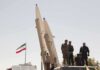

U.S. and Israeli militaries have drawn up post-election strike options on Iran’s nuclear and energy sites, according to reports anchored by an on-record White House timeline that rules out action only before November 3.
Story Snapshot
- Reports say U.S. and Israel prepared plans to resume strikes after midterms, with target sets in Iran.
- The White House said no U.S. attack would happen before November 3, leaving later action possible.
- Israel’s prime minister publicly denied specific claims about talks, creating a split in public messaging.
- Analysts note planning could serve pressure and deterrence even without a final strike order.
What New Reports Say About Post-Election Strike Planning
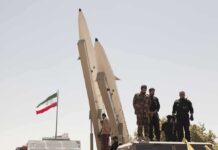
ABC News reported that two Israeli sources familiar with planning said the Israel Defense Forces and the United States military had prepared plans to renew strikes against Iran after the midterms. The report described target categories that include nuclear and petrochemical sites, while excluding civilian power plants. A related ABC live report added that President Trump had not approved a new operation at the time, which keeps any action contingent on his decision and developments on the ground.
The White House put a public line in the sand on timing. Spokesperson Anna Kelly said the United States would not attack Iran before the November 3 elections. That statement addressed only the pre-election window. It did not deny that post-election planning exists. Coverage from Christian Broadcasting Network echoed that the two countries were raising the chance of fresh action and repeated the White House’s timeline language.
How Officials Frame The Same Moment Differently
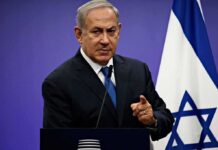
Israeli Prime Minister Benjamin Netanyahu denied reports that he and President Trump discussed renewed strikes, calling those accounts incorrect. His brief denial did not share details about the actual talks. That creates a split between anonymous-source reporting and a named denial. The competing narratives show how wartime messaging works. Officials often keep plans opaque for security and leverage, while media reports surface parts of the picture from sourced briefings.
Another layer is intent. National Public Radio reported that a person briefed on the planning said military moves might also pressure Iran toward a deal rather than signal a set plan to attack. That view fits with common statecraft. Militaries posture to deter attacks, shape talks, and prepare options. A plan on paper does not force action. The final call still rests with President Trump, according to the reporting.
Why Targets Matter: Nuclear And Energy Sites
Reported target sets focus on Iran’s nuclear and petrochemical facilities, as well as elements of its energy network, while excluding civilian power plants. Those choices aim to hit capacity that supports Iran’s weapons programs and cash flow. Targeting energy infrastructure can limit funds that Tehran uses to arm proxies. Leaving civilian power plants off the list signals an effort to avoid wider harm to the public. That line reflects standard rules that seek to limit civilian impact.
Israel-focused coverage summarized by Iran International said Israeli leaders pressed preparations for a larger campaign and described an earlier multi-day plan that did not proceed, reportedly due to political timing before the vote. That history shows planning can pause or pivot when leaders judge the risk too high for markets, allies, or domestic concerns. It also shows that allied coordination is real, even when operations wait on final approval.
What This Means For U.S. Voters And Energy Prices
Timing has a direct tie to oil prices and family budgets. Reports linked the delay to worries about market shocks during the election period. Iran’s energy sites sit at the center of its revenue. Any strike there could tighten supply and raise prices. That risk hits Americans at the pump and in power bills. The administration’s public timing line aims to keep markets steady before voting while holding options ready to protect U.S. interests after the election window closes.
Conservative Bottom Line: Strength With Clarity And Lawful Authority
The facts on the record point to prepared options, a public pause before November 3, and no final strike order yet. That balance lets President Trump keep pressure on Tehran while weighing costs, allies, and the law. Planning protects Americans and partners. Final action must be clear, lawful, and decisive if taken. Voters should watch for official signals after the midterms, including notices to Congress and visible force movements. Until then, deterrence and readiness carry the load.
Sources:
theamericanconservative.com, cbn.com, abcnews.com, iranintl.com, news.net