New York City says five government-owned groceries will sell key foods 30 percent cheaper, but funding, fairness, and market fallout now drive the fight.
Story Snapshot
- City pledges a 30 percent discount on a “core basket” at five municipal grocery stores.
- Officials say private operators will run the stores in city-owned, rent-free spaces.
- Small grocers warn taxpayer-subsidized prices could undercut neighborhood shops.
- Plan targets affordability; long-term costs and wider impact remain open questions.
What City Hall Announced And How It Would Work
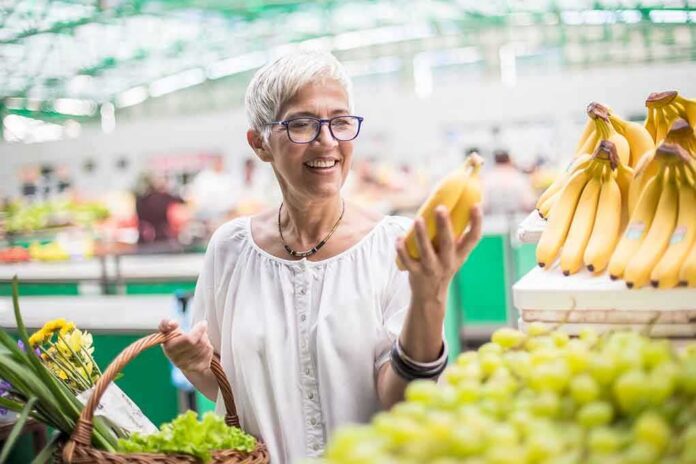
Mayor Zohran Mamdani’s team said five city-owned grocery stores will sell a “core basket” of everyday groceries at 30 percent below typical retail prices. The basket will include fresh produce, meat, seafood, and staple items like bread, milk, and eggs. Prices for this core set will be set once a month, and the discount will last the entire month. The administration said this design aims to give families predictable savings on basics as food costs continue to strain household budgets.
The city plans to own the stores and buildings but hire private operators to run them. Officials said the stores can charge less because they will operate in city-owned, rent-free spaces, avoid property taxes, and receive direct support for build-outs and logistics. Operators will be contractually required to pass savings on to shoppers through the discounted core basket. Other products outside the basket would sell at normal market prices to keep the stores functioning day to day.
Who Supports The Plan And What They Claim It Solves
Mamdani framed the stores as a direct response to high grocery prices in expensive neighborhoods. He argued the model targets essential foods that families buy most often, giving steady relief rather than limited-time sales. Supporters see the plan as a public tool to stabilize prices on staples without mandating caps across the whole market. Backers also say the approach could improve access in underserved areas where fresh food is scarce or overpriced, especially for working families.
Some analysts note the plan separates two questions. First, can these stores sell the defined basket at 30 percent off? Second, is this the best way to lower food costs citywide? The announcement and briefing address the first by laying out the subsidy and operating model. The second remains unsettled. The stores are few in number, and the long-term budget, scale, and ripple effects are not yet proven. That gap leaves room for debate about cost, reach, and durability.
Critics Warn About Market Distortion And Taxpayer Burden
Small grocers and bodega owners fear subsidized pricing will pull away customers and shrink already thin margins. Trade groups and some politicians argue the city is using public dollars to compete with private shops, risking closures in neighborhoods that rely on them. A lawsuit from supermarket and bodega owners has been discussed or filed in some coverage, reflecting worries about unfair competition and the lack of a full small-business impact study to date.
NYC Mayor Zohran Mamdani's administration is moving forward with five city-owned grocery stores, one per borough. Grocery prices will be priced 30% below typical retail, locked monthly. The city has allocated $70 million in capital funds from the taxpayer-funded budget to build… https://t.co/3MAn2yKnl3
— coltswalker (@coltswalker) August 3, 2026
Budget hawks question how long the city can fund 30 percent discounts without raising taxes or cutting other services. They warn that the discount looks like a quick win but could lock the city into ongoing costs. Economists in coverage also ask whether five stores can move the needle on affordability across a city of eight million people, or whether alternative tools, like food tax relief or targeted vouchers, might deliver broader impact with fewer side effects.
Why This Fight Resonates Beyond New York
This plan fits a larger pattern where governments step into retail to lower prices on basics, and critics warn of market harm. The proposal highlights a shared worry across left and right: rising costs, weak competition, and a system that often seems to serve the well-connected over regular people. New Yorkers will watch whether the promised discounts show up on shelves and whether the city can keep them going without squeezing taxpayers or crushing neighborhood stores.
Sources:
twitchy.com, nyc.gov, youtube.com, aljazeera.com, facebook.com, washingtonpost.com