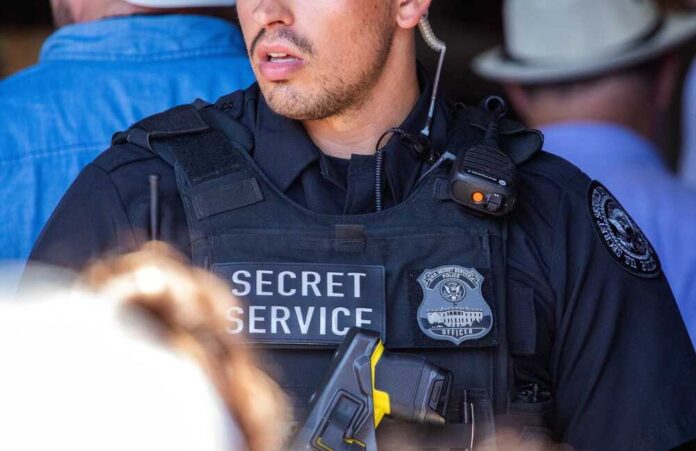
The Secret Service received a classified warning of a credible threat to Donald Trump ten days before the Butler rally, yet inexplicably failed to notify the agents responsible for his protection, resulting in a deadly shooting that shocked the nation.
At a Glance
- Senior Secret Service officials received a classified warning about a credible threat to Donald Trump ten days before the Butler rally, but failed to inform agents on the ground.
- The lapse led to the deadly shooting at the July 2024 campaign event, injuring Trump and killing firefighter Corey Comperatore.
- Resource failures plagued the security detail: drones were down, communication was fractured, and inexperience ran rampant on the advance team.
- Six Secret Service agents have been suspended, the director resigned, and Congress is demanding answers while the agency scrambles to implement reforms.
Classified Threat Ignored: Agents Left Blind
The Secret Service’s inner circle was warned—yet frontline agents were left exposed. A classified intelligence report flagged a clear and present danger to Donald Trump a full ten days before his fateful rally in Butler, Pennsylvania. Still, the critical information never reached the ground teams, forcing them to operate with a perilously incomplete security picture. The result? A lethal breach that ended in bloodshed.
The Pittsburgh field office’s leadership, the local advance team, and even municipal police were denied access to the alert. The site agent, shockingly inexperienced, was navigating her first major outdoor event—without any warning that an assassin could be in the crowd. The consequence was predictable and devastating: Trump was grazed by a bullet, firefighter Corey Comperatore was killed shielding his family, and two others were wounded before countersnipers neutralized the attacker.
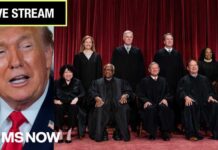
Watch a report: Trump Assassination Attempt: Inside the Secret Service Failure
Adding to the debacle, aerial surveillance was hamstrung. Drones assigned to monitor the area were either non-functional, diverted elsewhere, or operated by inadequately trained personnel. This cascade of incompetence, worsened by the Biden administration’s reported refusal to authorize heightened security resources, has fueled accusations of gross negligence—or worse, deliberate indifference to Trump’s safety.
Resignations, Suspensions, But Is It Enough?
Public outrage forced the agency’s leadership to respond—if only cosmetically. Secret Service Director Kimberly Cheatle resigned in disgrace ten days after the attack, replaced by Sean Curran, who now pledges systemic reforms. Meanwhile, six agents were slapped with suspensions ranging from 10 to 42 days, a disciplinary gesture that critics say barely scratches the surface of the dysfunction.
Congress swiftly convened inquiries. Senator Chuck Grassley’s office spearheaded a scathing Government Accountability Office report, labeling the agency a morass of mismanagement and complacency. In response, the Secret Service unveiled new initiatives: military-grade drone deployments, mobile command units, and an overhaul of field communication protocols aimed at closing the fatal information gaps exposed in Butler.
Yet skepticism abounds. Many see the reform promises as performative, pointing to past scandals and failures that were similarly met with assurances—and little else.
Public Trust Shattered, Nation Demands Answers
The Butler shooting didn’t merely threaten Trump’s life—it ruptured public faith in the institutions tasked with safeguarding democratic continuity. For many Americans, the horror of seeing a former president shot while his security detail stumbled felt like a grim harbinger of institutional decay.
On the first anniversary of the assassination attempt, the Secret Service touted its progress, but victims’ families and the broader public remain unconvinced. Despite official updates and new protocols, the central question lingers: will intelligence silos and bureaucratic inertia doom the next high-profile target?
The stakes could not be higher. The nation watches, wary and impatient, demanding not just procedural tweaks but a fundamental transformation in how America protects its leaders—and itself.