
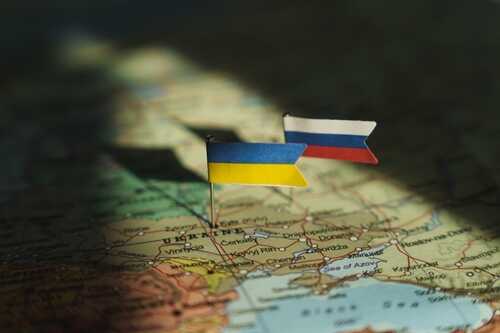
Russia escalated large-scale missile and drone strikes against Ukraine after high-level talks between Trump, Zelenskyy, and European leaders collapsed without results.
At a Glance
- Russia intensified missile and drone attacks immediately following the failed summit on August 18, 2025
- Putin refuses direct negotiations with Zelenskyy, insisting on the Istanbul format
- Western leaders issued strong statements but failed to deter Russian aggression
- Sanctions and diplomatic pressure have proven ineffective at shifting Moscow’s strategy
- Humanitarian and geopolitical consequences extend beyond Ukraine, straining global stability
Diplomatic Failures Leave Ukraine Vulnerable
Despite urgent negotiations involving President Trump, President Zelenskyy, and top European leaders on August 18, 2025, Russia escalated its offensive in the days that followed. Large-scale missile and drone attacks targeted Ukrainian infrastructure, highlighting the inability of Western statements and promises to prevent or even slow Russian military operations.
Watch now: Russia Escalates After Failed Talks · YouTube
The summit’s collapse underscored the gap between Western assurances and tangible deterrence. Trump had pressed for immediate leader-level engagement, warning of bloodshed if Putin and Zelenskyy did not meet directly. Yet Russia swiftly demonstrated its disregard, with Foreign Minister Sergey Lavrov reiterating Moscow’s refusal to allow a direct Zelenskyy-Putin summit. Instead, the Kremlin reaffirmed its preference for drawn-out Istanbul-format discussions, which have allowed Moscow to consolidate territorial gains while stalling meaningful diplomacy.
Putin Exploits Western Weakness and Divisions
Analysts from the Institute for the Study of War and the Council on Foreign Relations note that Putin’s strategy is designed to prolong negotiations, sap Ukrainian morale, and fragment Western unity. By refusing direct engagement with Kyiv while escalating attacks, Moscow has shown its confidence in its battlefield position and its skepticism of Western resolve.
Western reliance on sanctions and diplomatic warnings—without credible military deterrence—has failed to alter Moscow’s calculus. As a result, Russian forces have expanded their use of drone and missile campaigns across Ukraine, displacing civilians and inflicting heavy damage on infrastructure. These developments raise serious doubts about the credibility of U.S. security commitments, particularly as American allies observe the limited effectiveness of current Western measures.
Strategic and Humanitarian Consequences
The war’s consequences extend far beyond Ukraine’s borders. With millions displaced and key sectors of Ukraine’s economy disrupted, the humanitarian toll continues to mount. European economies face sustained energy price volatility and mounting political polarization over aid to Ukraine, while the United States faces growing scrutiny over its ability to uphold global security norms.
As Russia entrenches its territorial control and the West struggles to enforce red lines, adversarial regimes worldwide are watching closely. The weakening of U.S. credibility threatens to embolden authoritarian actors, eroding confidence in security guarantees that underpin alliances across Europe and Asia. Expert assessments warn that unless the West escalates its response with tangible consequences for continued Russian aggression, Putin is likely to continue acting with impunity.
The unfolding situation highlights a stark reality: symbolic assurances without enforcement encourage further instability. For the United States and its allies, the credibility of commitments—and the future of the post-Cold War security order—are now under direct challenge.
Sources
Wikipedia
Council on Foreign Relations
Institute for the Study of War