Democrats are keeping DHS funding locked behind demands that would redefine how immigration enforcement works—and the Trump White House just put its offer in writing for the public to judge.
Story Snapshot
- The partial government shutdown has stretched close to five weeks, with DHS operations and TSA staffing increasingly strained.
- On March 17, 2026, the White House publicly released a DHS funding proposal letter outlining specific policy concessions.
- The administration offered to codify items like body cameras for immigration agents, limits on “sensitive locations,” detention oversight, and officer ID rules—with exceptions.
- Senate Democrats, led by Chuck Schumer, rejected the offer and pressed for warrant requirements, visible identification, and a mask prohibition for federal agents.
White House Goes Public With Its DHS Offer as Shutdown Drags On
Washington’s stalemate took a more transparent turn on March 17, when the Trump administration released a formal letter detailing what it would accept to restore Department of Homeland Security funding. The shutdown, now nearing five weeks, has created visible pressure points—especially at TSA, where staffing shortages have translated into longer airport lines. The White House move effectively challenged Democrats to respond to a concrete proposal instead of vague talking points.
The administration framed the disclosure as a good-faith attempt to end the impasse after Democrats criticized earlier discussions as unserious. The public letter also changed the political dynamics by letting voters see the specific tradeoffs under debate. House Republicans have wanted the White House to show negotiating movement, while the administration’s opponents have leaned hard on civil-liberties rhetoric as justification for withholding funding tied to homeland security functions.
What Trump Offered to Codify: Cameras, Sensitive Locations, and Oversight
The March 17 proposal offered to codify five policy changes inside DHS. The list included expanding body cameras for federal immigration agents, limiting enforcement in “sensitive locations” such as hospitals and schools while keeping carve-outs for national security and public safety, and increasing oversight of DHS detention facilities. The offer also included officer identification requirements with exceptions for undercover work, plus explicit adherence to existing law barring the detention or deportation of U.S. citizens.
Substantively, the offer tried to meet Democrats where they claim to be most concerned—accountability and guardrails—without adopting rules the administration argues would cripple enforcement. Body cameras and facility oversight are concrete compliance mechanisms that can be written into policy and reviewed later. The “sensitive locations” approach similarly creates a general limit while keeping exceptions for serious threats, signaling that the administration is balancing enforcement with operational realities rather than accepting blanket restrictions.
Democrats’ Non-Negotiables: Warrants, Masks, and Identification Visibility
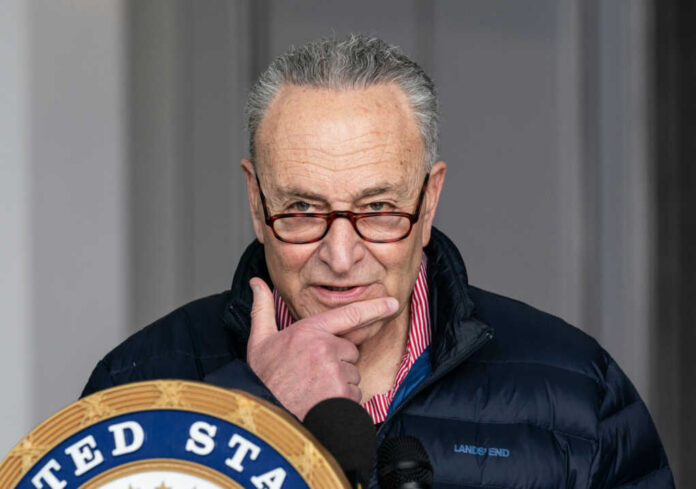
Senate Minority Leader Chuck Schumer rejected the proposal as insufficient, saying Democrats were trying to move “a little bit” but the White House needed to “get serious.” Democrats singled out three demands the proposal did not satisfy: judicial warrants before entering private property, officer identification visibility requirements, and a prohibition on federal agents wearing masks. Schumer described these as “key issues” where the administration had not budged, keeping the shutdown pressure in place.
The Enforcement vs. Civil Liberties Clash—and What’s Missing From the Record
The White House countered that Democrats’ demands would make it harder to protect Americans from dangerous criminal aliens and could expose law enforcement officers and their families to increased threats of violence. That argument goes directly to a core tradeoff: enforcement effectiveness and officer safety versus stricter procedural limits. It does not include detailed expert analysis from civil-liberties groups or law-enforcement associations, so voters are mostly hearing arguments from political leaders rather than independent assessments.
Operational Fallout: TSA Delays and DHS Readiness Become Leverage Points
The shutdown’s most tangible impact has shown up at airports, where TSA staffing shortages have contributed to longer wait times and disruptions for travelers. Separately, House Homeland Security Chair Andrew Garbarino warned that the funding lapse is degrading DHS preparedness. These real-world effects create leverage and risk for both parties: Democrats face backlash for prolonging dysfunction, while the administration faces mounting pressure to resolve disruptions that touch millions of Americans and implicate basic homeland security readiness.
Complicating matters, Trump has also pressed an ultimatum that Republicans pass the SAVE America Act before he will sign any bills, adding another bottleneck to already fragile negotiations. As of March 17, there were no plans for Trump to meet directly with Schumer, and Border Czar Tom Homan was designated to continue policy talks. With positions hardened, the next phase likely turns on whether either side recalculates the political cost of airport chaos and security uncertainty.
Sources:
White House Releases DHS Funding Offer in Response to Government Shutdown Impasse
Republicans face new Trump ultimatum
Democrat DHS Shutdown Undermines Homeland Security At Critical Moment