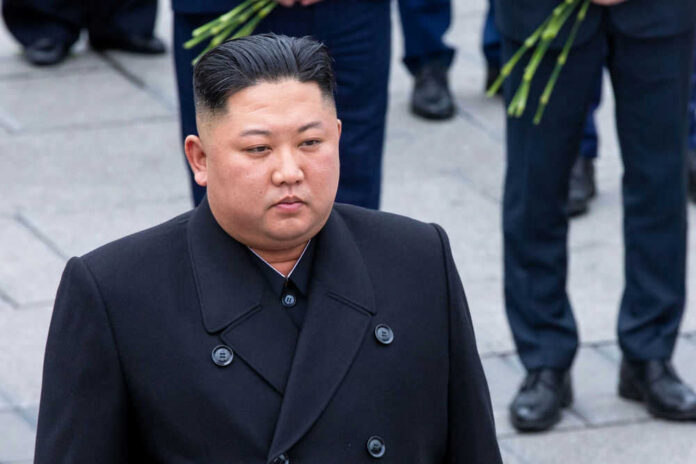
Kim Jong Un’s vow to massively expand North Korea’s nuclear arsenal creates a dangerous “fog of war” that threatens American allies and could trigger catastrophic miscalculation on the Korean Peninsula.
Story Snapshot
- Kim Jong Un announced plans to expand nuclear warheads, ICBMs, AI-powered attack systems, and anti-satellite weapons at February 2026 Workers’ Party Congress
- North Korea labels South Korea the “most hostile enemy” while demanding U.S. policy changes before resuming diplomacy
- Regime’s opacity about capabilities and intentions amplifies risk of miscalculation as missile tests accelerate
- China and Russia enable North Korean sanctions evasion by blocking UN action, undermining global non-proliferation efforts
Kim’s Belligerent Nuclear Expansion Plans
Kim Jong Un concluded the Ninth Workers’ Party Congress on February 25, 2026, with defiant pledges to “further expand and strengthen our national nuclear power.” The dictator unveiled ambitious plans for more warheads, advanced intercontinental ballistic missiles including submarine-launched variants, AI-driven attack systems, drones, and anti-satellite weapons. This represents a dangerous escalation that directly threatens American interests and regional stability. Kim’s speech, reported February 26 via state media, makes clear the regime prioritizes nuclear buildup over any meaningful diplomacy, creating an unpredictable environment where intentions remain deliberately obscured.
Rejecting South Korea While Eyeing Washington
Kim’s rhetoric toward South Korea reached alarming levels, declaring the nation “the most hostile enemy” and stating “South Korea’s complete collapse cannot be ruled out.” The regime completely ruled out dialogue with Seoul while signaling conditional openness to talks with the Trump administration if Washington shifts its policy approach. This dual-track posture creates confusion about North Korea’s true diplomatic intentions. Experts including Rachel Minyoung Lee from the Stimson Center warn Kim’s threats “cannot be taken lightly” given the regime’s focus on tactical nuclear weapons specifically designed to target South Korean positions, putting millions of lives at risk.
Arsenal Growth Despite Sanctions
North Korea’s nuclear program has accelerated dramatically despite international sanctions, with approximately 50 warheads and fissile material for 40 more according to 2025 Stockholm International Peace Research Institute estimates. The regime successfully completed most objectives from its 2021-2025 five-year weapons development plan, which targeted 13 new nuclear and missile systems. Recent missile tests in January 2026, including launches on January 4 and January 27, demonstrate continued advancement of capabilities. The Punggye-ri nuclear test site remains ready for operations, and ongoing uranium enrichment violates UN Security Council resolutions. This represents complete defiance of international law and norms that previous administrations failed to address effectively.
China and Russia Enable Nuclear Rogue State
Beijing and Moscow bear significant responsibility for North Korea’s emboldened nuclear expansion by systematically blocking UN Security Council action and enabling sanctions evasion. Russia has effectively accepted North Korea’s nuclear status while receiving military support for operations in Ukraine, creating a dangerous quid pro quo that undermines global security. China continues providing economic lifelines that prevent meaningful pressure on Pyongyang. This paralysis at the UN allows the Kim regime to operate with impunity, setting dangerous precedents that could encourage nuclear proliferation in other nations including South Korea and Saudi Arabia. The Trump administration faces the challenge of confronting these enabling powers while managing the direct North Korean threat.
The “fog of nuclear war” surrounding North Korea’s capabilities and intentions creates heightened miscalculation risks that demand clear-eyed American leadership. With the regime integrating AI systems and developing nuclear-powered submarines capable of launching ballistic missiles, the technological sophistication adds layers of complexity to deterrence strategies. President Trump’s potential diplomatic outreach must proceed from a position of strength, recognizing that past administrations’ approaches failed to halt nuclear advancement. American commitment to defending South Korea and maintaining regional stability remains essential, even as allies consider their own nuclear options in response to the growing threat.
Sources:
North Korea’s Kim promises more nuclear weapons as congress closes with military parade – TBS News
The Risk of Nuclear Proliferation in 2026 – Just Security
DPRK (North Korea) – Security Council Report
Korean Peninsula Update: February 17, 2026 – Institute for the Study of War
Korean Peninsula Update: February 17, 2026 – American Enterprise Institute
Assessing North Korea’s Five-Year Effort to Develop 13 New Nuclear and Missile Systems – 38 North
North Korea Conducts First Missile Launch of 2026 Into Sea of Japan – USNI News
North Korea’s Nuclear Weapons and Missile Programs – Congressional Research Service