President Trump has pledged to boost US troop levels in Poland while warning of new sanctions against Russia, signaling a harder line on Eastern European security and widening rifts with EU allies.
At a Glance
- Trump vows more US troops in Poland, currently home to about 8,000 American soldiers
- Polish President Karol Nawrocki backs stronger US ties, clashing with pro-EU Prime Minister Donald Tusk
- Coalition talks with Ukraine and Europe set for September 4 to address Russia’s war strategy
- Washington weighs additional sanctions on Moscow following tariffs tied to Russian oil trade
Trump’s Security Pledge in Eastern Europe
At the White House on September 3, President Trump declared Washington’s readiness to reinforce Poland’s defenses with additional American troops, stating that the US would “help Poland protect itself.” Nawrocki, Poland’s new president and a close Trump ally, made his first overseas visit to Washington for the announcement. Roughly 8,000 US soldiers are currently stationed in Poland, a presence built up since Russia’s 2014 annexation of Crimea and reinforced after the 2022 invasion of Ukraine.
Watch now: Trump vows to maintain a strong US military presence in Poland
Military analysts view the renewed commitment as a clear deterrent against Moscow and a reassurance to NATO’s eastern flank. The Pentagon has confirmed that no force reductions in Poland are planned, signaling its continued role as a key forward operating base against Russian advances.
Poland’s Internal Divide and NATO Cohesion
The Trump-Nawrocki partnership marks a significant alignment, but it also exposes deep divides within Poland. Nawrocki champions closer bilateral ties with Washington, while Prime Minister Donald Tusk stresses integration with the European Union. Their competing visions sharpen questions of national sovereignty and complicate NATO’s broader unity.
Domestically, Nawrocki’s stance could strengthen Poland’s leverage in regional defense and elevate his political clout. Yet, analysts caution that bypassing EU frameworks risks fracturing consensus within NATO, where cohesion among allies remains critical as Russia’s war in Ukraine drags on. The Poland-EU-US triangle is now a defining test of alliance politics.
Raising the Pressure on Russia
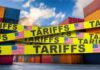
Beyond troop movements, Trump is weighing additional sanctions on Russia. The administration recently hit India with tariffs tied to Russian oil purchases and is reviewing new measures targeting Moscow’s energy trade and financial sectors. These steps are designed to choke Russian revenues while maintaining pressure during ongoing coalition security talks.
The upcoming September 4 discussions with Ukrainian President Volodymyr Zelenskiy and European leaders are expected to reinforce Ukraine’s defense guarantees. Officials say Trump’s strategy aims to blend military deterrence with economic pressure, making clear that Russia will pay a mounting cost for prolonging its war.
Meanwhile, the American presence in Poland has ripple effects: local communities feel the economic strain of refugee flows from Ukraine and rising defense needs, while US troops and families face extended deployments. For Washington, however, the political message is unambiguous—Eastern Europe remains central to US security planning, with Poland firmly at the front line.
Sources
Reuters
Bloomberg
Associated Press