
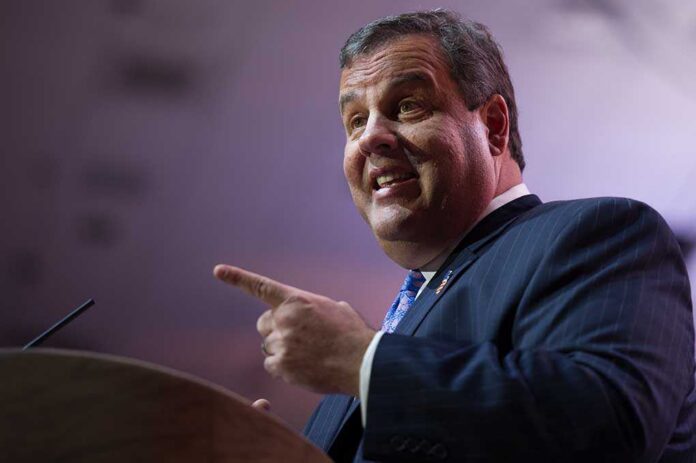
Chris Christie urged aides to quit over Jared Kushner’s Ukraine remarks, escalating a public rift inside a high-stakes peace effort.
Story Highlights
- Chris Christie called for resignations over Kushner’s comments praising Vladimir Putin’s “restraint.”
- Jared Kushner said Putin agreed not to use nuclear weapons and sought a reset with America.
- Kushner tied his remarks to ongoing U.S.-led talks on ceasefires and security guarantees.
- The record shows criticism and context, but not a change in official U.S. policy.
Christie’s Call Puts Heat on Trump Team’s Ukraine Negotiators
Chris Christie posted that any official tied to Jared Kushner’s Ukraine policy should “resign in protest.” He reacted to Kushner’s interview comments about Russian President Vladimir Putin and nuclear restraint. Christie framed the remarks as unacceptable for anyone serving in U.S. foreign policy. His demand landed during active work to end the war, which raises pressure on the peace team and invites fresh media fire. The post did not cite a legal or policy breach.
Kushner’s words came in a recorded interview that drew wide attention. Christie seized on them to argue that the tone toward Moscow was too soft. His message targeted aides who support the talks and those who brief allies. That kind of pressure can rattle a delicate process. It also shifts focus from terms on the table to a debate over phrasing, signaling, and respect for American strength. The post shaped a day of headlines.
What Kushner Actually Said About Putin and Nuclear “Restraint”
Jared Kushner said Putin had shown restraint by not using nuclear weapons and had agreed that such use was off the table. He added that Putin wanted peace and a chance to change relations with the United States. He also described Putin as a major political figure. Those points drew criticism at home and in Europe. Supporters note he was addressing nuclear risk, not praising the invasion. The clips spread quickly and fueled backlash.
Kushner paired the nuclear point with pressure for a ceasefire and a settlement that stops future wars. He said negotiators pushed for a ceasefire, but Putin did not seem interested as a first step. He discussed ideas about territory, security guarantees, and a package that would stop the killing. That framing cast the United States as a broker trying to lower risk and build terms for peace. It was not a sign of surrender or trust in Moscow’s goodwill.
Active Peace Track: Talks, Terms, and Limits of the Record
Public reports state Kushner and real estate developer Steve Witkoff have been involved in efforts to end the war. The talks have included issues such as ceasefires, control on the ground, and security assurances to keep any deal from collapsing. Those details matter because they show the context for the interview that sparked the dispute. The record does not include released negotiation minutes or final U.S. directives at this stage.
The available sources do not show that Kushner’s comments changed U.S. policy. They do not show orders to staff to echo his language. They also do not identify aides who considered resigning or were told to accept a new line. The evidence supports that Christie criticized Kushner and called for resignations. It supports that Kushner tied his remarks to nuclear risk management within an active peace push. It stops short of proving a policy shift.
How Conservatives Should Read the Fight: Strength With Clarity
Conservatives want a strong America that keeps peace through power. They also want plain talk that does not excuse enemies. Kushner’s nuclear point can be read as hard-nosed risk control, while Christie hears moral fog. Both views reflect a real tension in diplomacy. Clear lines help allies and deter foes. Loose praise can blur those lines and undercut leverage. The lesson is simple: avoid flattery, keep focus on victory terms, and protect U.S. credibility.
This flap also shows how media framing can swamp substance. A single phrase can eclipse work on ceasefires, borders, and guarantees. That helps critics but can hurt talks. The right answer is sunlight and discipline. The administration can brief Congress on core aims and stick to tight language. It can keep pressure on Russia while building a deal that ends the killing and blocks a new war. Peace comes from strength and clear terms, not vibes.
Sources:
mediaite.com, yahoo.com, sozai.app