President Trump is barnstorming Nebraska to boost Sen. Pete Ricketts in a closely watched Senate race that could decide who sets the agenda in Washington.
Story Snapshot
- Trump scheduled a formal campaign rally in Grand Island to back Sen. Pete Ricketts against independent Dan Osborn.
- Ricketts said Trump came to help him win reelection, underscoring the stop’s turnout focus.
- Event details showed a planned, high-energy push with a set venue and timeline.
- National outlets framed the visit as part of Trump’s 32-day midterm sprint in competitive red states.
Trump Targets Nebraska’s High-Stakes Senate Contest
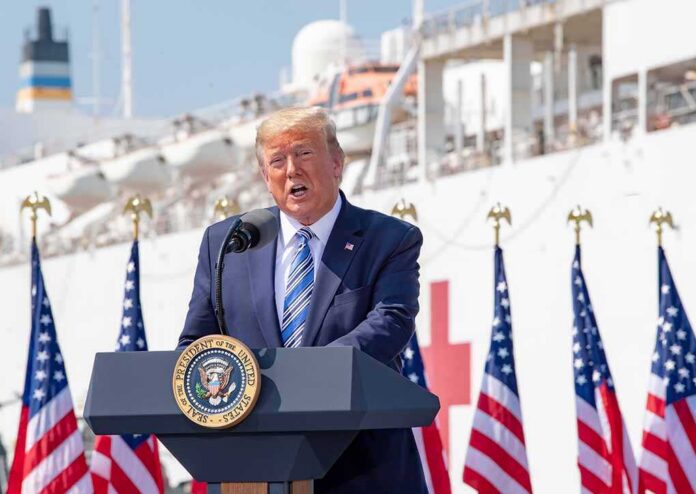
President Trump traveled to Grand Island, Nebraska, on Monday, October 5, to campaign with Republican U.S. Senator Pete Ricketts in a midterm rally spotlighting a competitive Senate race. The Associated Press reported the visit as part of Trump’s continuing midterm push, with Ricketts on stage and on message beside him. Multiple outlets identified the stop as a formal rally backing Ricketts against independent challenger Dan Osborn, placing national attention on a red-state seat now drawing intense focus.
Senator Ricketts stated plainly why the president came: to help him secure reelection in November. That direct appeal matched the event’s design. Organizers announced the venue and timeline in advance, signaling a turnout operation, not a drop-by visit. Coverage listed the Pinnacle Bank Expo Center at Fonner Park as the site, with doors opening mid-afternoon and Trump slated for early evening remarks, creating a clear schedule for supporters across the region.
Rally Logistics Signal Organized Turnout Push
Local and national reports detailed a tight program: doors opening around mid-afternoon, program launch late afternoon, and the president’s remarks in the early evening window. That structure supports the campaign’s goal to pack the hall and energize volunteers before Election Day. Such planning also helps rural voters who travel long distances. The clear logistics underscore a broader mobilization effort to shore up a seat that Republicans have long held but now see as hotly contested.
Reuters described the Nebraska rally as part of Trump’s 32-day sprint to the November 3 midterms, a red-state strategy to rally Republicans and spotlight his economic record. That framing places Grand Island within a national map of targeted stops designed to lock down base voters and prevent late slippage. The attention reflects how independent bids can disrupt typical party signals and force both sides to work harder to define stakes and values before ballots are cast.
Why This Stop Matters to Conservative Voters
The race features independent Dan Osborn challenging Senator Ricketts, complicating the usual Republican versus Democrat story lines that voters recognize at a glance. Published coverage identified the contest as competitive or closely watched, which explains a presidential visit to a deep-red state seat that might otherwise draw less national focus. For conservatives, keeping this seat means holding the line on judges, borders, energy policy, and the economy—all issues that shape families’ daily costs and freedoms.
Townhall and other outlets reported that the rally formed part of a broader turnout push by the president to defend key seats and motivate core voters. That effort fits a familiar pattern late in the cycle: use high-visibility stops to lift energy, drive media coverage, and cement contrasts. While the sources reviewed emphasize pre-event reporting, they consistently agree on the rally’s purpose, schedule, and pairing with Ricketts in Grand Island to strengthen the Republican path in November.
Economic Backdrop and Campaign Messaging
Advance reporting tied the Nebraska stop to pocketbook concerns that hit farm, ranch, and trucking families hard, from energy prices to supply costs. Reuters noted Trump’s plan to promote his economic record while campaigning in the state, pointing to kitchen-table stakes that matter across the Heartland. Those themes align with conservative goals: lower costs, strong domestic production, secure borders, and a federal government that serves citizens rather than growing itself at their expense.
The Nebraska visit also underscores the rising use of presidential travel as turnout infrastructure. The clear schedule, local coordination, and message discipline are designed to guide supporters from rally attendance to ballot casting. That approach is especially useful when an independent candidacy blurs party lines and risks confusing casual voters. The campaign’s choice of Grand Island—central, accessible, and symbolic—signals a commitment to rally the base and protect a seat crucial to advancing a conservative agenda.
Sources:
townhall.com, abcnews.com, apnews.com, reuters.com, mccookgazette.com, cnn.com, abcnews4.com, ketv.com, ruralradio.com, thehill.com