A small but vocal activist movement is urging Americans to withhold federal income taxes—testing whether “civil disobedience” can overpower the rule of law that keeps the country functioning.
Quick Take
- Reports describe an organized effort to withhold federal income taxes as a protest tied to U.S. policy toward Israel’s war in Gaza during the Biden years.
- The National War Tax Resistance Coordinating Committee (NWTRCC) is portrayed as a key hub, with estimates of roughly 10,000 active participants and rising interest after October 2023.
- Advocates encourage tactics like partial nonpayment and sending protest letters to the IRS, arguing enforcement risk is limited due to agency backlogs.
- Separate reporting highlights broader tax-system strain and political tension, including debates over IRS enforcement and changes affecting gig-economy reporting.
What the “war tax resistance” campaign claims it is doing
Reporting on the movement describes Americans deliberately withholding some or all of what they owe in federal income taxes as a protest against Biden-era weapons support for Israel during the Gaza war. Organizers and participants frame the act as conscience-driven resistance rather than ordinary tax avoidance, sometimes filing returns on paper and attaching letters that explain their refusal. Plans for “redirection” events, where withheld funds are pledged to community causes, are also described.
NWTRCC figures cited in the reporting estimate around 10,000 active resisters, with interest accelerating after October 2023. The article also describes a mix of long-time activists and first-time resisters, including younger participants, who say they feel boxed into extreme tactics because conventional protest did not change federal policy. The sources do not provide a government-verified count of participants or a verified total dollar amount withheld nationwide.
Why this matters to constitutional order and everyday taxpayers
Federal tax compliance is not a symbolic nicety; it is a legal obligation that underpins national defense, infrastructure, and basic government operations. Even when a protest is framed as moral objection, withholding taxes shifts costs onto compliant citizens and invites selective obedience to law—an approach conservatives have long warned can be weaponized across issues. The reporting emphasizes that this is intentional noncompliance, promoted as a strategy to “gum up” enforcement systems.
That point intersects with a reality many Americans already feel: the system is strained, confusing, and increasingly politicized. Separate coverage and commentary referenced in the research notes that a large share of Americans pay no federal income tax in some years due to credits and deductions, while others shoulder most of the income-tax burden. When trust in competence and fairness drops, even small organized refusals can become a flashpoint for broader civic instability.
IRS capacity, enforcement risk, and the limits of what’s known
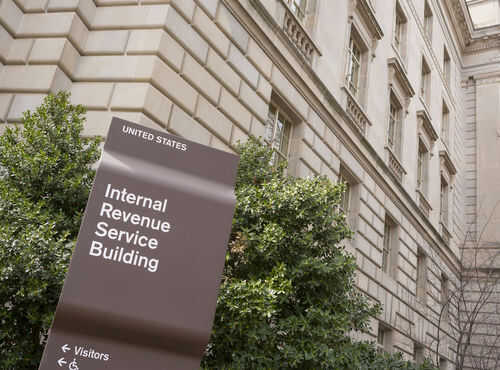
Advocates highlighted in the reporting argue that IRS backlogs and administrative overload reduce the likelihood of swift penalties for resisters, and they encourage scaling participation to make enforcement harder. That claim is plausible in the narrow sense that backlogs exist, but the available research does not provide definitive, current enforcement data for this specific protest wave—no comprehensive audit-rate figures tied to these tactics and no official IRS response addressing the movement directly.
What is documented in the research is a separate stream of tax-policy tension: debates over IRS enforcement posture and changing reporting thresholds affecting third-party payment platforms used by gig workers and small sellers. Those changes, while not the same as protest withholding, amplify public anxiety that the government can tighten scrutiny on ordinary people quickly, even while activists publicly discuss intentional nonpayment as a political tool.
Political fallout in the Trump era: accountability versus activism
With President Trump now back in office in 2026, this Biden-era protest campaign lands in a different political environment—one where many voters demanded tighter borders, less ideological governance, and more accountability for bureaucracies that felt out of control. The research provided centers on actions during the Biden years, so it does not establish any new Trump administration response to this tax-withholding campaign or any updated federal policy changes tied to it.
BILL MAHER GOT HIS WAY!!!
"AMERICANS WITHHOLDING INCOME TAX TO PROTEST PRESIDENT"…….https://t.co/WPSsLczga2
— LukeSlyTalker (@Terence57084100) March 11, 2026
Still, the underlying question remains urgent for conservatives: will federal authorities apply the law consistently, or will political narratives shape enforcement? The sources emphasize moral arguments and organizing strategy, but they do not show a clear, measured analysis of downstream effects on compliant taxpayers, nor do they document a bipartisan consensus for how to handle organized tax refusal.
Sources:
https://www.thenation.com/article/world/these-americans-wont-pay-for-the-war-on-gaza/