
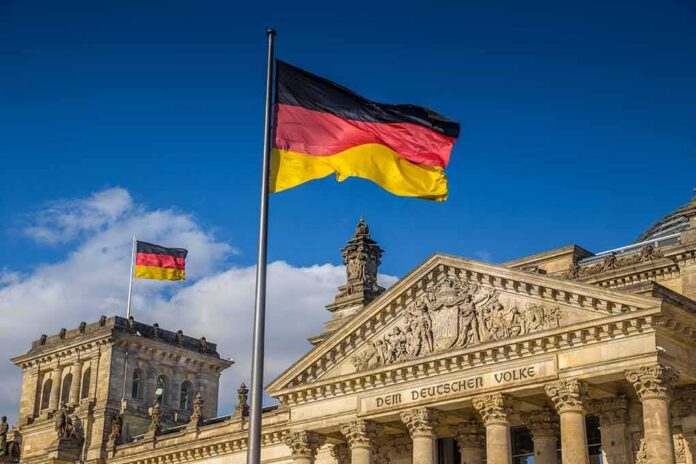
Germany’s interior minister says “clearly identifiable” terror attack plans exist now, and the country has raised its threat level to high.
Story Highlights
- Germany elevated its terror threat to high, warning attacks could occur at any time.
- Officials cite clear attack plans and foreign intelligence recruiting operatives for a bomb plot.
- This marks a break from years of an “abstract” threat assessment in Germany.
- Analysts tie the rise to post–October 7 Islamist radicalization trends in Europe.
Germany Formally Raises Threat Level After Specific Plot Warnings
Germany raised its terror threat from abstract to high after leaders said active plots are underway. Interior Minister Alexander Dobrindt said plans for attacks are clearly identifiable and that a foreign service recruited operatives on German soil for a bomb plot. He warned the risk of attacks must be expected at any time, including against infrastructure and people. German media described this as a first in postwar history for “high” at the national level.
Bloomberg reported the shift came as the government prepares broader powers for intelligence services. Leaders cited a spike in reporting and new intelligence that changed the picture. The move followed weeks of warnings from the domestic security office about increased risk tied to global tensions and online radicalization. Officials framed the change as a public signal to heighten vigilance and help police deploy resources faster across crowded sites and transport hubs.
Why The Risk Jumped: Clear Plots And A Broader Islamist Threat
Reuters quoted Dobrindt saying attack plans are clearly discernible, pointing to bombs as a method and stressing potential targets across the country. He referenced attempts to recruit operatives by a foreign service, indicating active direction rather than lone chatter. Earlier briefings from Germany’s domestic intelligence office highlighted a rise in Islamist terror risk since the Middle East war reignited in 2023, raising concern for Jewish sites and the West at large.
Counterterror researchers say Germany has faced a steady Islamist threat for years, fueled by online propaganda and small cells. West Point’s Combating Terrorism Center reported growing radicalization of young offenders and online inspiration since 2020. That trend accelerated after October 7, giving extremists new narratives to recruit and justify violence. This context helps explain why officials moved from a long “abstract” stance to a direct, time-sensitive warning now.
A Break With Years Of “Abstract” Alerts In Europe’s Heart
For years, German authorities used the term abstract to describe a known risk without urgent signals. Outlets now note the government’s use of high marks a sharp shift and a rare national step. Past incidents forced security reviews, including the 2016 Berlin Christmas market attack, which exposed gaps in monitoring high-risk individuals. Analysts say the current warning reflects both specific plotting and a broader environment where flashpoint events can trigger quick action by small networks.
Data snapshots align with the concern. Germany’s terrorism index rose notably in 2024 before easing slightly, reflecting a volatile threat picture across Europe. The United Kingdom’s travel advisory has for years told citizens terrorists are very likely to try attacks in Germany, underscoring a standing baseline concern. Today’s high alert suggests authorities see pre-operational steps by suspects, not only online talk or ideology alone.
What This Means For Americans, Allies, And Civil Liberties
American travelers and companies in Germany should review security plans. Authorities may increase patrols at airports, rail hubs, events, and energy sites. Temporary checks, bag screenings, and road closures could expand. For Washington and Berlin, intelligence sharing will likely intensify to track cross-border operatives and financing. The United States has long warned about global terror risks, and a partner like Germany moving to high will sharpen joint watch lists and faster action on tips.
‼️‼️🇩🇪🇮🇱 BIG | Germany’s economic and political heartland has just been forced onto a wartime footing—as Berlin detonates a national security alarm over an imminent, highly credible threat of sabotage and terror.
According to urgent reports from Reuters, the German government… pic.twitter.com/3Hli5Gui8E
— Visioner (@visionergeo) July 18, 2026
German leaders signaled that expanded intelligence powers are on the table. Past cycles show that new laws can follow major threat spikes, aiming to stop attackers earlier. That debate often weighs speed against privacy. The British Broadcasting Corporation has covered earlier German pushes for more tools, from more officers to stronger data access. Officials now argue that credible plots demand faster disruption, while courts and lawmakers work to protect civil freedoms.
Bottom Line For U.S. Readers
Germany’s step matters because it signals more than fear. Leaders say there are active plans, recruited operatives, and possible bomb plots. That is why the alert is now high, not abstract. For Americans, this is a reminder that global terror networks probe for soft targets in the West. Vigilance, border control, and strong intelligence ties protect families at home and abroad. Clear eyes and strong tools stop bad actors before they strike.
Sources:
feedpress.me, easternherald.com, bloomberg.com, morgenpost.de, dw.com, state.gov, un.org, statbase.org