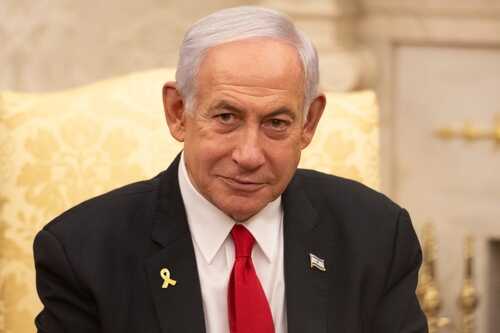
Israeli Prime Minister Benjamin Netanyahu has defended a planned military offensive in Gaza, asserting its aim is liberation—not occupation—while accusing critics of waging a “global campaign of lies.”
At a Glance
- Netanyahu framed the offensive as necessary to defeat Hamas and restore security, not to occupy Gaza permanently
- He outlined intentions to demilitarize Gaza, establish overriding security control, and replace Hamas with a non-Israeli civilian administration
- Netanyahu blamed international criticism on a “campaign of lies” and criticized Germany for halting military exports amid backlash
- Reports indicate over 60,000 Palestinians killed, including 100 children from malnutrition, and at least 26 people killed while seeking food aid
- The offensive sparked protests in Israel and prompted emergency UN Security Council meetings
Context and Statements
On August 10, 2025, speaking in Jerusalem ahead of a UN Security Council meeting, Netanyahu insisted that Israel’s military goal is to “free Gaza,” not occupy it, justifying the offensive as essential for defeating Hamas and ending the war swiftly.
Watch now: Netanyahu defends Israel’s plan to take over Gaza City, calling it “best way” to end war · YouTube
He described international criticism as a “global campaign of lies” and rebuked Germany for suspending arms exports in response to the plan. Netanyahu also pledged to allow more foreign journalists into Gaza to increase transparency.
The stated strategic objectives include demilitarizing Gaza, maintaining Israeli security control, and transferring civilian governance to non-Israeli authorities within a “fairly short timetable” he did not specify.
Fallout and Humanitarian Consequences
Humanitarian conditions in Gaza remain severe. Gaza’s Health Ministry reports over 61,000 deaths, nearly half of them women and children, with 100 child deaths linked to malnutrition. At least 26 people were fatally shot while attempting to access food aid.
Inside Israel, the plan has fueled domestic unrest. Tens of thousands have protested in the streets, while families of hostages have gone on strike, demanding their release be prioritized before further military escalation.
Strategic and Ethical Concerns
Several former Israeli military and intelligence officials have urged an end to the war, warning that the planned offensive risks deepening the conflict and worsening civilian harm. Netanyahu, however, denied claims of famine in Gaza, labeling them a “Hamas libel,” and appealed to the Red Cross for assistance to remaining hostages.
International responses remain divided. The UN and several European nations have warned that the offensive could significantly exacerbate the humanitarian crisis and undermine regional stability.
Summary
Netanyahu portrays the Gaza offensive as a liberation effort aimed at defeating Hamas and securing Israel’s safety. Yet the high casualty count, internal protests, and mounting international criticism underscore the deep divide between the stated objectives and the humanitarian and political costs.
Sources
Associated Press
The Guardian
Time
AP News