A resurfaced quote and deleted posts put Michigan Democrat Abdul El-Sayed on defense over 9/11 as the race nears the 25-year mark.
Story Highlights
- El-Sayed’s 2021 podcast said post-9/11 actions “scarred millions,” fueling criticism.
- CBS reported he deleted posts tying 9/11 to faith and to later war deaths.
- El-Sayed says 9/11 was a “terrible attack” and denies justifying it.
- Campaign says older posts were removed to avoid “out of context” use.
What Set Off The Clash
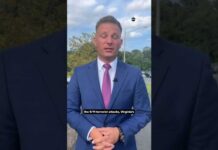
Candidates for Michigan’s United States Senate seat are trading shots over how they talk about 9/11. Abdul El-Sayed faces heat for a 2021 podcast line: “9/11 scarred our country in profound ways, but what we did after 9/11 scarred millions of other people.” Critics say that blurs moral lines between the attack and America’s response. The quote reemerged as the 25th anniversary nears, giving Republicans a clear contrast on national security and patriotism.
CBS reported that El-Sayed deleted older social media posts invoking 9/11, including a message that linked the attacks to “the name of my faith,” and another that contrasted the 9/11 death toll with casualties from wars that followed. Those removals intensified questions about his judgment. El-Sayed, pressed by local outlets, said 9/11 was “an awful thing” and “a terrible attack on our country,” while arguing his focus is on avoiding needless wars that harm Americans and others.
Deleted Posts And The Context Fight
The Intercept said El-Sayed’s campaign told Politico it deleted posts older than July 2023 to prevent them being taken out of context. Supporters argue two of the deleted items aimed to make Americans take the virus death toll seriously, not to downplay 9/11. That defense shows how modern campaigns manage online history to blunt opposition research. But removal can look like hiding the ball, especially when the topic is national trauma and wartime sacrifice.
El-Sayed has tried to draw a clear line. He has said America did not deserve 9/11 and called it wrong. He told CBS Detroit his concern is how to protect service members from wars “we have no business fighting.” That stance seeks to square mourning the attack with skepticism of past foreign policy. Yet the tone and timing of older posts still give opponents an opening to question his instincts on national defense and the message it sends to Gold Star families.
Why This Matters To Michigan Voters
Michigan families who lost loved ones that day, or in the wars that followed, listen for respect first and debate second. A Senate seat means votes on war powers, homeland security, and support for veterans. When a candidate’s words suggest moral parity between a terror strike and America’s response, many voters hear equivocation. That concern grows when posts are scrubbed and resurface through media excerpts rather than full, steady records.
President Trump’s administration is pressing to rebuild deterrence, back the military, and secure the border. That agenda reflects lessons from the years after 9/11: peace comes from strength, not apology tours or mixed messages. Voters who want limited government, lower spending, and safe communities also want leaders who speak plainly about evil acts and stand with the people who keep us safe. On this issue, clarity is not optional; it is a test of fitness for office.
Sources:
cbsnews.com, foxnews.com, iheart.com