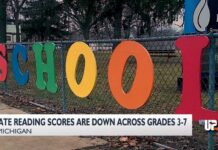
Fairfax County Public Schools told teachers not to link 9/11 lessons to Islam or to center the extremists, igniting a fight over truth in the classroom.
Story Highlights
- District guide warns teachers not to associate 9/11 with Islam or Muslims
- Guide says al-Qaeda carried out the attacks but urges against examining Islam
- Critics say the approach sanitizes terrorism and confuses students
- National resources often push reflective tone, fueling this broader debate
What Fairfax County Told Teachers About 9/11
Fairfax County Public Schools released a 9/11 instructional guide ahead of the 25th anniversary. The guide states that lessons should not associate the attacks with Islam or Muslims. It also says teachers should not center the extremists or their acts, and not focus a commemorative lesson on an examination of Islam. The guide does say al-Qaeda carried out the attacks, while stating its ideology should not be attributed to Islam or Muslims as a faith community.
Critics argue this language blurs the cause of the attacks for students. They say the guide’s rules downplay the role of a jihadist network that targeted the United States and killed nearly 3,000 people. They warn that avoiding discussion of extremist ideology undermines honest history. Reporters noted similar Fairfax messaging in past years, including pressure against terms like “radical Islamic terror,” which heightened concerns about political filters in classrooms.
How This Fits National Classroom Trends
Museums and federal resources often urge reflection, remembrance, and student sensitivity during 9/11 lessons. The National September 11 Memorial and Museum offers lesson plans that focus on legacy, stories, and careful discussion. The United States Department of Education promotes supportive climates and age-appropriate materials. These mainstream models help explain why some school systems emphasize feelings and safety. They also explain how historical causes can get less attention in practice.
Education outlets provide sensitive discussion strategies for hard topics. Some classroom plans focus on journaling, reflection, or memorial projects rather than deep study of ideology. This approach seeks to prevent stigma against Muslim students and reduce trauma among classmates. Supporters view it as compassionate and practical. Critics view it as incomplete. They argue students deserve clear talk about the network, the motives, and the worldview that drove the hijackers.
Why Clarity About Terrorism Matters to Parents
Parents in Fairfax and beyond want schools to teach what happened and why. They want students to know that al-Qaeda was a global terrorist organization with a radical ideology that targeted America. They fear that rules against “centering extremists” or “examining Islam” may cause teachers to dodge the hard parts. They worry this leaves teens with only a soft remembrance activity and no firm grasp of the threat that shaped U.S. policy for decades.
Balanced instruction can separate a faith practiced by millions from the violent doctrine of a terror group. It can also name the killers and explain their aims. Fairfax’s guide names al-Qaeda but tells teachers to avoid direct links to Islam or a focus on extremists. That tension is the heart of the dispute. The result risks confusion at the exact moment young Americans need plain facts about enemies, national security, and the duty to remember.
What Schools Can Do Right Now
School leaders can post the full guide and answer public questions. Teachers can pair remembrance with accurate history of al-Qaeda, its leaders, and its goals. Lessons can protect Muslim students from blame while still teaching the truth about the attackers. Direct, age-appropriate facts give students respect and clarity. Communities should expect transparency and factual rigor from public schools, especially on a day that defines modern American security and sacrifice.
Sources:
facebook.com, foxnews.com, 911memorial.org, noticias.foxnews.com, cair.com