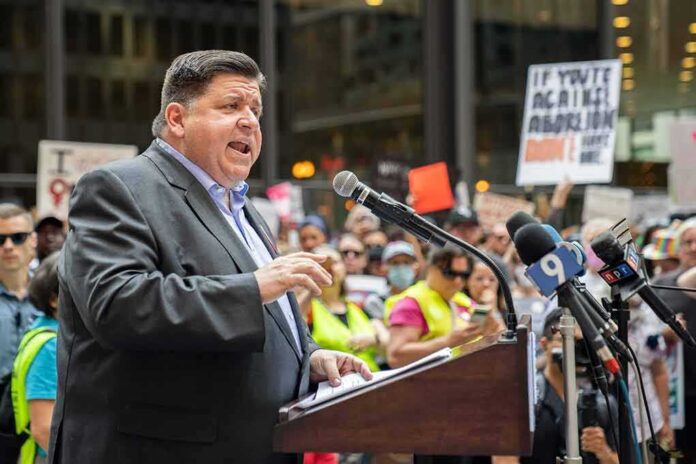
Illinois blocked a federal scholarship credit that could have paid for kids’ tutoring, special-needs services, and school costs starting in 2027.
Story Highlights
- Gov. JB Pritzker declined to opt Illinois into a new federal education tax credit program.
- The program offers a dollar-for-dollar federal tax credit up to $1,700 per person, $3,400 for joint filers.
- Scholarships could fund tutoring, special-education services, books, supplies, and tuition for public or private students.
- Critics say Illinois families will miss out while their federal-tax-credit donations aid students in other states.
Pritzker’s Decision And Stated Rationale
On November 24, 2026, Illinois Governor JB Pritzker said the state will not join the federal Education Freedom Tax Credit, which is set to begin January 1, 2027. Pritzker said the program could siphon resources from public schools and could route taxpayer-supported donations to private schools that may discriminate. His office framed the decision as protecting public education during a time of tight needs and rising costs, and it criticized Trump Administration policies on education.
The structure of the federal program lets taxpayers donate to certified scholarship groups and get a dollar-for-dollar credit on their federal taxes. Individuals can claim up to $1,700, and married couples filing jointly up to $3,400. Supporters say this will drive new private giving to students, not reduce state school budgets. Critics say any federal revenue loss still counts as public money not collected by Washington for other needs.
What The Scholarships Can Cover
The United States Department of Education explains that scholarships can help pay for tutoring, special-education services, books, supplies, and extended-day programs, including for students who remain in public schools. Funds can also cover tuition at a school of choice, which includes private schools. That design tries to meet families where they are, whether they need after-school help, therapy for a child with disabilities, or a different school setting that fits their child.
Local reporting describes the same range of uses and notes that authorized groups would distribute aid to families. That includes tutoring and other supports that many students lost during shutdowns and remote years. For parents facing long wait lists for special-education services or rising costs for books and fees, a targeted scholarship could bring quick relief. This is why many school-choice advocates framed the program as direct help to children, not a blow to public schools.
Who Gains And Who Loses Under Opt-Out
Because Illinois opted out, families in the state cannot access these federal-credit-backed scholarships when the program starts. The Illinois Policy Institute and other critics argue that Illinois taxpayers can still donate and claim the federal credit, but their money and the resulting scholarships will flow to students in states that opted in. The United States Department of Education also warned that opt-out decisions hand scholarship dollars to other states’ students.
Pritzker’s office argues the opt-out defends public-school resources and civil rights. But the record so far does not show a concrete Illinois budget cut that would occur if the state opted in, or data proving discrimination risks among named schools. The governor’s case rests on projections and principles, not outcome data, since the federal program starts in 2027. Supporters counter that families need immediate help for tutoring and special-needs services, and that private giving can expand access now.
How Big Could The Aid Be?
An advocacy analysis projects that if 10 percent of eligible taxpayers participate nationwide, scholarships could reach about $18.8 billion a year, and about $37.6 billion at 20 percent participation. Those figures are estimates, not guarantees, but they show the potential scale if Americans embrace the credit. For parents, even a few hundred dollars can cover books and after-school help. For a child with special needs, a larger award could fund therapy sessions that districts struggle to provide promptly.
Illinois groups that serve low-income families say the program could have sent “billions” into neighborhoods that are often last in line. Big Shoulders Fund pointed to tutoring, special-needs education, enrichment, and after-school support as likely uses. In many Chicago and downstate communities, those services are scarce or carry long delays. Scholarships could shorten that wait. Illinois’ opt-out means those private dollars will look elsewhere, at least in the program’s first year.
What Comes Next For Parents
Families who hoped for help should watch whether state leaders revisit the decision once the program launches and early data arrive. Parents can also ask local scholarship groups how cross-state donations will work and whether Illinois students can benefit in any way. Lawmakers can press for a transparent fiscal review: show how opting in would affect state budgets, district funds, and per-pupil amounts. Clear math and open rules can calm fears and keep the focus on students’ needs.
President Trump’s team pitched the credit as education freedom through voluntary giving, not a raid on state school budgets. Illinois chose to sit out based on predicted risks. The test in 2027 will be simple: do students in participating states get real help with tutoring, special education, and school costs, and does it come without harming public schools? If the answer is yes, pressure will grow on leaders who kept families from accessing help they could have used.
Sources:
twitchy.com, gov-pritzker-newsroom.prezly.com, news.wttw.com, whig.com, news-expressky.com, thebrunswicknews.com, tspr.org