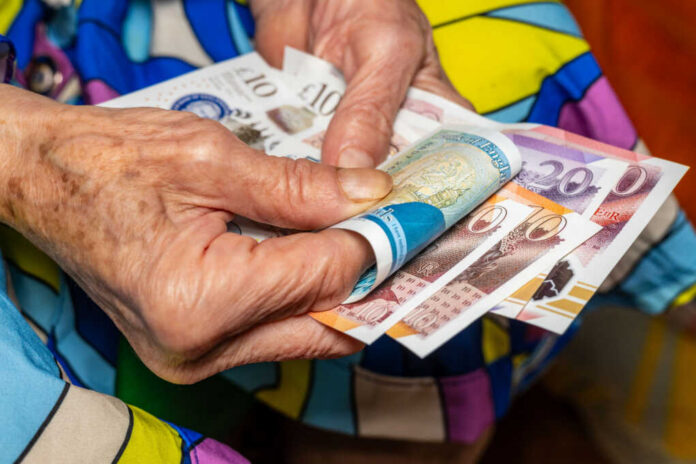
Millions of Brits forfeit hundreds in earnings monthly by idling cash in zero-interest accounts, mirroring the fiscal irresponsibility that conservatives fought against under wasteful leftist spending regimes now reversed by President Trump’s America First policies.
Story Snapshot
- 23% of Brits leave excess money in low- or no-interest current accounts each month, costing potential compound growth.
- 17% hold over £5,000 idle, especially men, amid £300bn in low-yield household savings.
- Inflation erodes value while savings accounts offer up to 5% yields versus 0-1% in currents.
- Ages 45-54 squeezed hardest, with 65% strained and 21% unable to cover £850 shocks.
Chase Survey Exposes Monthly Habit
Chase UK commissioned a survey revealing 23% of Brits routinely park excess funds in current accounts at month-end instead of higher-yield savings options. This practice leaves cash exposed to inflation’s bite. One in six of these individuals holds over £5,000 unused, with men disproportionately affected. Shaun Port, Chase MD for Daily Banking and Savings, stated every pound should work hard through simple transfers enabling compounding. Banks like Chase promote this shift for customer benefit amid economic pressures.
Historical Roots in Cost-of-Living Crisis
Post-2022 crisis, UK households amassed £300bn in low-interest accounts, fueled by pandemic habits and 11% inflation peak. Cash preference endures, with 79% of savers avoiding investments despite erosion. From 2022-2025, fiscal drag pushed 3.6 million into higher tax brackets without real wage gains. In 2025, 50% saw unchanged incomes, and 55% deemed the year financially tough, worst for ages 45-54 at 65% strained. Savings inertia persists into 2026 as base rates decline, widening the gap between 0-1% current yields and 5%+ savings rates.
Stakeholders Push for Change
Chase UK drives awareness via its survey, while Aviva highlights £300bn idle savings and confidence barriers. Aviva’s February 2026 research shows 39% shun investing due to risk fears, and 23% lack starting knowledge. Rhys Jones of GoCompare notes the squeezed middle faces bill hikes, with 28 million fearing rises in 2026. Financial firms wield influence through data, urging habit changes, as consumers prioritize security. Regulators like the Bank of England track this via broader savings data.
Amid caution, 51% plan 2026 budgeting, up from 46% last year, focusing on essentials as grocery inflation outpaces headlines. Resolutions include 30% cutting spending to boost savings, yet optimization lags.
Impacts Hit Households Hard
Short-term, £5,000 idle at 0% versus 4% savings forfeits £200 yearly, amplifying vulnerability where 21% cannot handle £850 surprises. Long-term, missed compounding delays retirement, worrying 12%. The 45-54 group suffers 31% income drops; low-income households show 18% with zero savings. Economically, idle £300bn hampers growth; socially, 36% anticipate worse finances, slashing dining (62%) and fashion (52%). Politically, it stokes cost-of-living debates.
Sources:
Millions of Brits making common mistake with their money every month
28 million Brits say rising bills are their biggest financial fear for 2026
New Aviva research reveals one in three Brits dont know enough about investing
UK financial outlook 2026: consumer spending trends, budgeting habits and financial expectations
Great Britain: inability to pay an unexpected expense
Rainy day savings, pensions and stocks: Brits 2026 financial resolutions