
The Trump Justice Department is backing a corporate legal shield that could shut cancer plaintiffs out of court—and it’s headed straight to the Supreme Court.
Story Snapshot
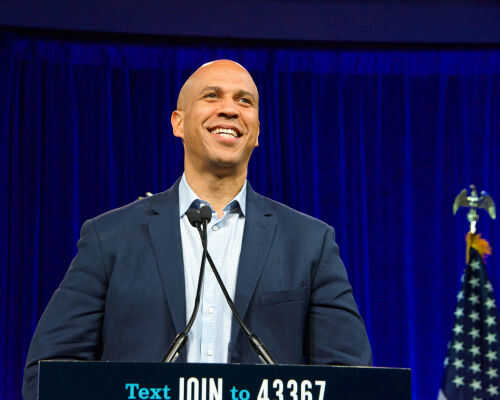
- Sen. Cory Booker filed a brief urging the Supreme Court to let Roundup “failure-to-warn” lawsuits proceed in state courts.
- The Trump administration’s Justice Department took the opposite position, arguing federal pesticide law can preempt state claims.
- The case, Monsanto Company v. John L. Durnell, is scheduled for Supreme Court arguments on April 27, with a decision expected later in 2026.
- Bayer says EPA reviews and label approvals show glyphosate is not carcinogenic; critics point to jury verdicts and a long-running scientific dispute.
Supreme Court case tests whether federal regulators can block state court accountability
Washington’s latest Roundup showdown centers on whether the Federal Insecticide, Fungicide, and Rodenticide Act (FIFRA) prevents people from suing in state court over alleged “failure-to-warn” labels. Sen. Cory Booker entered the fight with an amicus brief supporting plaintiff John L. Durnell, who says Roundup exposure led to non-Hodgkin lymphoma. The Supreme Court will hear arguments April 27, putting national product-liability rules on the line.
Justice Department support for Monsanto adds a political edge, because it ties the administration’s name to a position many voters associate with Washington deference to big institutions. The legal question is technical, but the practical effect is simple: if the Court accepts broad preemption, state “failure-to-warn” claims could be curtailed or wiped out. If the Court rejects preemption, thousands of cases can keep moving through juries and state judges.
Booker argues FIFRA sets a floor, not a lawsuit-proof ceiling
Booker’s filing frames FIFRA as a minimum national standard rather than a get-out-of-court-free card. His brief argues Congress never clearly told courts to block state failure-to-warn claims, and that state tort law remains a traditional tool for consumer protection and accountability. That argument resonates with constitutional conservatives who distrust government-granted immunity and prefer checks and balances—especially when an executive agency’s judgment becomes the only gatekeeper.
Monsanto, now owned by Bayer, counters that EPA-approved labeling creates a uniform federal framework and that allowing state juries to impose different warning duties creates conflicts. Bayer points to EPA reviews and the agency’s position that glyphosate is not likely carcinogenic to humans, arguing those determinations should matter when courts weigh liability. The company also notes it has won a majority of its more recent trials, even as litigation continues across multiple states.
Billions paid, verdicts upheld, and lawsuits keep coming
The Roundup litigation has been active since 2015, and the money at stake is enormous. Bayer has paid more than $10 billion to resolve claims and has floated a proposed multi-billion-dollar plan for remaining cases, while also continuing to fight individual trials. Plaintiffs have notched major jury verdicts over the years, and some large awards have been upheld on appeal, keeping pressure on the company despite a recent run of defense wins.
New filings also show the pipeline is not drying up. Reports in early 2026 described ongoing trials and additional plaintiffs joining combined actions, underscoring that this dispute is not just historical—people are still alleging injury, and lawyers are still testing arguments in courtrooms. That matters because the Supreme Court’s ruling won’t just decide one case; it could determine whether future claimants ever reach a jury on warning-label theories.
What the conservative takeaway is: accountability vs. administrative power
This fight isn’t about “woke” politics or culture-war theater; it’s a classic question of who gets the final say—citizens in court or federal regulators in Washington. Conservatives generally support limited government and due process, yet broad preemption can concentrate power inside agencies and corporate compliance systems. At the same time, conservatives also value predictable national rules for farmers and manufacturers, which is the core policy argument behind federal uniformity.
The facts available from current reporting leave one major unknown: how the justices will interpret FIFRA’s text and the practical effect of EPA label approvals. Oral arguments on April 27 should clarify which way the Court is leaning, but the decision later in 2026 will carry consequences well beyond glyphosate. If state claims are blocked, Washington’s regulators effectively become the main backstop; if not, juries remain a powerful check on warning practices and corporate risk decisions.
Sources:
https://www.cbsnews.com/news/roundup-cancer-lawsuits-supreme-court/
https://www.lawsuit-information-center.com/roundup-lawsuit.html
https://www.bayer.com/en/managing-the-roundup-litigation
https://www.motleyrice.com/toxic-exposure/roundup-lawsuits