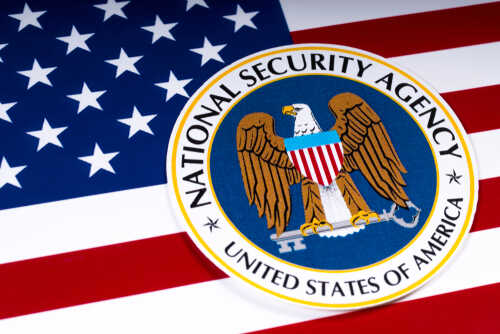
April Doss, the National Security Agency’s general counsel, was abruptly removed from her post in a move critics say underscores the Trump administration’s emphasis on ideological conformity and loyalty over institutional norms and legal independence.
At a Glance
- April Doss was ousted as NSA general counsel on July 25, 2025, after serving since 2022.
- Hard‑right activists and conservative media accused her of bias and forced her removal.
- DNI Tulsi Gabbard intensified pressure on intelligence ranks for ideological alignment.
- Doss was offered a Pentagon position, though acceptance remains uncertain.
- Her dismissal follows the April removal of NSA director Gen. Timothy Haugh and Deputy Wendy Noble.
Internal Civilian Purge
Doss, a career intelligence attorney who first joined NSA in 2003 and later served on the Senate Intelligence Committee during the Russia probe, returned as top lawyer in 2022. Her removal came just days after a scathing report by conservative outlets labeling her a “transparently partisan activist,” amplified by figures such as Laura Loomer. This internal dismissal illustrates the Trump administration’s willingness to purge experienced legal leadership in favor of politically aligned replacements.
Read the report: NSA’s top lawyer ousted in escalating loyalty purge
Meanwhile, DNI Gabbard has publicly pledged to weed out alleged left-leaning bias across intelligence agencies, marking a shift toward overt ideological vetting and loyalty profiling within senior civilian roles.
Echoes of the Broader Purge
This latest personnel shake‑up parallels the firing in April of NSA Director Gen. Timothy Haugh and his deputy Wendy Noble, who were dismissed shortly after Loomer met with President Trump. Critics, including Senate Intelligence Committee Democrats, warned that tapping a conspiracy theorist to influence national security leadership jeopardizes U.S. intelligence credibility and could embolden adversaries on the cyber battlefield.
Acting successors—William Hartman and Sheila Thomas—are now steering NSA amid mounting skepticism from lawmakers and former intelligence professionals about the politicization of agency operations.
Institutional Fallout and Consequences
Across the intelligence and national security community, Doss’s ouster is widely viewed as a chilling signal to career professionals: shifting policy winds may now outweigh merit and nonpartisan integrity. Legal analysts warn that purging experienced counsel undermines both oversight and the rule of law inside agencies wielding vast surveillance authority.
Former colleagues describe Doss as highly respected both for her bipartisan track record and her work on Senate oversight during the early Russia investigation. Her departure raised immediate concern among civil liberties advocates regarding leadership continuity and legal independence at the NSA.
Strategic Turbulence Intensifies
Taken together, the removal of Doss, Haugh, and Noble reveals a pattern: politically motivated staffing decisions shaped by external influencers—not solely internal evaluations or qualifications. With ongoing international cyber threats and internal leaks spotlighting agency vulnerabilities, the reshuffled leadership emerges under intense scrutiny.
As Senate Democrats press for transparency and Republicans offer muted criticism, the leadership turnover deepens anxieties about the long‑term integrity of critical intelligence institutions. The next moves—both in Senate oversight and internal agency doctrine—will determine whether legal safeguards can survive an era of overt loyalty prioritization.