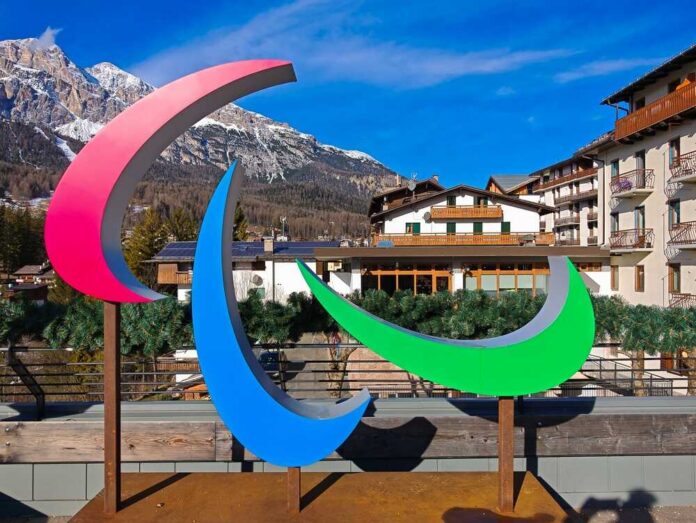
The 2026 Winter Paralympics have opened under a cloud of boycotts and political gamesmanship that turns a celebration of courage into yet another global stage for elites to play power politics.
Story Snapshot
- Russia and Belarus are back under their national flags at the Milano–Cortina 2026 Winter Paralympics after years of bans.
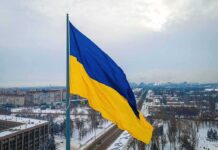
- Ukraine and six European nations are boycotting the opening ceremony in Verona, turning a sports showcase into a diplomatic standoff.
- The International Paralympic Committee overruled federations that wanted continued bans, exposing deep splits in global sports governance.
- The controversy shows how international bodies use sports symbolism while ignoring basic security, sovereignty, and accountability.
Russian Flags Return As Global Sports Bodies Send Mixed Signals
The Milano–Cortina 2026 Winter Paralympics opened with Russian and Belarusian flags flying in Verona for the first time since 2014, a stunning reversal after years of sanctions, suspensions, and promises that aggressor regimes would face lasting consequences. Around ten athletes from Russia and Belarus are competing among more than 600 athletes from 56 countries, but the symbolism of those flags looms larger than the size of the delegations. Many readers will recognize this pattern: tough talk up front, quiet retreat later.
The International Paralympic Committee had suspended Russia and Belarus in 2023 over the invasion of Ukraine, echoing broader moves by the IOC, FIFA, UEFA, and others to push Moscow to the sidelines. That stance crumbled in September 2025, when IPC members narrowly voted in a secret ballot to lift the suspension and allow full national symbols, including flags and anthems. The result left the Paralympic movement taking a softer line than most other major sports bodies still enforcing restrictions.
Boycotts, Empty Seats, And A Ceremony Turned Political Stage
On opening night in Verona’s ancient arena, the stands told the story. Ukraine led a diplomatic boycott of the ceremony, joined by six European nations: the Czech Republic, Estonia, Finland, Latvia, Lithuania, and Poland. Their athletes are still competing in events, but officials refused to march in a parade that would normalize Russia’s presence while war and occupation continue. Other countries, including the United Kingdom, stayed away citing logistics and performance, even as their governments voiced clear dissatisfaction.
This targeted boycott strategy lets governments signal disapproval without punishing their own Paralympians, many of whom have trained through conflict, injury, and years of uncertainty. Yet it also hands the IPC a kind of middle ground: the Games proceed, television pictures roll, and organizers insist they are just “focusing on athletes” while critics accuse them of giving propaganda cover to regimes eager for any sign of normalcy. For viewers at home, it reinforces that global elites treat principles as flexible when money and prestige are at stake.
Deep Splits Inside Paralympic Governance And What They Reveal
Behind the scenes, the decision to readmit Russia and Belarus has exposed sharp divides within international sport. Five of the six para-sport federations on the Winter Paralympic program tried to maintain their own bans on Russian and Belarusian athletes, only to be overruled after a legal battle at the Court of Arbitration for Sport. That ruling effectively centralized power in the IPC and weakened federations that wanted a tougher response, mirroring broader frustrations Americans have seen with unaccountable global bureaucracies overriding common-sense limits.
IPC president Andrew Parsons now defends the reinstatement as a democratic outcome of the September 2025 vote and signals he has little interest in reopening the debate. Many influential national committees, including ParalympicsGB, say they voted against lifting the suspension, yet they are left competing in Games shaped by a decision they strongly opposed. That tension recalls how U.S. voters watched Washington push through unpopular globalist policies for years, from climate deals to porous borders, while insisting the “process” had spoken and citizens should simply move on.
Sport, War, And Propaganda In An Unstable World
The backdrop is a world where major wars are again reshaping politics and institutions. This is the third Paralympic or Olympic cycle in the last four where a major conflict has been underway, and sports bodies keep improvising responses. Russia previously used Sochi 2014 as a prestige project while running a state-sponsored doping program, then shifted to “neutral” flags when sanctions hit. Now, with full flags restored at Milano–Cortina even as fighting continues in Ukraine, the line between accountability and appeasement looks increasingly blurred.
For American conservatives who value sovereignty, clear consequences, and respect for those on the front lines, the message is unsettling. International organizations that lecture the United States about everything from border security to energy policy are unable or unwilling to maintain a consistent standard when a powerful aggressor state wants back into the spotlight. The result is a Paralympic opening defined less by courage and competition and more by empty seats, legal maneuvering, and a familiar sense that global gatekeepers play by their own rules.