Wisconsin’s Democratic secretary of state nominee just named driver’s licenses for illegal immigrants as her top priority, despite having no power to change license law.
Story Snapshot
- JoCasta Zamarripa said licenses for undocumented immigrants are her top priority, citing “public safety.”
- Wisconsin law has required proof of citizenship or legal presence for licenses since 2006.
- Changing eligibility needs the Legislature and the governor, not the secretary of state.
- Republicans warn about voting-ID risks and want any new card clearly marked “not for voting.”
Nominee’s Pledge Centers on Licenses for Illegal Immigrants
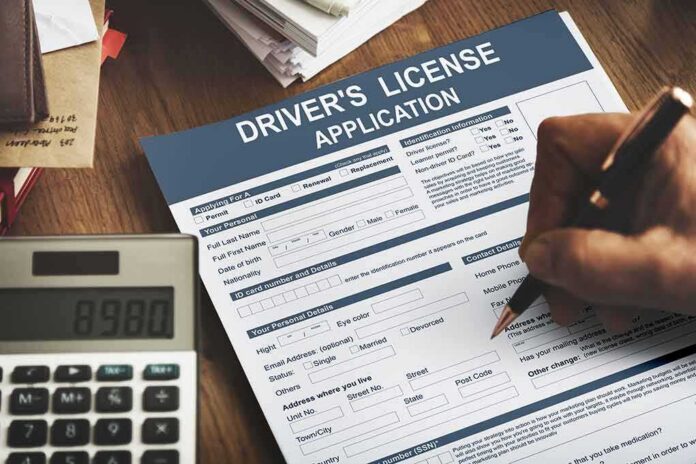
JoCasta Zamarripa, the Democratic nominee for Wisconsin secretary of state, told a local television station on October 14, 2026, that giving driver’s licenses to undocumented immigrants is her “top priority.” She argued that more licensed drivers would improve safety and open access to affordable insurance. Her claim repeats a pitch she made as a 2015 bill sponsor, when she called similar legislation an economic and safety measure. Reporters describe her plan as bringing more drivers into testing and insurance systems.
Wisconsin’s current law blocks that goal. Since 2006, applicants must show citizenship or lawful presence to get a driver’s license or state identification card. The Wisconsin Department of Transportation runs licensing and follows that legal standard. Any change would require the Legislature to rewrite eligibility and the governor to sign it. The secretary of state does not run the motor vehicle agency and cannot issue or expand licenses. Those steps are beyond the office’s authority.
Authority Gap and Practical Hurdles
Zamarripa’s pledge faces an immediate problem: the job she seeks cannot deliver it. The Wisconsin Department of Transportation manages testing, issuance, and identity rules. Lawmakers wrote the legal-presence requirement into statute. Reporters note that only the Legislature and the governor can change who qualifies for a license. Even supporters agree it would take a bill, hearings, votes, and a signature. That gap raises questions about why this is the top priority for this specific office.
The nominee’s safety case points to a mechanism rather than Wisconsin data. She says licensing undocumented drivers would move people into testing and insurance markets. However, the available reporting does not show Wisconsin crash trends or uninsured-driver rates changing under such a policy, because the state has not tried it. The 2015 proposal did not become law. No document in the current record outlines design details, identity checks, or federal data-sharing rules for any special card in Wisconsin.
Opposition Focuses on Election Integrity and Rule of Law
Opponents stress two points: the rule of law and election security. They argue the state set a clear standard in 2006, and reversing it rewards unlawful presence. They also note that Wisconsin driver’s licenses can serve as voter identification. Republican lawmaker John Weix warned that any new credential could muddy voter ID checks if not clearly marked. He urged that any special license, if ever created, must state “not to be used for voting” to protect ballot integrity.
Skeptics also question priorities. They ask why a secretary of state hopeful is centering a transport and immigration policy that she cannot enact. They point to rising costs, crime concerns, and border strain as higher-order issues. Some coverage highlights that supporters claim help from farmers and businesses, but the reports do not name those groups or show how broad that support is. That leaves the public with a slogan, but without named backers or clear safeguards to judge.
How Wisconsin Could Change the Law—and What Remains Unknown
If lawmakers take up the issue, they would need to define the credential. They would have to spell out accepted identity documents, testing rules, renewal steps, and anti-fraud checks. They would also need to decide whether to mark a card as not valid for federal identification or voting. The record does not provide those details yet. Without a bill text, voters cannot see how the state would prevent abuse, share data, or keep election systems clean and secure.
Nineteen states and the District of Columbia allow licenses for undocumented immigrants, according to reporting cited in this debate. Supporters argue that testing and insurance links improve safety. Critics worry that these policies signal tolerance for unlawful presence and can strain trust in voter identification. For Wisconsin, the next step is not a campaign promise. It is whether lawmakers file a bill, present safeguards, and show real Wisconsin evidence on crashes, coverage, and costs.
Sources:
washingtontimes.com, yournews.com, us.headtopics.com