A fire alarm cut short Stephen Colbert and Yo-Yo Ma’s Harvard talk as union-led noise outside drowned out the event and forced an evacuation, ending the program after just three audience questions.
Story Highlights
- A fire alarm ended the Colbert–Yo-Yo Ma event about 40 minutes into the program.
- Graduate student protesters used chants, drums, and air horns outside, making it hard to hear inside.
- Harvard’s arts director called the abrupt end disappointing for staff and students who prepared the event.
- The union denied pulling the alarm; officials have not named who triggered it.
Alarm Halts Event And Forces Evacuation
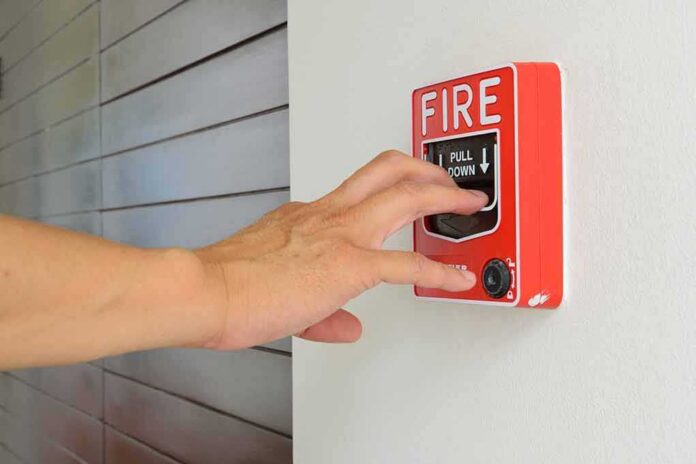
Harvard ended a high-profile conversation between Stephen Colbert and cellist Yo-Yo Ma after a fire alarm sounded and the theater was cleared. The alarm interrupted the question-and-answer portion around 40 minutes into the program, after only three questions. Organizers evacuated the venue and did not restart the event. The scene cut short a planned 90-minute program and left a full house without a conclusion to the evening.
Fiona Coffey, who leads Harvard’s Office for the Arts, thanked students and staff who worked to stage the event and called the sudden ending disappointing. Her public remarks reflected frustration across campus that a major arts program, months in the making, fell apart due to the disruption. The priority in the moment was safety and order. The university did not provide details on who activated the alarm, and officials focused on clearing the building.
Union Noise Outside Undercuts The Program Inside
Outside Sanders Theatre, striking graduate student workers picketed with chants, drums, and air horns. Reporters on scene said the volume made it hard for the audience to hear, especially the soft-spoken Yo-Yo Ma. The union framed its action as justified pressure during a strike, claiming that Colbert and Ma crossed its picket line. Whatever the intent, the effect inside was clear: sustained noise that interfered with a peaceful event and with audience members who paid to listen.
Coverage from local and national outlets described a crowd of protesters and continuous sound that bled into the auditorium. Some reports said the event had already been difficult to follow before the alarm because of the exterior clamor. That is where the line between free speech and coercive disruption becomes important. Labor law recognizes picketing as speech plus. When tactics target neutral events and block others from speaking or listening, they cross from persuasion into interference.
Who Pulled The Alarm? Union Denies Involvement
The Harvard Graduate Student Union denied any role in the fire alarm. The union said the alarm was not related to its picketing and that it had no knowledge of the cause. Media reports, including a tabloid account, repeated the union’s denial while noting the timing: the alarm came as demonstrations were underway outside. Authorities have not identified the person who pulled the alarm, leaving accountability for that act unresolved.
That gap matters. The record shows two distinct things happened: a noisy labor protest and an alarm that ended the talk. The first is admitted; the second is unexplained. Responsible reporting separates those facts. But the broader picture still raises a red flag for anyone who cares about open forums. When activists aim noise at a hall so people inside cannot hear, they are not debating ideas. They are silencing them. That trend chills speech and civic life, on or off campus.
Free Speech, Picket Lines, And The Public’s Right To Listen
Courts and the National Labor Relations Board draw lines between leafleting that informs and picketing that pressures third parties. The United States Supreme Court has held that unions may not push neutral parties to shut down business to win leverage in another dispute. That principle protects the public from losing access to services and events when they are not the target of the labor fight. Peaceful protest is protected. Coercive disruption is not.
Stephen Colbert and Yo-Yo Ma Evacuated from Harvard Event After Fire Alarm Disrupts Union Protest https://t.co/7ErWt8INAT
— Newstro (@Newstro) November 8, 2026
Harvard’s case highlights this balance. The union has every right to make its case. The public has every right to hear a conversation without air horns drowning it out. A fire alarm that empties a theater destroys that right. President Trump’s Justice Department and state officials have backed firm lines against disorder that harms the public’s access to speech and assembly. Clear enforcement, paired with lawful protest zones, protects both sets of rights without rewarding chaos.
What Comes Next At Harvard
Harvard can strengthen event security by hardening alarm access, setting clear perimeter rules for sound, and moving high-risk programs to venues with better acoustic isolation. Union leaders can show good faith by keeping tactics inside the law and outside the walls of neutral events. City officials can deter false alarms with swift penalties. These steps do not mute protest. They keep civic spaces open so speakers can speak and citizens can listen without fear or forced silence.
Sources:
nypost.com, themirror.com, harvardmagazine.com, bsky.app