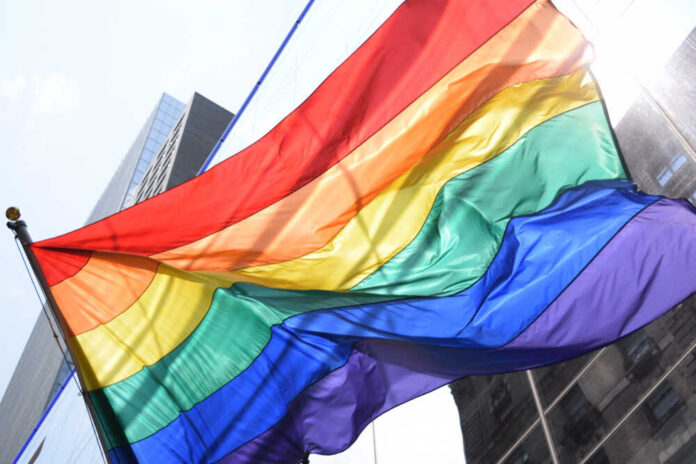
A Maryland city just told residents that “LGBTQ+ people” are the most at risk in disasters, turning basic emergency planning into yet another identity checklist.
Story Snapshot
- Annapolis published an “Emergency Preparedness Guide for the LGBTQ+ Community,” implying this group is especially vulnerable in disasters.
- City posts say disasters pose “unique challenges” for LGBTQ+ people and repeat a claim that they are almost twice as likely to be displaced.[8]
- Critics see this as politicizing emergency planning and favoring one identity group instead of serving all residents equally.[7]
- Supporters point to national data showing higher displacement and hardship rates among LGBTQ+ people after disasters.[3]
City emergency guide puts identity politics into disaster planning
The Annapolis Office of Emergency Management posted an infographic called “Emergency Preparedness Guide for the LGBTQ+ Community,” framing lesbian, gay, bisexual, transgender, and queer people as a special risk group in disasters.[8] The city wrote that “disasters can present unique challenges for the LGBTQ+ community” and claimed LGBTQ+ people are almost twice as likely to be displaced after a disaster, echoing national talking points from advocacy groups and media.[1][3] The post linked to a full-text version of the guide and was promoted as part of Pride Month outreach.[11]
A local alert page reposted the city message under “Emergency Preparedness,” quoting the line that LGBTQ+ individuals are nearly twice as likely to be displaced by natural disasters and climate events.[7] That amplifies one identity group’s risk over others, even though every resident faces the same storm, flood, or power outage. Frustrated residents see a pattern: instead of clear, neutral advice on food, water, medicine, and evacuation, they get one more government document sorted by ideology and lifestyle.
Supporters cite data on higher displacement, but critics question focus
Backers of the guide point to recent national data and research that say LGBTQ+ people report higher rates of disaster displacement and post-disaster hardship than the general population.[3] One Census-based analysis estimated that 2.4 percent of LGBTQ+ people reported being displaced in a recent year, compared with 1.5 percent of the total population, and also found higher rates of food insecurity and unsanitary conditions after disasters.[3] Disaster-equity toolkits now urge agencies to “intentionally include LGBTQIA+ people” in planning and shelter policies.[4]
Critics do not deny that some people face extra hurdles, like unstable housing or weak support networks, but they argue those needs can be addressed without turning government guidance into a list of identity groups.[1] They worry this kind of targeted messaging hardens divisions, suggests some residents deserve special treatment, and pushes culture-war themes into what should be a practical, unifying topic. For many, it feels like the same “woke” lens that has hit schools and workplaces is now creeping into public safety and disaster response.
Guide content goes beyond basics and risks sidelining core preparedness
The Annapolis materials follow a broader trend of LGBTQ-focused emergency guides that mix universal advice with identity-specific items, such as “gender-affirming clothing” or chest binders in go-bags.[10] A national webinar on disaster preparedness for the LGBTQ+ community urges people to build personal support networks, plan for lost internet access, and designate an emergency contact within a “chosen family,” then to “be an advocate” for LGBTQ+ people in shelters.[5] Those ideas may matter to some, but they also shift focus away from shared basics that every family needs.
The city of Annapolis, Maryland just put out an emergency preparedness guide only for lgbtq people.
They claim that lgbtq people are more likely to be affected by a natural disaster
What??
Why not make sure ALL residents are prepared for a disaster?
Democrat-appointed Kevin… pic.twitter.com/0Uj3hOCo6U
— Libs of TikTok (@libsoftiktok) June 17, 2026
For conservative residents, the concern is not that their gay or transgender neighbors prepare for storms, but that government is once again sorting people by letters instead of needs. When an office that is supposed to serve everyone starts segmenting guides by sexual identity, people reasonably ask which group gets special messaging next, and whether limited time and money are being pulled away from straightforward, citywide readiness. That looks less like emergency management and more like social engineering by bureaucracy.
Broader pattern: identity framing versus equal treatment under one standard
Emergency-management researchers now talk openly about “identity” and “community salience” as tools to shape behavior and outreach, saying that targeted messages can help certain groups take disasters more seriously.[13][15] Reports urge leaders to weave cultural and identity concerns into risk reduction and to partner with advocacy organizations when designing disaster plans.[16] In practice, that often means more checklists, more training sessions, and more specialized guides, each tied to a specific group and its claimed vulnerabilities.
That academic thinking clashes with how many Americans see their local government. Most citizens want one clear, simple standard: in a crisis, every life has equal worth, and officials should focus on needs like age, disability, and medical dependence, not ideology or lifestyle. When cities like Annapolis roll out identity-branded guides and blast them during Pride Month, they send the opposite signal. They risk eroding trust, feeding resentment, and distracting from the real job: protecting every household, regardless of politics, labels, or social pressure.
Sources:
[1] Web – Maryland city publishes guide saying ‘LGBTQ+ community’ is most …
[3] Web – LGBTQ+ organizers build community-led disaster response amid …
[4] Web – LGBTQ+ people are nearly twice as likely to be displaced after …
[5] Web – [PDF] DISASTER EQUITY: PREPAREDNESS, RESPONSE, AND …
[7] Web – Annapolis & Anne Arundel Pride Guide | LGBTQ+ Friendly Travel
[8] Web – #EmergencyPreparedness – Facebook
[10] Web – Queer Communities Often Left Out of Disaster Planning, Research …
[11] X – gathering supplies such as “gender-affirming clothing; chest binders …
[13] Web – Office of Emergency Management (OEM) | Annapolis, MD
[15] Web – Identity Distress among Youth Exposed to Natural Disasters – PMC
[16] Web – Read “Facing Hazards and Disasters: Understanding Human …