
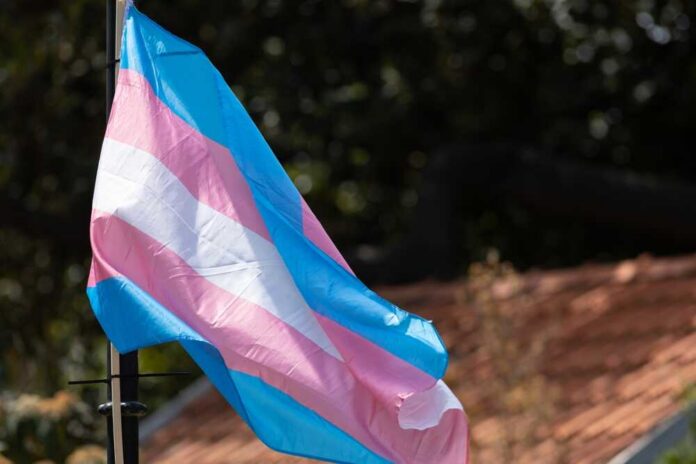
The Trump administration’s new lawsuit against the World Professional Association for Transgender Health puts the fight over child sex changes back in the spotlight.
Quick Take
- The Federal Trade Commission and four states filed suit against the group behind transgender care standards.
- Officials say the group misled parents about the safety and value of youth transition treatments.
- The case centers on claims that weak evidence was sold as strong science.
- WPATH says the government is intruding on medical judgment and protected speech.
Why the lawsuit matters
Federal officials are now taking direct aim at a medical group that shaped national transgender care guidance. The Federal Trade Commission and the attorneys general of Alaska, Iowa, Nebraska, and Texas filed the case in federal court, saying WPATH misled families about benefits and risks tied to drugs and surgeries for minors[3][5].
That matters because the dispute is not just about one group’s handbook. It goes to the heart of who sets the rules for children’s medicine and whether parents were given straight facts before making life-changing decisions. The complaint, as described in reporting, says WPATH dressed up contested claims as settled science[1][3].
What the government says WPATH did
According to reporting on the complaint, regulators say WPATH built its adolescent standards with conflicted authors and bent to political pressure when age limits were removed[1]. They also say the group presented weak evidence as if it were high quality. The lawsuit reportedly leans on outside reviews, including the Cass review and a Trump administration review on gender dysphoria, to argue that the science was never as strong as WPATH claimed[3].
The public record in hand does not include the full complaint text, so the exact legal theories remain partly hidden. Even so, the broad charge is clear: the government is arguing that a powerful medical group crossed the line from guidance into deception. That is a serious allegation, but it still needs proof in court before anyone can say the case is won[1][3][5].
WPATH’s defense and the bigger fight
WPATH has pushed back hard. In its earlier federal filing, the group said the Federal Trade Commission had launched a burdensome investigation into its noncommercial speech and had no place in individualized medical decision-making[4][2]. WPATH also says its Standards of Care Version 8 were built through a defined process, using a multidisciplinary team, systematic reviews, and consensus work[8][10][11].
One year ago today, the Supreme Court decided United States v. Skrmetti, upholding Tennessee's restrictions on certain gender-transition treatments for minors.
A year later, the legal questions it touched continue to permeate throughout the courts. In just the past few months:…
— Federalist Society (@FedSoc) June 18, 2026
That defense will matter in court, but it may not settle the larger public fight. Supporters of the lawsuit will say families deserve honest evidence, not activist medicine wrapped in medical jargon. Critics will say the government is trying to police medical judgment and chill speech. For readers who are tired of woke pressure being pushed into schools, hospitals, and public policy, this case will look like one more test of whether institutions can still be trusted.
What comes next
The case is likely to turn on documents, evidence grades, and internal drafting records, not slogans. If the government can show that WPATH overstated weak studies or hid conflict problems, the lawsuit could become a major check on medical gatekeeping. If WPATH shows a real scientific process and no proof of deception, the case could be recast as another attempt to use federal power in a culture war[2][4][8][11].
For now, the most important fact is simple. The Trump administration has moved from criticizing transgender youth medicine to suing one of its biggest standard-setters. That raises the stakes for parents, doctors, and state officials who are already divided over how far these treatments should go and whether the people writing the rules were ever honest about the evidence[3][5].
Sources:
[1] Web – FTC, Alaska, Iowa, Nebraska, and Texas Sue Transgender Health Group …
[2] X – Here is the 127-page legal complaint as the FTC sues WPATH: https …
[3] Web – Case: World Professional Association for Transgender Health v …
[4] Web – FTC, four state AGs sue transgender health group over care standards
[5] Web – [PDF] Files Complaint to Stop FTC Investigation | WPATH
[8] Web – WPATH SOC8, a Manifesto for Trans Healthcare – Facialteam
[10] Web – The WPATH Standards of Care for Gender-Affirming Surgery
[11] Web – Standards of Care Version 8 – WPATH