
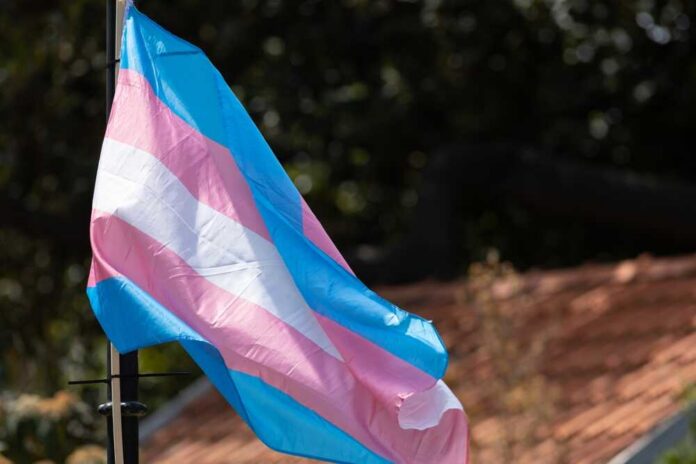
After losing power in Washington, Democrats are fighting each other over a costly obsession with transgender politics that many voters never asked for.
Story Snapshot
- Democrats lost the White House and both chambers of Congress, then started blaming transgender politics for their defeat.
- Party centrists say nonstop culture wars on gender are alienating working‑class voters who care more about the economy.
- Polling shows many Americans think support for transgender rights has “gone too far,” even as they oppose harsh bans.
- Democratic leaders are stuck between activist donors and frustrated moderates, leaving their message confused and divided.
How Democrats Turned Trans Politics Into A Self‑Inflicted Wound
After Kamala Harris lost the presidency and Democrats surrendered both houses of Congress, top party figures quickly started pointing at transgender issues as one reason for the defeat. Reports from Atlanta and Washington describe Democrats “grappling” with how their strong backing of transgender rights played in key races, especially after a campaign season full of Republican ads tying Harris to gender‑affirming care and school gender policies. The fight is not about basic respect. It is about how far policy should go, and how loudly the party should talk about it.
Kamala Harris mostly avoided transgender topics on the trail, but internal polling suggested Trump’s anti‑trans attack ads still hurt her with swing voters. One widely discussed spot painted Harris as “for they/them; Trump is for you,” turning frustration with elite language into a simple choice for voters. After the loss, some Democrats called it political malpractice that the campaign left those attacks mostly unanswered, while others insisted there was no hard proof that transgender issues were the main reason for defeat. That split laid bare a deeper problem inside the party.
Polling Shows Voters Are Torn And Tired Of The Culture War
Surveys taken after the election show why transgender politics is such a risky hill for Democrats to die on. An Associated Press VoteCast study of more than 120,000 voters found that more than half said support for transgender rights in government and society has gone too far. Among Trump voters, a massive 85 percent felt that way. At the same time, slightly more than half of all voters opposed blanket bans on gender‑affirming medical treatment, while just under half backed such bans. That mix of views suggests citizens want limits, not crusades, from either side.
Other polling paints a more complex picture. One progressive survey reported that a slim majority of voters say they prefer candidates who support transgender rights over those who oppose them. Many also say transgender people deserve dignity and respect. Yet that same research shows voters rank the economy, jobs, inflation, and the state of democracy far above LGBTQ+ issues when making their choice. In simple terms, Americans may lean toward fairness, but they do not want elections turned into nonstop fights over pronouns and school bathrooms while prices and crime go up.
Centrist Democrats Revolt Against The Party’s Trans Fixation
Inside the Democratic Party, moderates and centrists are now openly furious at leaders for letting transgender issues dominate Republican attacks. Interviews with House Democrats describe a caucus that believes identity politics and aggressive gender policies must “take a backseat” to economic worries from working‑class voters who feel ignored. Some lawmakers warn that constant defense of unpopular cultural positions makes it easier for Republicans to portray Democrats as out of touch with normal life. For many swing‑district members, this is not theory; it is about keeping their seats.
Progressive Democrats and activist groups, however, are pushing hard in the opposite direction. A report on Senate Democrats shows they are willing to vote against bills that restrict transgender rights, but many avoid talking about the issue in public, fearing backlash. Transgender advocacy organizations complain that this silence is a betrayal and demand even louder support. One activist piece blasted Democrats for “waffling” on LGBTQ issues and warned the party not to dilute its message. That pressure matters because such groups and their donors are deeply tied into Democratic campaign funding.
What The Trans Obsession Means For 2026 And Beyond
Political scientists have found that candidates who are openly transgender face “very large penalties” in many electorates where strong bias exists, even compared to gay or lesbian candidates. That research underscores why heavy focus on transgender topics can be dangerous in swing districts, especially when many voters already think policy has gone too far. At the same time, Democratic strategists lack clear, public data proving exactly how much transgender issues moved vote margins in key races. Much of the current argument rests on finger‑pointing and gut instinct, not rigorous election forensics.
Some Democrats have tried to counter the “blame trans” narrative by noting that a few anti‑trans Democrats lost primaries, while one transgender candidate in North Carolina managed to win 26 percent of the vote. Others point out that exit polls listed the state of democracy and the economy as top voter concerns, not transgender rights. Still, the broader pattern is hard to ignore: every time Democrats double down on fringe cultural fights instead of bread‑and‑butter issues, Republicans gain ground with normal Americans who are tired of being called bigots for wanting common‑sense limits on radical social experiments.
Sources:
theamericanconservative.com, pbs.org, nbcnews.com, politico.com, pewresearch.org, reddit.com, 19thnews.org, facebook.com, dataforprogress.org, williamsinstitute.law.ucla.edu, genderpolicyreport.umn.edu