President Trump just turned succession planning into a live studio audience game show, polling White House dinner guests on whether Vice President JD Vance or Secretary of State Marco Rubio should claim the 2028 Republican nomination.
Story Snapshot
- Trump asked Rose Garden Club attendees directly: “Who likes JD Vance? Who likes Marco Rubio?” while insisting neither has his endorsement
- Rubio has surged from 22.6% to 45.4% in recent polling while Vance dropped from 46.7% to 29.6%, flipping their positions completely
- Trump framed the pair as a potential “dream team” ticket without specifying who would lead it
- Rubio publicly stated he would not challenge Vance if the Vice President runs, despite his polling momentum
The Crowd Poll That Says Everything and Nothing
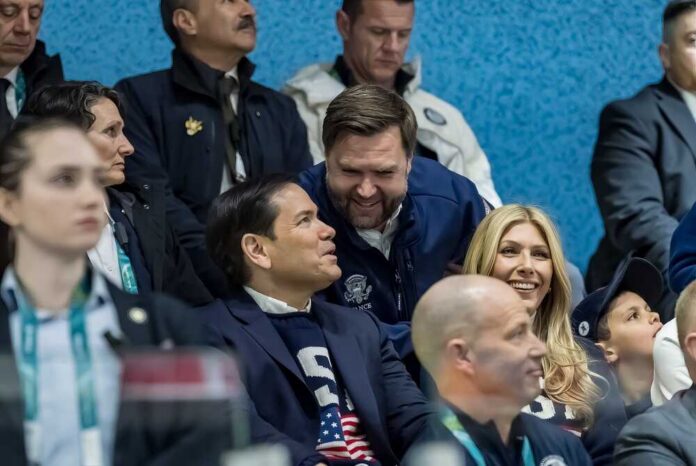
Trump stood before his Rose Garden Club dinner guests in May 2026 and conducted what can only be described as presidential succession by applause meter. He asked supporters to cheer for Vance, then for Rubio, then declared them a potential “dream team” before adding the kicker: “That does not mean you have my endorsement under any circumstance.” The performance captured Trump’s governing style perfectly. He treats major political decisions like collaborative brainstorming sessions, maintaining leverage over both men while appearing to democratize the choice. This wasn’t his first rodeo either. Trump had been asking Mar-a-Lago guests the same question for weeks, testing the waters or simply enjoying the spectacle of two ambitious cabinet members vying for his blessing.
When the Vice President Becomes the Underdog
JD Vance holds the Vice Presidency, traditionally the clearest path to inheriting a party’s nomination. Yet the numbers tell a brutal story. At CPAC 2026, Vance dropped from 61% support to 53% while Rubio rocketed from 3% to 35%. The AtlasIntel poll delivered an even harsher verdict: Rubio now leads 45.4% to Vance’s 29.6%, a complete reversal from December 2025 when Vance commanded 46.7% against Rubio’s 22.6%. Trump previously called Vance his “most likely” heir apparent, but actions speak louder than past pronouncements. When Fox News asked Trump who he thinks will be the next president, he dodged: “Well, I would say that it will be a Republican.” Not exactly a ringing endorsement for his own Vice President.
Rubio’s Resurrection From 2016 Rival to 2028 Frontrunner
Marco Rubio once traded insults with Trump during the vicious 2016 primary, making his current position all the more remarkable. As Secretary of State, Rubio commands a platform that offers daily visibility and the gravitas of diplomatic credentials. His approval ratings sit at 46% positive compared to Vance’s dismal 37%, while Vance suffers a 58% unfavorable rating that would sink most political ambitions. Politico reports Trump insiders now view Rubio as better positioned to maintain the Trump coalition, a significant signal that establishment Republicans see him as the safer bet. Yet Rubio has publicly stated he won’t challenge Vance if the Vice President enters the race, a pledge that sounds principled until you realize it keeps him in Trump’s good graces while Vance’s numbers crater.
The Strategic Genius or Chaos of Keeping Both Men Guessing
Trump’s refusal to commit serves multiple purposes, whether by design or instinct. Both Vance and Rubio must remain fiercely loyal while serving in his administration, neither able to position themselves too aggressively without appearing disloyal. Trump maintains maximum leverage, able to reward the more obedient or punish perceived slights by shifting his favor. The “dream team” framing offers Trump an exit ramp: he can eventually endorse either man for the top spot while praising the other as the perfect running mate, claiming he planned it all along. This approach does carry risks. A prolonged succession battle could divide the party between MAGA purists who prefer Vance and pragmatists who see Rubio as more electable. But Trump has never prioritized institutional health over personal control, and that pattern shows no signs of changing.
President Trump holds impromptu 2028 poll. See Marco, Vance 'votes.' https://t.co/Fo9jKidAyc
— USA TODAY Politics (@usatodayDC) May 12, 2026
What the Numbers Reveal About Republican Voters
The polling shift reflects more than personal popularity. Vance represents ideological continuity with the MAGA movement, appealing to the base that drove Trump’s initial rise. Rubio offers coalition-building potential, someone who can unite establishment Republicans uncomfortable with populist rhetoric alongside Trump loyalists. Ron DeSantis polling at 11.2% suggests some Republicans want a third option entirely, though single-digit support for all other candidates confirms this remains a two-man race. The 2026 midterms will provide the next major test, potentially reshaping these dynamics before the 2028 race officially ignites. Trump’s eventual endorsement will likely determine the outcome, but his informal polling suggests even he recognizes the race is no longer Vance’s to lose. Rubio’s momentum has made this a genuine competition, exactly the situation Trump seems to prefer.
Sources:
Rubio gains early momentum in hypothetical 2028 GOP primary race; Vance remains front-runner
Poll Shows New Favorite Marco Rubio for Republican 2028 Nomination Over JD Vance