United States delegates walked out of the United Nations as Iran’s president accused America and Israel of “terrorism” and “genocide,” while denying any push for nuclear weapons.
Story Highlights
- Iran’s president used the United Nations stage to accuse the United States and Israel of “terrorism” and “genocide.”
- Iran claimed it does not seek nuclear weapons but insists on “peaceful” nuclear rights.
- President Trump warned the United Nations that Iran must choose a deal or face annihilation if it threatens the world.
- Recent watchdog findings cite Iran’s blocked access for inspectors and unresolved nuclear questions.
Iran’s Accusations And The U.S. Walkout
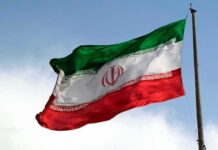
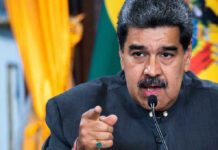
Iranian President Masoud Pezeshkian told the United Nations that the United States and Israel are the real aggressors, accusing both of “terrorism” and “genocide.” He cast Iran as a victim and held up photos to press his case. United States delegates walked out during the speech. The moment showed a sharp split inside the hall and a clear line in the sand. Iran’s message aimed to flip blame for the region’s violence onto Washington and Jerusalem.
Pezeshkian also denied that Iran seeks nuclear weapons. He said Iran will never surrender its “inherent” right to peaceful nuclear technology. He contrasted United Nations scrutiny of Iran with what he called Israel’s undeclared arsenal. That claim is not new. Tehran often says the world applies double standards. The walkout signaled that Washington would not lend the room’s prestige to those charges, which many see as propaganda rather than proof.
Trump’s UN Message: Make A Deal Or Face Destruction
President Trump addressed world leaders a day earlier and drew a stark choice for Tehran. He said Iran could accept a deal and rebuild, or face annihilation if it threatens the world. He argued that firm action has stopped Iran from getting a nuclear weapon and warned he will not allow the regime to endanger the Middle East or America. His remarks underscored a pressure-first policy and made clear that weakness is not an option.
Trump also said a deal is still possible, even after harsh words. Reports noted his administration kept channels open on the sidelines. The message mixed deterrence with an opening, but only if Iran changes course. That approach aligns with conservative priorities: peace through strength, strict verification, and zero tolerance for terror support. The president thanked nations backing efforts to ensure Iran never obtains a nuclear weapon, reflecting a growing coalition.
What The Watchdog Says About Iran’s Nuclear File
International nuclear monitors have struggled to track Iran’s program. Recent reports say Iran blocked access to facilities and withheld information about nuclear material. The findings describe unresolved safeguards issues that date back years. The lack of access limits verification and raises doubts about Tehran’s claims. This is why many leaders back tougher measures until transparency returns and facts replace slogans from the podium.
📌 A U.S. representative walked out of the UN General Assembly during Pezeshkian’s speech.
Iranian President said his country does not seek nuclear weapons, but wants nuclear energy, while accusing Israel of possessing nuclear weapons without allowing IAEA inspections.… pic.twitter.com/zcMaNowBGm
— Context 360 (@NewsContext360) September 24, 2026
Independent analysts who review the International Atomic Energy Agency’s reports say the agency documented serious gaps in cooperation and noncompliance concerns. They argue the case warrants censure and referral if Iran will not restore full access. For American families, this matters. A nuclear-armed Iran would fuel chaos, spike oil prices, and threaten allies. Clear rules, real inspections, and strong deterrence protect both our security and our wallets.
Why The Walkout Matters For U.S. Interests
United States officials sent a message by leaving the hall: America will not sit quietly while a regime that backs proxy violence smears our country and our ally. The move supported Israel’s right to self-defense and pushed back on attempts to rewrite reality at the United Nations. It also reinforced that Iran’s words must match verifiable deeds. Until inspectors return and hard questions get answers, Washington will keep the pressure on and rally partners.
What Comes Next
Diplomacy will continue, but it will not be based on trust. It will be based on verification and leverage. If Iran truly wants peaceful nuclear energy, it can prove it by opening its doors and resolving every outstanding issue. If it refuses, sanctions and isolation will deepen. President Trump made the choice plain. The world is watching to see if Tehran picks prosperity under clear rules, or doubles down on threats that lead to ruin.
Sources:
youtube.com, nytimes.com, abcnews.com, reuters.com, thedailybeast.com