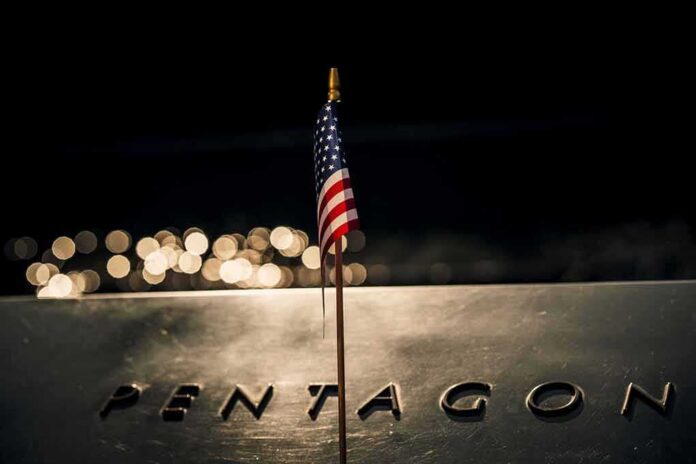
The Pentagon quietly raised the official U.S. troop death toll in the Iran war to 21, adding two noncombat fatalities and listing 865 wounded, according to its updated database.
Story Highlights
- The Defense casualty database now lists 21 U.S. deaths tied to Iran operations.
- Two newly counted deaths are classified as non-hostile, not new combat losses.
- The total wounded figure stands at 865 with the same reporting cutoff.
- Media reports identified one added case as Army National Guard Maj. Sorffly Davius.
Pentagon Updates Death Toll and Wounded Count
Reuters reported that the Defense Casualty Analysis System was corrected on October 9 to show 21 deaths and 865 wounded in operations against Iran. The increase came from two noncombat deaths added to the tally. The change aligns with earlier indications that some deaths were acknowledged but not counted under the Iran operation. The Pentagon made the revision in its public database rather than through a formal press briefing. The new figure gives families and taxpayers a clearer, if late, picture of the cost.
The Anadolu Agency said Pentagon officials described the additions as non-hostile deaths consistent with prior omissions, not fresh combat fatalities. One of the newly counted cases was Army National Guard Major Sorffly Davius, who died in Kuwait on March 6 and had been previously acknowledged but not included in the Iran-related total. Another case involved a Navy service member who died by suicide in September. Task & Purpose also noted both were categorized as non-hostile in the database update.
How Classification Choices Shape the Public Count
The Washington Examiner reported that operation labels matter for public totals, with some regional deaths tracked under different mission names, such as Operation Inherent Resolve. That means the 21 linked to Iran operations may not reflect every U.S. death across the broader Middle East theater during the same period. This split can confuse the public and families who expect a single clear number. Different labels, timelines, and adjudication steps can shift counts even when the facts on the ground stay the same.
NPR summarized prior Washington Post reporting that cited anonymous officials who placed the theater’s deaths at 22 or 23 when the public database showed 18 at that time. Defense Secretary Pete Hegseth publicly rejected that report, but the Pentagon later lifted the official number to 21 through the database change. The revision narrows the earlier gap but does not erase it. The core lesson is simple: wartime casualty accounting moves as cases are classified, linked to operations, and entered into official systems.
Why This Matters for Families, Troops, and Accountability
Military families deserve timely, consistent numbers that match what leaders say in public. Clear counts guide benefits, honors, and the nation’s shared duty to remember the fallen. When entries appear late, even for good reasons, people worry about transparency and care. Conservative readers expect precision, limited government spin, and respect for service. Updating the database to include known noncombat deaths helps. Publishing plain-English criteria for how deaths link to specific operations would help even more.
Pentagon Raises US Troop Death Toll in Iran War to 21 After Adding Two Deaths; 865 Woundedhttps://t.co/4ej4YVvKgxhttps://t.co/4ej4YVvKgx
— Inside Hint (@InsideHint) October 12, 2026
The research community has long found that conflict tolls often shift as data improves and classifications settle, especially in fast-moving wars. That pattern does not excuse slow updates, but it explains why numbers change after initial reports. Congress can press for a case-by-case reconciliation of the 21 deaths with names, dates, causes, and when each case entered the database, with private details protected. That step would honor the fallen, steady public trust, and set a stronger standard for future reporting.
Sources:
feedpress.me, yahoo.com, aa.com.tr, taskandpurpose.com, bastillepost.com, shafaq.com