U.S. prosecutors added a torture-conspiracy charge against Venezuela’s Nicolás Maduro and his wife, tying them to abuse of Americans held in Venezuelan prisons.
Story Highlights
- A superseding indictment in New York adds a conspiracy-to-commit-torture charge against Nicolás Maduro and Cilia Flores.
- The new count builds on existing U.S. drug and weapons allegations already pending against Maduro’s circle.
- Reports say the case focuses on abuse of detainees, including Americans held in Venezuelan custody in recent years.
- Human rights records describe systematic torture by Maduro-aligned security forces during his rule.
U.S. Prosecutors File New Torture-Conspiracy Charge
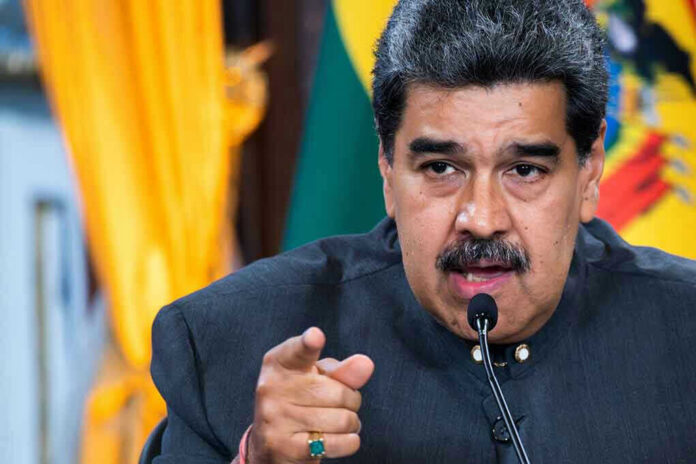
Federal prosecutors in Manhattan filed a superseding indictment that adds conspiracy to commit torture against Nicolás Maduro and his wife, Cilia Flores. The filing expands an existing criminal case and alleges a plan to use torture against detainees, including U.S. citizens, held in Venezuela. The new charge arrives after years of reports of harsh treatment of prisoners under Maduro’s security services. Prosecutors say the case targets individuals who directed or enabled abuse tied to political control and intimidation.
The added count sits alongside prior U.S. allegations that accused Maduro and others of drug trafficking and weapons offenses. A Congressional Research Service brief details how earlier charges described a cocaine import conspiracy and related weapons crimes. The government’s move signals a broader theory of the case: criminal violence at home and narcotics activity abroad can form one pattern of conduct. The Southern District of New York often uses such linkages to show means, motive, and method in transnational cases.
Focus on Americans Detained in Venezuela
Major outlets report the new indictment centers on abuse of Americans who were jailed in Venezuela in recent years. These cases drew attention because families said their loved ones were taken for leverage and held in poor conditions. Coverage describes the torture charge as a direct response to those accounts and to evidence developed by investigators and witnesses. The filing aims to hold senior figures responsible, not just the hands-on jailers who carried out the abuse.
Press reporting says prosecutors built the narrative with incidents from multiple years and facilities tied to Venezuelan counterintelligence and allied units. The pattern alleged is simple and grim: target perceived foes, detain them without fair process, and break them through beatings, shocks, or threats. The indictment’s conspiracy framing suggests orders and oversight moved up the chain. That theory lets prosecutors connect leadership decisions to what happened inside cells and interrogation rooms.
Human Rights Record Undergirds the Case
United States human rights reporting has for years documented torture and abuse of detainees by Maduro-aligned forces. The State Department’s country report describes credible accounts of electric shocks, asphyxiation, and severe beatings. Those findings match the broad picture painted by prosecutors. While a criminal case must still prove each element in court, these government reports explain why investigators treated the claims as more than isolated misconduct and looked for command responsibility.
Venezuela's Maduro, wife hit with new US torture charges
Maduro and Flores already face drug trafficking and firearms charges in the United States after they were snatched from their Caracas compound in an extraordinary US military raid in January. https://t.co/rMdiSmShqc pic.twitter.com/Gz8zIY85oB— Uzalendo News (@UzalendoNews_KE) October 9, 2026
Prosecutors commonly use human rights evidence to show motive and method when charging foreign officials for crimes with a U.S. nexus. When Americans are victims, Washington has a clear duty to act. President Trump’s administration has stressed securing Americans and punishing regimes that harm them. This charge also carries a practical effect: it raises pressure on a network that has long relied on fear. For families of detainees, it signals that U.S. power can reach those who hide behind uniforms and titles.
What Comes Next and Why It Matters
Next steps likely include pretrial motions and arguments over jurisdiction and immunity. Prior cases show U.S. courts can hear charges if statutory hooks exist and defendants are within reach. The earlier drug and weapons case laid groundwork; the torture-conspiracy count deepens the stakes. For conservatives, the point is clear: America must defend its people, stand against socialist dictatorships, and reject the cruel tactics they use to silence dissent and shake down hostages for leverage.
Sources:
insiderpaper.com, houstonchronicle.com, cbsnews.com, huffpost.com