Kamala Harris’s coy “I might run” signals a potential 2028 challenge to President Trump’s second term, reviving Democratic ambitions amid widespread mockery of her indecision.
Story Snapshot
- Harris teases 2028 presidential bid with ambiguous “I might” responses at recent events, sparking speculation despite her 2024 defeat.
- Comments made at National Action Network convention with Rev. Al Sharpton and in interview with Sharon McMahon fuel media buzz and online ridicule.
- Event highlights ongoing Democratic soul-searching, contrasting with GOP successes in curbing past liberal excesses like overspending and open borders.
Harris Teases 2028 Run at Key Events
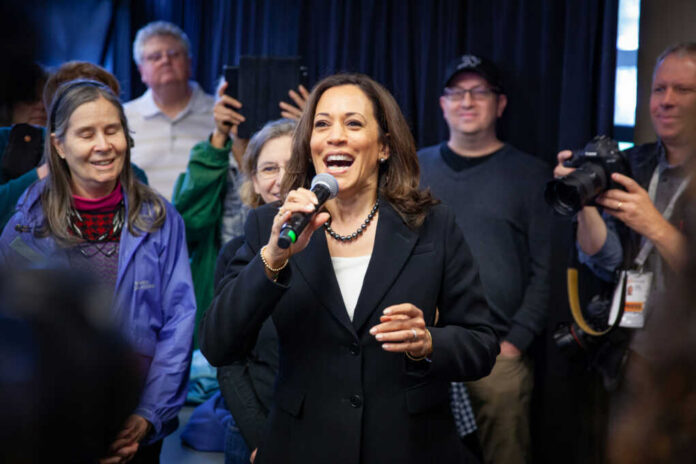
Former Vice President Kamala Harris responded to direct questions about a 2028 presidential run with non-committal phrases during two public appearances in April 2026. At the National Action Network convention, Rev. Al Sharpton asked if she would run again. Harris replied, “Listen, I might. I might. I’m thinking about it,” adding she would keep people posted. She emphasized serving the American people by considering who can best do the job. These remarks followed her unsuccessful 2024 campaign against President Trump.
Interview Adds to Speculation Without Commitment
In a live video call with author Sharon McMahon, Harris faced a lightning-round question on 2028. She stated, “I haven’t decided… I might,” underscoring her experience by noting, “I know what the job is.” This exchange, timestamped before April 16, 2026, quickly went viral on platforms like YouTube. Media outlets framed her words as a “bombshell,” igniting global conversation despite no formal announcement. Harris’s history as California Attorney General, Senator, and Vice President under Biden sets the context for renewed interest.
Democratic Field Shifts Amid GOP Dominance
Harris’s comments revive discussions in a Democratic Party still reeling from 2024 losses. With Republicans controlling the Senate and House under President Trump’s second term, Democrats face obstruction challenges while pushing back against America First policies. Speculation swirls around rivals like Gavin Newsom, rumored to consider dropping out. Harris positions herself via public service rhetoric, but critics highlight her past defeats and viral awkward moments that fueled mockery during her tenure.
Supporters see potential in her name recognition, yet online reactions mock the indecision post-2024 failure. This fits a pattern of post-loss engagements testing waters, echoing speculation after Biden’s 2024 withdrawal.
Kamala Harris’s awkward gas station video is fueling new speculation about her 2028 presidential ambitions.
The former vice president releasing a video from a North Carolina gas station attacking President Trump and his policies, blaming the war in Iran for higher fuel prices… pic.twitter.com/9NytmD6DZb
— Fox News (@FoxNews) April 16, 2026
Implications for 2028 and Public Frustrations
Harris’s ambiguity fuels short-term media cycles and Democratic primary buzz, potentially reshaping the 2028 field if she commits. Long-term, it could energize fundraising or fade into irrelevance. Affected parties include nomination hopefuls and Harris loyalists. Politically, it amplifies debates in a polarized landscape where both conservatives and liberals express distrust in government elites prioritizing reelection over solving inflation, immigration, and energy cost crises. Many Americans across the spectrum yearn for leaders focused on the founding principles of limited government and individual initiative. This development underscores shared voter fatigue with unfulfilled promises from both parties.