A divided sports ritual risks turning one national anthem into two Americas—again.
Story Snapshot
- Angel Reese said she sang “Lift Every Voice and Sing” as fans booed in Indiana [1].
- Reese tied the moment to her identity and past harassment she says she faced [1].
- Reports differ on why fans booed, citing rivalry as a possible reason [3].
- Debate over separate anthems echoes a wider fight about unity in sports.
Reese’s Account Of The Booing And Why She Says It Mattered
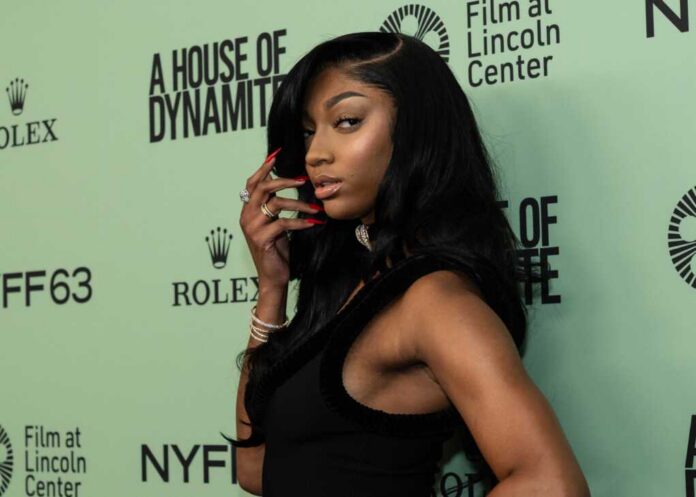
Angel Reese told reporters she heard “loud boos” in the Indiana Fever arena as she sang “Lift Every Voice and Sing” before Juneteenth. She said it felt like a tribute to those who “walked” before her and called it “a privilege” to be a Black woman in that moment. She added that she will not stay silent about her beliefs and linked the reaction to “a lot of racism” and online abuse she says she has faced in recent years [1].
Reese also said representation matters when young Black children see “a Black girl being able to run up and down the court.” She framed the pregame performance as part of that mission. Her comments came after a Fever–Dream matchup that already carried attention due to league storylines and star players. The timing near Juneteenth gave the anthem added meaning for some fans and added tension for others who are tired of politics in sports coverage [1].
What We Know, What We Do Not, And Why The Details Matter
The strongest verified facts come from Reese’s on-record remarks and secondary reports that quote her words. The reports do not include full arena audio analysis, primary interviews with booing fans, or team security logs. That means we cannot prove whether the boos targeted Reese, the anthem choice, or normal road-team rivalry. One outlet suggested the animosity may have been multi-causal and not racial in intent, which keeps motive an open question for now [3].
Conservatives should insist on clear evidence before judging intent. Independent audio, full video, and sworn accounts from staff and fans would clarify how loud the boos were, when they rose, and whom they targeted. Without that, social media clips can inflame a story that may be less clear in context. The gap between perception and proof is the space where culture-war narratives grow and trust breaks down, both in sports and in civic life [1].
Why The “Two Anthems” Fight Keeps Returning To Center Court
“Lift Every Voice and Sing” holds deep history for many Americans, and leagues have featured it more often since 2020. But many fans view multiple anthems before a game as a political split that chips at a shared civic ritual. They argue sports should unite the crowd under one flag and one song, not segment it by identity. When leagues spotlight separate anthems, critics see branding choices that feel more divisive than inclusive to the paying public [3].
Angel Reese opens up on singing Black National Anthem while Fever fans booed her | OutKick https://t.co/S7VatHYa0r
— Sixxtoes (@sixxtoesbrah) June 21, 2026
That is the tension here. Reese says the song honored those who came before her and inspired kids who look up to her [1]. Some fans, however, hear a message that places identity over a common bond. Both views are real in the stands. The question for leagues is simple: do pregame ceremonies bring people together or push them apart? If the answer is the latter, attendance, ratings, and trust will keep slipping, and culture will replace competition as the main event.
Policy And Principles: Keep Sports For Everyone, Keep Speech Free
Free speech protects players who choose to sing and fans who choose to cheer or boo. But leagues set the stage. If they program ceremonies that many see as political, they should expect pushback. The better path puts the game first, honors one national anthem for all, and keeps civic rituals simple and shared. That approach respects individual liberty while guarding unity—core conservative principles that help cool tempers and return focus to the scoreboard, not the pregame script.
Sources:
[1] Web – Angel Reese opens up on singing Black National Anthem while Fever fans …
[3] Web – Neighbors, how did they do? 🎥: @essence