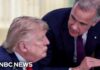
Britain just used “counter-terror” powers to detain a right-wing activist at an airport and seize his phones, raising fresh alarms about speech and privacy.
Story Highlights
- Tommy Robinson says Heathrow officers held him nearly three hours and took his phones [5].
- Media reports say the stop used powers in the 2019 counter-terror border law [8][9].
- Supporters call it political harassment; officials frame it as lawful security screening [8][9].
- Broad port powers let UK officers stop, question, and examine devices without charges [9].
Heathrow Stop Under Counter-Terror Law
Tommy Robinson said police stopped him at London’s Heathrow Airport and held him for almost three hours. He said officers seized his phones and cited a border power in the United Kingdom’s 2019 counter-terror and security law. Sky News reported the same framing and that devices were taken. The Irish Times reported he was stopped under that statute and had phones seized. Officials have not released a full account yet, beyond those reports and posts [5][8][9].
Robinson’s account came first on social media, where he used sharp language to slam the stop. He said the action treated him like a terrorist and targeted his speech. Newsrooms quickly echoed the basics, including the claim about a near three-hour hold and the phone seizure. Those brief reports match the pattern of border stops under the law, which often appear without a quick public record and leave details thin at the start [5][8][9].
What UK Border Powers Allow Officers To Do
The 2019 counter-terror border law gives officers wide power at ports and airports. Officers can stop, question, search, and detain people crossing the border. Officers can examine devices and copy data without making an arrest or bringing charges on the spot. That reach is by design, but it also creates risk. A stop can look routine to officers yet feel like a gag to the person held, especially when phones are taken and the person is a known critic [9].
These powers sit where travel, speech, and security meet. That is why they spark fierce debate. Backers say the tools help detect hostile acts and protect the public. Critics say they sweep too wide and chill speech. When the target is a polarizing figure, both sides rush to frame the story. That is happening here. Supporters say the state used terror powers to hassle a government critic. Officials point to the law and standard screening steps at the border [8][9].
Facts Confirmed So Far, And What Is Not Known
What is confirmed: Robinson says he was held for the “best part of three hours,” and that his phones were taken. Major outlets reported the stop happened under the 2019 law and that devices were seized. What is not confirmed: the reason officers used the power, what questions they asked, and whether data was copied. No charge tied to this stop has been reported at this time in the cited coverage [5][8][9].
🇬🇧 TOMMY ROBINSON DETAINED UNDER COUNTER-TERROR POWERS AT HEATHROW
Tommy Robinson was detained at Heathrow Airport for almost three hours under Schedule 3 of the Counter-Terrorism and Border Security Act 2019. Police also seized his phone during the detention.
Many people will… pic.twitter.com/2hLQHtKxEv
— British Intel (@TheBritishIntel) June 14, 2026
Readers should watch for formal statements and any paperwork. Border stops often become clearer once official notices or court records appear. Until then, the concern is real and simple. A government can call something “security,” but that label does not erase free speech, due process, or basic privacy. When a state can take your phone at the gate, it must show restraint and clear limits. That test matters most when the target is unpopular or loud.
Why This Matters To Americans Who Value Liberty
American readers know this pattern. Big powers grow in the name of safety. Then they creep. Tools built to hunt terrorists end up used on political pests and reporters. The United States has its own fights over warrants, device searches, and watchlists. We back law and order. We also insist on rights. Conservatives should demand tight rules, real oversight, and fast disclosures when border agents grab devices or hold travelers without charges [9].
Allies matter too. The United Kingdom is a close partner. When it normalizes device seizures from dissidents under sweeping border rules, that posture drifts into our shared space. It shapes how agencies on both sides treat speech, protest, and press. Friends tell friends the hard truth. Security is vital, but unchecked powers always boomerang. If officials have grounds, they should state them. If they do not, they should give the phones back and move on [8][9].
What To Watch Next
Watch for a formal statement from United Kingdom authorities that explains the legal basis and scope of the phone examination. Look for whether data was copied, how long it will be held, and any path to appeal. Track if Robinson pursues legal relief, which could force disclosures and set limits. Those answers will show if this was a narrow, justified border screen or a wide net that chills speech under the banner of fighting terror [8][9].
Sources:
[8] X – Tommy Robinson detained at Heathrow airport under counter …
[9] Web – Tommy Robinson says he’s been detained at Heathrow | UK News