Yemen warned the United Nations that Houthi gains near the Bab el-Mandeb Strait now endanger global trade and energy flows.
Story Highlights
- Yemen told the United Nations the Houthis are weaponizing navigation and risking the world economy.
- The United Nations Security Council met in emergency session on the Bab el-Mandeb crisis.
- Shipping data and reports show slowdowns and threats after Houthi strikes and advances.
- Houthis claim non-Saudi ships are safe, but governments warn the risk is broader.
Yemen’s Warning To The World Economy
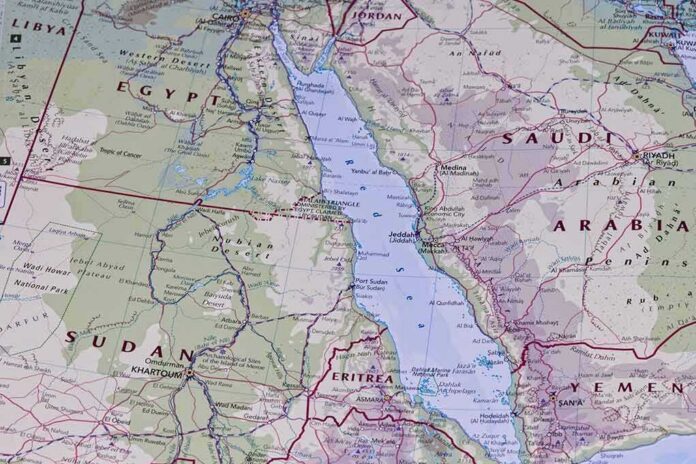
Yemen’s government told the United Nations that Houthi moves near the Red Sea chokepoint threaten everyone who depends on oil and goods moving on time. The Yemeni vice president said the militants are using the safety of navigation as blackmail and holding the world economy hostage. That message hit as fresh reports showed more Houthi reach along the coast and islands. Leaders stressed that even a partial disruption at Bab el-Mandeb can raise costs, delay deliveries, and push up fuel prices for families worldwide.
United States readers know the drill. When tankers slow or reroute, prices jump at the pump, and shipping costs feed inflation. The risk is not only a full closure. A narrow strait makes harassment, mines, or drone threats enough to scare insurers and masters. That alone can force longer routes around Africa. The Yemeni statement matches what many have felt since late 2023: one armed faction can shake markets far beyond the battlefield, and regular people end up paying more to drive and eat.
United Nations Convenes Emergency Session
The United Nations Security Council met in emergency session to address the Bab el-Mandeb crisis and wider Yemen fighting. Briefers warned about rising displacement and the danger to a corridor that carries vital energy and trade. Diplomatic pressure also rose against Iran’s support for the Houthis, with broad calls to stop arming groups that hit civilian shipping. These steps show the world sees this as a systemic threat, not a local scuffle. A chokepoint outage can ripple through every port and store shelf.
Reuters and other outlets have tracked the on-the-water impact. After claimed Houthi attacks on Saudi oil assets and tankers, ship traffic through Bab el-Mandeb fell, while tension spread to other lanes as well. Even brief dips matter. Companies plan months ahead, and many cannot risk a ship, crew, or cargo. Once diverted, fleets take weeks to return. That lag means higher freight bills, thinner store inventories, and tighter diesel markets for truckers. The math is simple: fewer safe miles, higher costs, harder times for working families.
What The Houthis Say Versus What Shippers See
Houthi spokesmen say maritime navigation is safe for all but Saudi vessels, and they frame their actions as targeted and defensive. They deny plans to shut the strait and claim they will keep trade flowing for others. That line tries to calm insurers and pressure rivals at the same time. But selective bans still break the basic rule of free passage. Ships do not run well on guesswork about who is “safe” today. The pattern of strikes and close calls keeps risk high, no matter the talking points.
Governments, maritime advisers, and trade analysts warn that the real hazard is leverage and uncertainty. A small threat near a narrow lane can move markets and change routes fast. The U.S. maritime advisories since 2023 have logged dozens of attacks and constant warnings. That record explains why global bodies treat this as a broad danger, even if the militants claim narrow aims. Yemen’s message to the United Nations adds urgency: leave this unchecked and the damage spreads from the Red Sea to every household budget.
What This Means For American Families And Policy
American drivers, farmers, and small businesses feel these shocks first. Higher fuel costs raise grocery prices and shipping fees. Truckers pay more for diesel. Families see it in heating and food. President Trump has pushed to deter attacks, back allies, and keep lanes open. Strong naval escorts, tighter sanctions on sponsors, and clear rules of engagement help restore deterrence. A united front at the United Nations also raises the cost for anyone who tries to choke a global artery and threaten energy security.
Common sense steps at home matter too. America must grow energy supply, expand refining, and secure spare shipping capacity. That lowers the bite from foreign shocks and keeps pressure off families. Washington should also keep working with regional partners to stabilize Yemen’s coast, deny militants new launch points, and protect islands near the strait. The goal is simple and shared: free passage, no ransom on world trade, and no more leverage for groups that put politics over people’s livelihoods.
Sources:
youtube.com, reuters.com, apnews.com, aa.com.tr