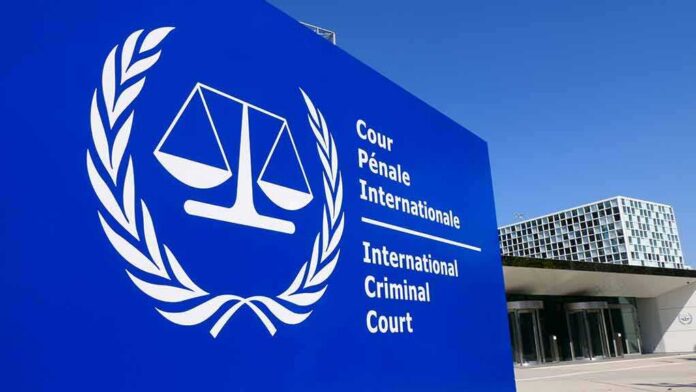
A federal judge kept President Trump’s sanctions on International Criminal Court judges in place, signaling courts will defer to U.S. sovereignty and security concerns for now.
Story Highlights
- A judge refused to block sanctions on three International Criminal Court judges tied to probes of Americans and Israelis.
- Executive Order 14203 rests on federal law and a national emergency finding under economic powers statutes.
- The court cited strong deference to the elected branches on foreign policy and security.
- Most claims were tossed; one administrative law challenge continues without halting sanctions.
Court Declines to Halt Sanctions on ICC Judges
United States District Court records show the judge denied a request to pause President Trump’s sanctions on three International Criminal Court judges while the case proceeds. The plaintiffs sought a preliminary injunction. The court refused and said it must give substantial deference to the elected branches on foreign policy and national security. The ruling keeps sanctions active during the case. The court’s order covers Judges Kimberly Prost, Solomy Balungi Bossa, and Reine Alapini-Gansou.
The court also granted the government’s motion to dismiss most claims, while allowing one claim under the Administrative Procedure Act to move forward. That claim questions whether the designations were arbitrary or capricious. The decision did not decide the final legality of the sanctions. It did decide that the challengers did not meet the high bar needed to freeze a national security action mid-case.
What EO 14203 Does and Why It Was Issued
Executive Order 14203, signed February 6, 2025, uses the International Emergency Economic Powers Act to block property and limit entry for persons who target protected U.S. and allied personnel through International Criminal Court actions. The order cites threats to U.S. sovereignty and foreign policy when the court seeks to investigate, arrest, detain, or prosecute Americans or partners. The order authorizes designations by the Secretary of State, with Treasury enforcing.
The sanctions include asset blocking for designated persons within U.S. jurisdiction or held by U.S. persons. Treasury issued general licenses to keep certain legal services and payment channels clear, which helps Americans avoid penalties for defined work. General Licenses 2 and 3 outline authorized legal services and permitted payments, drawing lines to protect lawful advice while keeping pressure on targeted officials.
Link to ICC Actions Involving Americans and Israelis
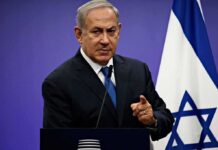
Reporting connected the order to International Criminal Court activity on U.S. personnel in Afghanistan and on Israeli leaders over the Gaza war. The administration argued those steps cross lines that challenge U.S. sovereignty and put American and allied personnel at risk. The court’s refusal to halt sanctions means that rationale, for now, stands in policy and in practice while litigation continues.
The judge stressed limits on the court’s role when the President invokes national security tools. The court said it is “not free to second guess” such decisions at this early stage. That judicial posture aligns with long-standing precedent giving the executive and Congress room to act in foreign affairs. The case continues, but with sanctions intact and leverage preserved for the United States.
Free Speech Rulings and Narrow Carve-Outs
Separate litigation brought by advocacy groups led to a nationwide bar on punishing Americans for speech-based work with the International Criminal Court. A federal judge held that applying the services ban to speech and association violated the First Amendment. That ruling protects domestic speech and advocacy, while the core sanctions against designated foreign judges remain in effect in the Prost case for now.
Those outcomes together draw an important line: Americans can speak, publish, and submit analysis without fear of penalties, but designated foreign officials can still face blocked assets and travel limits. Treasury’s general licenses on legal services also help give clarity to lawyers and groups acting within the rules. These steps aim to protect constitutional rights at home while holding firm abroad against efforts that could endanger U.S. service members and allies.
What This Means for Sovereignty and Security
The court’s decision keeps President Trump’s leverage intact against international overreach while litigation proceeds. The ruling recognizes the President’s authority to defend U.S. sovereignty when foreign bodies target American troops and officials. The administrative law claim will test whether the government’s designations were reasoned and lawful. Until then, the message is clear: the United States will guard its people and partners, and courts will not lightly undo that shield.
Sources:
zerohedge.com, news.bloomberglaw.com, lawandcrime.com, courthousenews.com, ofac.treasury.gov, govinfo.gov, aol.com, dawnmena.org