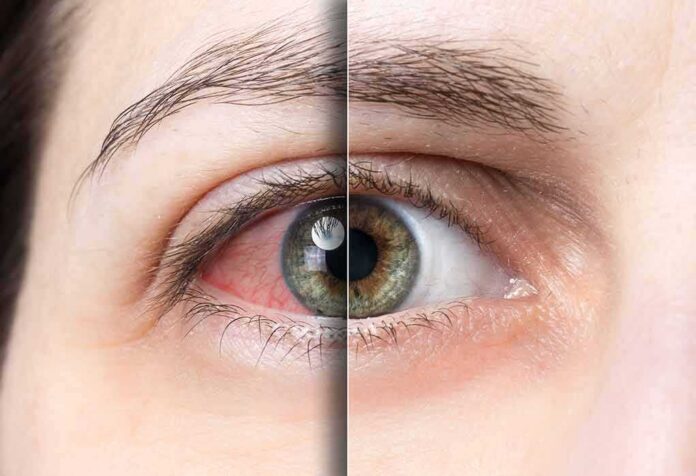
A new federal warning says popular weight-loss and diabetes shots may carry a rare risk of sudden vision loss.
Story Snapshot
- The Food and Drug Administration ordered class-wide labels on GLP-1 drugs for a rare eye condition.
- The agency cites a potential increased risk of non-arteritic anterior ischemic optic neuropathy.
- The warning covers Ozempic, Wegovy, Zepbound, and every drug in the GLP-1 class.
- Patients should seek eye care fast if vision drops suddenly in one eye.
FDA Orders Class-Wide Eye Risk Warning On GLP-1 Drugs
The Food and Drug Administration (FDA) now requires every glucagon-like peptide-1 drug to add a warning about a potential risk of a rare eye condition called non-arteritic anterior ischemic optic neuropathy. The order applies across the entire class, including semaglutide, tirzepatide, liraglutide, dulaglutide, exenatide, lixisenatide combinations, and others. The agency says patients and doctors need clear information so they can act fast if vision drops without pain or warning in one eye.
The FDA based the action on a broad safety review that pooled data from randomized trials and other evidence. Across 126 trials, the agency saw 15 probable cases of the eye condition, with an incidence of 6.4 per 100,000 patient-years among users versus 3.8 in placebo or comparator groups. The numbers are small, but the outcome can be severe and sometimes permanent, so the FDA chose to update labels to improve early detection and care.
What The New Labels Tell Patients And Doctors To Do
The new language instructs patients to report sudden, painless vision loss or missing areas in their field of view right away. Doctors should arrange an eye exam promptly if the condition is suspected. The agency says prescribers should consider stopping the drug if the diagnosis is made, unless the expected benefit clearly outweighs the risk for that person. This approach aims to protect sight while preserving needed treatment for diabetes or obesity.
The FDA also issued a safety notice through its MedWatch program to spread the message beyond labels. The alert repeats that the signal reflects a potential risk, not proven causation, but urges action if symptoms appear. This balanced stance is common in post-market drug safety when events are rare but serious. It helps families make informed choices with their doctors, without panic or delay in care when warning signs show up.
Who Is Affected And How Rare Is The Risk
The warning reaches every approved drug in the GLP-1 class, not just one brand. That includes medicines taken for type 2 diabetes and those used for weight loss. Regulators in Europe and other countries added similar warnings earlier this year for some products, so the United States update brings labels into closer alignment with those markets. That helps reduce confusion for patients who travel or read global health news.
The eye condition remains uncommon, but the impact can be life-changing for the few who face it. The Food and Drug Administration’s analysis estimates only a handful of cases per 100,000 patient-years, yet the possibility of permanent damage led to this step. Patients with diabetes, high blood pressure, or sleep issues may already have higher baseline risks for eye problems. That is why fast reporting of vision changes and quick evaluation matter so much now.
What This Means For Families Managing Diabetes Or Obesity
Families using these drugs should not stop treatment on their own. They should watch for sudden, painless vision changes, call their doctor if they occur, and keep regular checkups. Doctors will weigh eye risks against proven benefits like better blood sugar control and weight loss. The goal is informed choice and prompt care, not fear. The Food and Drug Administration’s action gives clearer guidance so patients can react quickly and protect their sight while managing their health.
Sources:
townhall.com, fda.gov, goodmorningamerica.com, pharmacytimes.com, usatoday.com, biospace.com