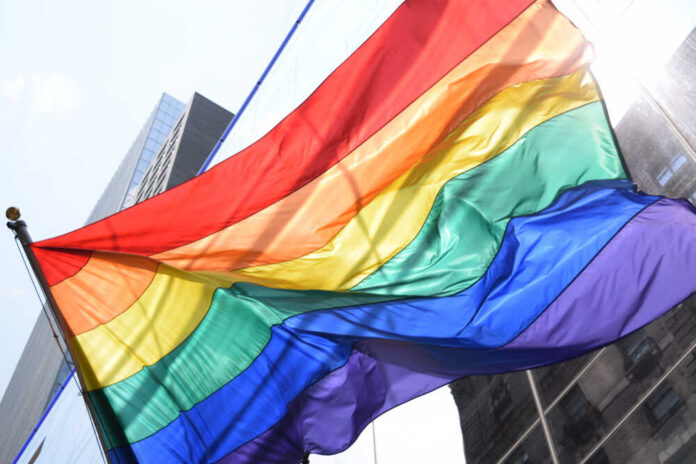
A Catholic university is letting students swap serious Bible study for a “queer theologies” class that openly rewrites Christian teaching in light of modern identity politics.
Story Snapshot
- University of Portland now lets students replace an upper-level biblical texts requirement with “Queer Theologies.”
- The course description highlights affirming same-sex relationships and revising theology based on “queer lives.”
- The theology department is being renamed “theology and religious studies,” signaling a shift away from classic catechesis.
- Critics warn this represents a deeper crisis of Catholic identity and a warning sign for Christian higher education.
Catholic Requirement Replaced With Queer Theology Elective
University of Portland, a Roman Catholic school in Oregon run by the Congregation of the Holy Cross, has formally added a course titled “THE 362: Queer Theologies” to its theology offerings and allowed it to stand in for an upper-level biblical texts requirement.[6][7] Reporting on a recent curriculum change says students who once had to complete “Biblical Texts in Global Context” may now choose among several upper-division classes, including “Queer Theologies,” to satisfy their second theology requirement.[1][2] This moves a once-standard scripture course into an optional track.
The university’s own materials confirm this structural shift. The bachelor of arts in theology and religious studies is advertised as immersing students in theological sub-disciplines “from a Catholic ecumenical perspective,” language that already emphasizes breadth over confessional clarity.[6] The new elective menu places “Queer Theologies” alongside classes like “Sex and Sacred Texts” in a routine two-year course schedule, signaling that these offerings are not fringe experiments but embedded in the ordinary program. For many faithful Catholics, that sends a louder message than any press release.
What “Queer Theologies” Actually Claims To Do
The official catalog description is blunt about the course’s direction. “THE 362: Queer Theologies” promises to “introduce, explore, and evaluate queer Christian theologies,” explicitly calling this a “burgeoning theological sub-field.”[7] The description, quoted by Christian Post, adds that the class traces developments of “queer(ing) theologies—from early turns to Scripture/doctrine affirming same-sex relationships, to efforts revising theologies in light of queer lives.”[1] In plain terms, students are invited not merely to discuss pastoral questions, but to consider reshaping theology around contemporary sexual identities.
University defenders stress that the wording “introduces, explores, and evaluates” signals academic study rather than an altar call to activism.[7] They view queer theology as one topic among many in a modern curriculum, arguing that honest engagement requires reading even those thinkers who challenge traditional teaching. Yet critics counter that when a Catholic institution devotes an entire elective to theological frameworks built on affirming same-sex relationships and revising doctrine, the implicit endorsement is unmistakable, especially for undergraduates still forming their understanding of the faith.[1][2]
Department Redefinition And The Question Of Catholic Identity
The curriculum change is accompanied by a symbolic shift: the theology department is being renamed “theology and religious studies.”[2] On paper, that sounds academic and neutral. In practice, it aligns with a decades-long pattern at Catholic schools where theology is reframed as one religious perspective among many, rather than the church’s own self-understanding taught within an obedient framework. The department chair reportedly justified the change as a way to give students “more autonomy” and courses that “align with their faith traditions.”[2]
Such language may reassure diversity offices, but it raises alarms for Catholics who believe a church-sponsored university should privilege the Catholic faith, not treat it as one option on a spiritual buffet. The program page’s emphasis on a “Catholic ecumenical perspective” and “critical thinking” fits the wider trend of institutions leaning on broad branding while sidestepping whether every course actually upholds magisterial teaching on marriage, sexuality, and the human person.[6] The absence of any cited diocesan oversight or formal doctrinal review for “Queer Theologies” only deepens those concerns.[6][7]
Unverified Claims, Real Concerns, And A Broader Warning
Some coverage has framed the controversy around allegations that a lesbian pastor teaches the queer theology course. The available public record, however, does not identify the instructor for “THE 362: Queer Theologies,” nor does it document a specific lesbian pastor in that role.[1][2][7] Without registrar data or a syllabus, that detail remains unverified. Responsible criticism must acknowledge that gap, because overstated claims allow secular and progressive defenders to dismiss the entire debate as misinformation.
Even without that detail, the core facts are troubling enough for anyone who cares about Christian education. A Catholic-branded university is intentionally allowing students to bypass focused biblical study in favor of an elective built around affirming queer interpretations and revising theology in light of modern identities.[1][2][7] Critics within the Catholic world have not minced words, calling this kind of shift “functional apostasy” and a “radical rejection” of Catholic moral teaching.[1][2] Whether or not one accepts that label, the move represents a concrete step away from clear, objective doctrine toward the fluid, politicized spirituality that has already hollowed out many mainline Protestant denominations.
What It Means For Parents, Students, And The Culture Fight
For conservative families, the lesson is painfully familiar. The label “Catholic” or “Christian” on the brochure no longer guarantees that a school will teach your children in line with historic, biblical Christianity or natural law. Universities know many parents still long for moral clarity, so they speak of “faith, meaning, and purpose” and “serving others,” while quietly swapping catechesis for courses built around queer theory and intersectional grievance.[1][2][6] The University of Portland’s queer theology elective is one more data point in that trend, not an isolated anomaly.
In an era when the federal government under President Trump is battling leftist ideology in agencies and public schools, private universities remain a major pipeline for the very worldview that undermines family, church, and constitutional order. Parents and donors must ask hard questions, demand syllabi, and be prepared to walk away from institutions that trade the clarity of the Gospel for the applause of the academic guild. No administration in Washington can protect our children from campuses we voluntarily fund if we refuse to draw the line ourselves.
Sources:
[1] Web – University of Portland offers ‘queer theologies’ course – Christian …
[2] Web – U. Portland theology majors no longer have to take ‘Biblical Texts’
[6] Web – BA in Theology & Religious Studies | University of Portland
[7] Web – THE 362 Queer Theologies – University of Portland