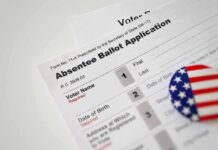
The Justice Department sued California after identifying more than 20,000 likely noncitizens tied to voter registrations and mail ballots, and it wants those ballots set aside until citizenship is verified.
Story Highlights
- Justice Department filed a federal lawsuit seeking to pause counting certain California ballots.
- Federal officials said a list shows 20,000-plus likely noncitizens tied to registrations or ballots.
- Letters gave state officials 48 hours to review names and segregate ballots for verification.
- California leaders dispute the claim and call the suit unfounded, setting up a fast court fight.
What The Federal Lawsuit Demands Right Now
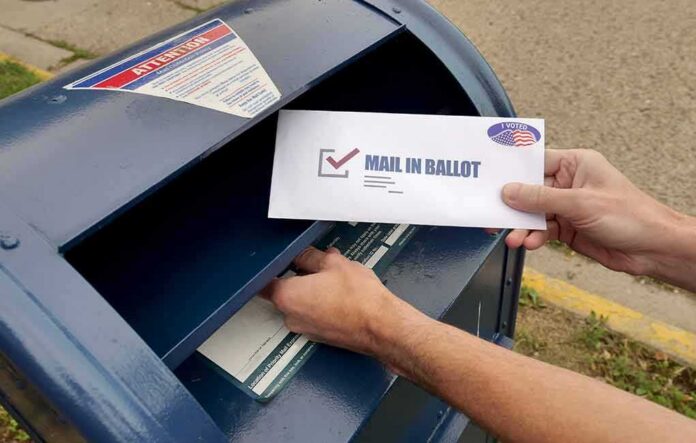
The Justice Department filed United States v. State of California in federal court on October 15, 2026. The complaint asks a judge to bar California from tabulating vote-by-mail ballots linked to people the government says are likely noncitizens until each voter’s citizenship is confirmed. The filing targets a defined group and a specific step in the process: pause counting those ballots, verify status, then proceed. The department says this safeguard protects lawful votes without sweeping, last-minute purges.
The government describes the remedy as narrow and tied to the factual question of citizenship. Officials are not asking to void the election, stop all counting, or mass-cancel registrations. They seek a temporary set-aside for ballots associated with flagged names, followed by joint or independent checks. The approach aims to prevent unlawful votes from entering the totals while allowing citizens to be counted once confirmed. The goal is clear: trust but verify before votes hit the tally.
How The 20,000 Figure Was Developed And Delivered
Federal officials say they worked with the Department of Homeland Security to build a list of more than 20,000 people “likely” to be noncitizens who were registered and/or sent vote-by-mail ballots in California. They transmitted the names to state and county officials on a password-protected drive for review. The number is large enough to matter in close races, yet the list remains shielded due to privacy and security limits, which slows public scrutiny of each match.
Acting Deputy Attorney General Trent McCotter sent letters to California’s secretary of state and to Los Angeles County’s registrar on October 14. The letters gave a 48-hour window to obtain the list, review the names, and segregate ballots that could not be verified as belonging to citizens. When the deadline passed, the department moved to court. California officials pushed back, saying the timing and demands were not workable so close to counting operations and called the suit unfounded.
California’s Response And The Open Questions
California officials and the governor’s office dispute the claims and question the process. They argue the department’s timeline was unrealistic and say the lawsuit arrived without enough transparency to test the federal matches at scale. They maintain the state follows eligibility rules and runs checks like signature review. The clash now goes to a judge, who must weigh federal claims of risk against state concerns about rushed list-matching and voter disruption in the final stretch.
The public record so far does not show how the federal list was matched, what error rate it carries, or how many flagged individuals actually returned ballots. The department framed the group as “likely” noncitizens, which distinguishes suspicion from proof. That gap matters. Ballots from citizens must count. Ballots from noncitizens cannot count under federal law. The court’s task is to design a fast, fair check that filters errors without sidelining lawful voters in the process.
Why This Fight Matters To Election Integrity
Federal law bars noncitizens from voting in federal elections, and the Justice Department says its request is about basic guardrails, not politics. A pause-and-verify order would protect every legal ballot by keeping unlawful votes out. Conservatives have long warned that loose rolls and mass mail voting can invite errors and abuse. Supporters see this suit as a measured way to fix a concrete risk before results are final, not months later when trust is already lost.
At the same time, broad database sweeps can misfire if they rely on weak matches. Courts and election experts have warned that bad matching can flag the wrong people and cause false positives, especially with common names and old records. The clean answer here is quick, documented checks with clear standards and a paper trail. That path can protect citizens’ rights and block illegal votes. The judge’s order will set the pace and the rules for that work.
Sources:
cbsnews.com, justice.gov, sfchronicle.com, pbs.org, washingtonpost.com