A new Pentagon order bans troops and defense staff from using inside military information to place bets on real operations.
Story Highlights
- Defense Secretary Pete Hegseth barred betting with classified or other nonpublic military information.
- The memo warns of administrative and criminal penalties, including under military law.
- The move follows charges against an Army special forces soldier for alleged insider bets tied to a Maduro raid.
- Regulators allege the soldier made a series of trades on Polymarket using sensitive information.
Hegseth’s Directive Targets Insider Betting on Military Missions
On October 20, 2026, Defense Secretary Pete Hegseth issued a directive banning Department of Defense personnel from using classified or other nonpublic information to place wagers on military operations. Reporting states the memo cites prediction markets like Polymarket and Kalshi. It warns that violations can bring administrative action or criminal charges under federal law or the Uniform Code of Military Justice. The directive applies across the Pentagon workforce, including service members and civilian employees.
Hegseth’s order covers unclassified but nonpublic information as well as classified material. That matters because operational details often move through planning channels that are not public but may not meet formal classification levels. The memo’s reach aims to shut down gray areas where inside schedule shifts, targeting windows, or mission readiness updates could fuel profitable bets before a mission. Coverage of platforms by name signals that monitoring and referrals are on the table.
Alleged Case Illustrates How Inside Knowledge Can Become Cash
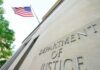
The Department of Justice charged an Army special forces soldier in April 2026 for allegedly using mission details about an operation to capture Nicolás Maduro to profit on prediction-market trades. Prosecutors say he joined planning and execution steps for the mission and then bet on related contracts tied to the outcome. The government charged him with fraud and misuse of confidential information. An indictment is an allegation, not a conviction, but the case shows how access can convert into money.
The Commodity Futures Trading Commission filed a civil complaint the same day, detailing a pattern of trades on Polymarket linked to the operation. The complaint alleges he used sensitive nonpublic information in breach of duty to make bets ahead of the event. Media reports describe multiple wagers and a meaningful dollar amount, suggesting more than a one-off guess. Regulators say such trading can violate anti-fraud rules that bar using misappropriated material nonpublic information.
Why the Ban Aligns With Ethics, Security, and Common Sense
Executive-branch ethics rules already forbid federal workers from using nonpublic government information for personal gain. Hegseth’s directive takes that standard and applies it clearly to prediction markets and traditional betting when military operations are in play. The Pentagon’s mission demands trust, discipline, and clean incentives. If a person could win more money by moving a strike date or sharing a hint, that conflict can warp judgment and put troops at risk on the ground.
A Pentagon memo has highlighted concerns that insider information is being used in prediction markets to the detriment of US troops. Insider betting is putting their lives at risk by giving enemy forces crucial intelligence on military operations. This has been a growing concern…
— The Wire Brief – Breaking News (@TheWireBrief) October 24, 2026
The memo’s enforcement note is direct: violations may face administrative penalties or criminal charges. That signals the rule has teeth and ties into existing law and the Uniform Code of Military Justice. It also helps commanders set bright lines for their people. Public reporting has not published the full memo text, so some definitions are not visible. But the core policy is plain: no betting with inside military information, whether the data is stamped classified or simply not public.