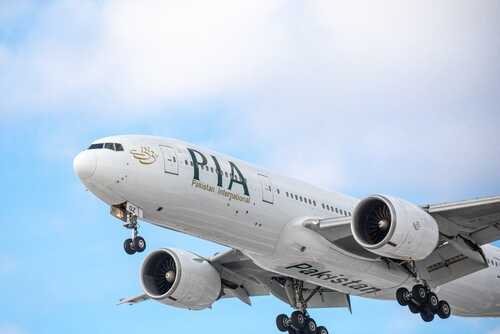
After five years of being locked out of British airspace, Pakistani airlines are officially back, marking a major milestone amid lingering concerns about safety and management in Pakistan’s aviation sector.
At a Glance
- Britain lifted its ban on Pakistani airlines on July 16, 2025, after safety reforms and inspections.
- The ban followed a deadly PIA crash and revelations that nearly a third of Pakistan’s pilots had fake licenses.
- PIA suffered massive financial losses and damage to its reputation during the ban.
- Flights could resume pending individual British operating permits.
- Skeptics question whether reforms have truly addressed deep-rooted issues in Pakistan’s aviation industry.
From Crisis to Conditional Clearance
Pakistan International Airlines (PIA) was once a symbol of national pride but became a cautionary tale after decades of mismanagement. The tipping point came in May 2020 with the crash of PIA Flight 8303, which killed 97 people and exposed systemic failures. The scandal worsened when the Aviation Minister admitted that many pilots held fake licenses, prompting the UK, EU, and U.S. to ban Pakistani carriers.
These bans cost PIA approximately $144 million annually and disrupted travel for Pakistan’s 1.6 million-strong UK diaspora, forcing detours through Gulf hubs. The UK routes were particularly lucrative, and losing them was a severe financial blow.
Reform Efforts and Remaining Doubts
Pakistan’s Civil Aviation Authority undertook reforms, firing fake pilots and submitting to international inspections. The EU lifted its ban earlier in 2025, and now the UK has followed after confirming improved standards at Islamabad International Airport. Officials from both countries hailed the collaborative effort, with Prime Minister Shehbaz Sharif calling it a “milestone” for Pakistanis in Britain.
Yet industry experts remain wary. PIA’s issues—ballooning payrolls, crushing debt, political interference—are far from resolved. A recent failed privatization attempt revealed the market’s skepticism about the airline’s viability. Aviation scholars caution that real reform requires cultural change, not just regulatory fixes.
Watch a report: Pakistan Airlines Allowed Back Into UK Skies After Five-Year Ban
Winners, Losers, and Ongoing Risks
The Pakistani diaspora stands to benefit from direct, more affordable flights, easing travel burdens. PIA employees may enjoy short-term job security. However, the central question remains safety: will Pakistan sustain rigorous oversight, or is this reprieve a gamble?
The UK’s decision sends a message of cautious optimism but also underscores the necessity for ongoing independent monitoring to avoid repeating past mistakes.
A Wider Lens
Beyond aviation, this episode reflects the challenges of government-run enterprises plagued by corruption and mismanagement—a warning about the difficulty of genuine reform when political interests prevail.
For the UK-Pakistan relationship, the ban lift could boost trade, tourism, and diplomatic ties, but only if safety and governance continue to improve.
The skies are open once more, but Pakistan’s airlines face a critical test: proving they’ve truly earned their wings or risking another costly downfall.