Iranian drone strikes on Oman’s critical oil infrastructure mark a dangerous expansion of Middle East conflict that threatens America’s energy security and global economic stability.
Story Snapshot
- Multiple drones struck fuel storage tanks at Oman’s strategic Port of Salalah on March 11, 2026, igniting massive fires despite air defense interceptions
- The attack represents Iran’s escalation from military targets to civilian energy infrastructure at a neutral nation’s port during the 13-day-old Iran-US-Israel war
- Global shipping giant Maersk halted operations while Iran denies responsibility and claims a “false flag” operation despite visual confirmation from independent security firms
- The strike threatens global oil supply chains and shipping routes critical to American energy interests and economic security
Iran Expands War Beyond Military Targets
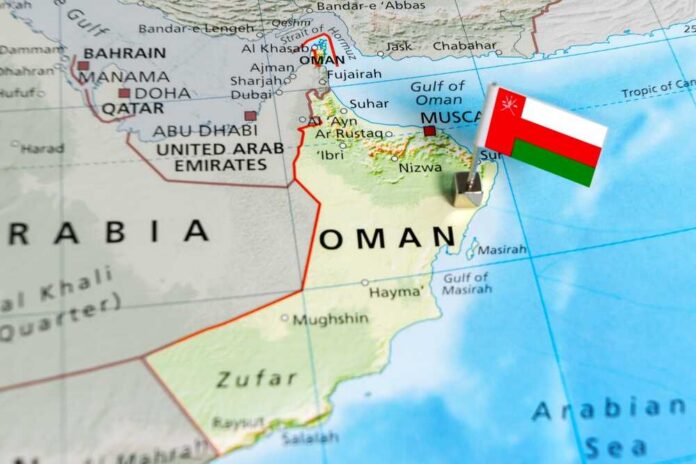
On March 11, 2026, unmanned aerial vehicles penetrated Oman’s air defenses and struck fuel storage tanks at the Port of Salalah, one of the Middle East’s most strategically important maritime hubs. Security forces intercepted several drones, but at least one successfully hit the facility’s fuel storage area, igniting fires that engulfed silos with thick smoke covering the skies. The attack occurred thirteen days into the Iran-US-Israel conflict that began February 28, marking a troubling shift from military installations to civilian energy infrastructure at a neutral nation’s port facility.
Strategic Infrastructure Under Siege
The Port of Salalah serves as a critical node in global energy and maritime commerce along the Arabian Sea, handling container traffic, oil storage, and bunkering operations for ships moving between Asia, Europe, and Africa. The British maritime security firm Ambrey confirmed the oil storage facility strike with visual evidence showing significant damage to at least two fuel tanks. This wasn’t Iran’s first infrastructure attack on Omani territory—the Port of Duqm was targeted earlier in March, damaging fuel storage tanks and injuring a foreign worker. These calculated strikes demonstrate Iran’s willingness to destabilize neutral nations and disrupt global energy supplies.
Revolutionary Guard Declares Economic Warfare
Iran’s Revolutionary Guard declared the Strait of Hormuz a “no-go area,” threatening that no oil would pass without Tehran’s permission and shifting from retaliation to “full-out war” posture. Approximately 14 ships have been affected by Iranian attacks across the Strait of Hormuz, including three cargo ships hit the same day as the Salalah strike. The Thai-flagged Mayuree Naree suffered two projectile strikes in the engine room, resulting in 20 crew rescued and three missing. This systematic campaign against maritime commerce threatens energy supplies that American families and businesses depend on, potentially driving fuel prices higher through supply disruptions in a region critical to global oil exports.
Contradictory Claims Amid Clear Evidence
Iranian President Masoud Pezeshkian claimed Iran only targets countries hosting US or Israeli military assets, while Tehran simultaneously suggested the Salalah strike was a “false flag” operation. These denials contradict multiple independent confirmations from maritime security firms and visual evidence of burning fuel tanks. Oman’s Sultan Haitham bin Tarik expressed condemnation during a phone call with Pezeshkian, though Oman’s energy ministry insisted no damage occurred to fuel product flow or supply continuity. This disconnect between visual confirmation of massive fires and official minimization raises questions about transparency and the true extent of infrastructure vulnerability.
Global Commerce Disrupted
Global shipping giant Maersk halted activities at Salalah port citing security concerns, with container terminal operations paused until further notice and vessels in nearby waters advised to remain alert. Qatar’s prime minister condemned the strikes as damaging regional peace, though Qatar successfully intercepted multiple missile attacks. The shipping industry now faces increased insurance costs, route modifications, and operational delays that will ripple through supply chains affecting American consumers. Energy analysts warn that continued attacks on fuel depots and ports could trigger cascading consequences for global markets, with the Gulf region’s critical role in energy exports making infrastructure protection increasingly challenging against modern drone warfare.
The targeting of Omani infrastructure signals Iran’s broader campaign against Gulf states perceived as cooperating with US military activities, threatening American strategic interests and economic security. This escalation demonstrates how regional conflicts directly impact energy supplies and commerce that American families depend on, underscoring the importance of decisive leadership in protecting global trade routes and deterring attacks on critical infrastructure that threaten our economic prosperity and national security interests.
Sources:
Strikes hit oil storage facilities in Oman, says maritime security firm – Middle East Eye
Explosions at Oman’s Salalah Port: Iran drones hit fuel storage oil tanks – Times of India