Uber’s new Tesla app integration may make it easier for the company to detect when drivers “set it and forget it” with Full Self-Driving—while leaving all the legal risk on the person behind the wheel.
Quick Take
- Uber’s in-car integration with Tesla navigation streamlines pickups and drop-offs, but it also makes FSD use during trips more visible and easier to infer.
- Tesla’s “Full Self-Driving” remains a Level 2 driver-assist system that requires constant human supervision, even if it can handle long stretches of driving.
- Crashes and high-profile warnings about “overtrust” are resurfacing as more rideshare drivers experiment with FSD to reduce fatigue and extend shifts.
- Uber and Lyft policies keep drivers responsible for safe operation, creating a one-way accountability problem if automation contributes to a mistake.
Uber’s Tesla Integration: Convenience That Cuts Both Ways
Uber’s integration with Tesla’s navigation display is designed for convenience: pickup and drop-off details can appear directly on the car’s screen, reducing phone handling and friction during a shift. For drivers who already rely on Tesla’s driver-assistance features, the workflow can feel like a nudge toward more frequent FSD use. The provocative claim that “your boss knows” hinges less on mind-reading and more on how seamless, trackable behavior becomes when it’s standardized.
Drivers describing the setup say the integration “works well” when routing information moves cleanly from the Uber app into Tesla’s built-in navigation, letting them engage FSD on familiar roads. At the same time, the system’s strengths can lure people into treating it like a replacement for attention rather than a tool that still demands it. That’s the heart of the tension: the technology looks like autonomy, but policy and liability treat it as assistance.
FSD Is Still Level 2—And That Legal Detail Matters
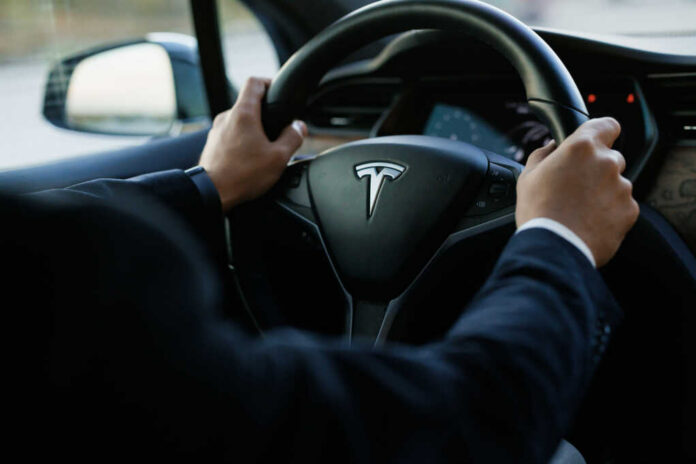
Tesla’s Full Self-Driving package is widely described as Level 2 automation, meaning the driver must actively supervise and be ready to take over instantly. Tesla’s cabin camera monitoring and “nags” exist precisely because the system is not allowed to operate as a true self-driving service in ordinary consumer use. In rideshare work, that distinction becomes more than technical. It determines who gets blamed, who gets sued, and who gets deactivated if something goes wrong.
Uber and Lyft policies emphasize that drivers must keep control of the vehicle and remain responsible for safe operation. That policy posture may protect the platforms, but it leaves working drivers in a tight spot. If a driver uses FSD to reduce fatigue during long hours and the car makes a bad decision—hard braking, awkward lane choices, or confusion in complex pickup zones—the driver is still the accountable party. It does not show Uber actively “monitoring” FSD usage in real time, but it does show the company setting the terms.
Why Rideshare Drivers Use It Anyway: Fatigue, Economics, and Time
Rideshare drivers report using FSD to reduce fatigue and smooth out the grind of repetitive highway miles. One industry voice estimated that a substantial share of Tesla-driving rideshare operators use FSD regularly, even if some avoid it with passengers due to occasional errors. For working Americans trying to keep up with costs, the appeal is obvious: fewer stressful micro-decisions, more endurance, and potentially more trips per day. That economic pressure is real, even if it doesn’t change safety requirements.
Drivers also describe FSD as a conversation starter with riders, and some passengers reportedly like the idea of a more “rested” driver. But the same reports mention problems in places where rideshare work is hardest: airports, construction zones, dense urban streets, and confusing pickup pins. Those are exactly the environments where a system that is “pretty good most of the time” can still create sudden, high-consequence moments that demand instant human correction.
Crashes and “Overtrust”: The Human Factor That Doesn’t Scale
A Las Vegas-area crash involving a Tesla carrying an Uber passenger renewed scrutiny of what happens when semi-automation meets commercial driving. Separately, former Uber self-driving executive Anthony Levandowski described his own 2026 FSD crash and argued that near-perfect performance can condition drivers into a “passenger” mindset that’s hard to break when the car suddenly needs a “pilot.” That critique is not a partisan attack; it’s a warning about human nature and reaction time when a system trains people to relax.
Federal scrutiny also hangs over the category. It points to NHTSA attention on behaviors such as wrong-side driving and red-light issues, and it references major legal fallout tied to earlier crashes. Those details reinforce why regulators, insurers, and platforms will keep pushing responsibility down to the driver: the technology is not legally treated as a driver. For conservatives wary of government overreach, the risk is that repeated incidents invite heavy-handed federal rules that affect everyone, not just reckless users.
What This Means for Accountability—and for Everyday Riders
The immediate policy reality is straightforward: FSD can be used, but only with supervision, and rideshare drivers remain on the hook. The longer-term question is whether platforms respond with stricter enforcement, deactivations, or clearer in-app warnings as usage becomes more common. It does not confirm a specific new Uber enforcement program tied to Tesla integration, but they do indicate growing scrutiny after crashes. For riders, the practical takeaway is that “self-driving” marketing language does not equal self-driving legal responsibility.
For drivers, the best protection is clarity: treat FSD as an assistance tool, not a substitute for hands-on control, especially in the messy pickup-and-drop-off reality of rideshare work. For policymakers, the challenge is balancing safety without turning every tech controversy into another excuse for centralized control that punishes responsible people. The constitutional angle here is indirect but important: when regulators react to headlines with broad mandates, ordinary Americans often lose flexibility first—while the biggest corporations lawyer up and move on.
Sources:
https://uberlawyer.com/uber-drivers-turn-self-driving-tesla-into-robotaxis/
https://teslamotorsclub.com/tmc/threads/tales-from-an-uber-driver-using-fsd.346581/
https://www.businessinsider.com/former-uber-exec-tesla-fsd-crash-ai-risk-self-driving-2026-3