Thirty-eight of Seattle’s biggest employers just told City Hall to turn the cameras back on and fix police response times now.
Story Highlights
- Major employers demanded reactivating closed-circuit cameras and faster 911 response benchmarks.
- Seattle’s mayor paused camera expansion for a privacy audit while keeping most units running.
- Police said real-time camera tools have helped solve violent crimes and speed arrests.
- Business leaders want a 100-day action plan with clear goals and monthly progress reports.
Business Leaders Call for Measurable Public Safety Action
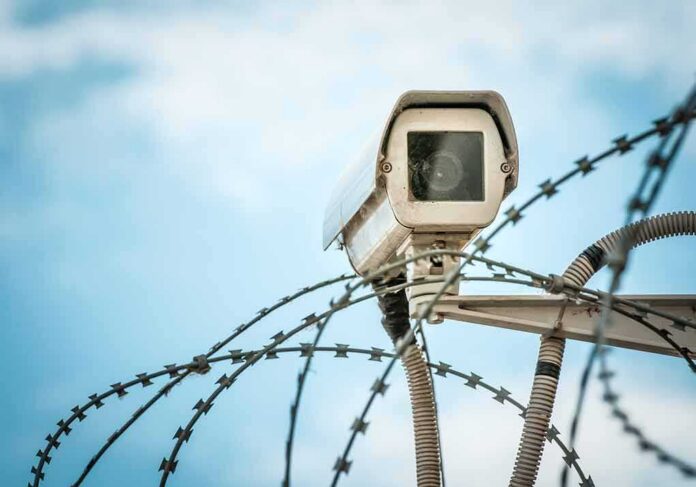
On September 10, a coalition of 38 major Seattle employers sent an open letter urging the city to reactivate closed-circuit cameras in high-event areas, boost patrols, and set firm response-time goals. Signers included leaders from Microsoft, Starbucks, Costco, Alaska Airlines, Nordstrom, and the Seattle Mariners. They paired the requests with a 100-day plan, monthly progress updates, and measurable benchmarks to track results and rebuild trust with workers, shoppers, and visitors downtown.
The letter tied cameras to deterrence and accountability in Pioneer Square, the Stadium District, and other hotspots. It cited slow or incomplete 911 responses that leave businesses exposed and customers wary. One example widely discussed by retailers referenced a 29 percent response rate for certain downtown calls, compared with higher rates in nearby cities, fueling calls for clear metrics and transparency on dispatch and on-scene times. The signers framed the ask as basic public safety, not politics.
Mayor’s Pause Pits Privacy Concerns Against Urgent Safety Demands
Mayor Katie Wilson said she paused expansion of the camera pilot until a privacy and data-governance audit is complete, while keeping most existing cameras active. She said new stadium-area cameras would only switch on if a credible threat emerged and would be disconnected once that threat ended. She also said a unit aimed near a reproductive-health and gender-affirming-care facility would be turned off over privacy concerns. She pledged to release the audit before deciding on further expansion.
Wilson insisted Seattle can protect people without giving up privacy and civil liberties. She emphasized hearing from families touched by gun violence, yet still warned that surveillance tools could be abused if not tightly governed. Her office expects the audit results around month’s end, at which point she said the city will decide on expansion and publish the findings. Supporters of the pause call it caution; critics call it delay during a public safety crunch.
Police and Prosecutors Highlight Camera Benefits in Violent Hotspots
Seattle Police said real-time camera tools focus on violent-crime hotspots and respond to 911 calls. Local reporting quoted police stating that detectives using the real-time crime center were three times more likely to arrest suspects in certain cases. After a downtown assault, a federal prosecutor publicly praised footage that helped identify a suspect, saying, “the cameras actually worked.” These are operational wins, not theory, and they drive business demands to keep the system active where crime is concentrated.
"Turn on the damn cameras!"
-Seattle CM Rob Saka at the Public Safety Committee meeting today.— Future 42 (@future42org) September 22, 2026
Research shows cameras tend to have modest effects overall, with mixed results in open city streets. That wider evidence is not a slam-dunk either way. But Seattle’s debate centers on targeted use in event districts and violent hotspots, where police and businesses say eyes on trouble can speed arrests and deter repeat offenders. The coalition’s plan also includes more patrols and faster dispatch, acknowledging that cameras work best when police can respond fast and follow through.
What Accountability Looks Like for Seattle Right Now
Employers asked for a simple deal: clear goals, monthly scorecards, and visible progress in the next 100 days. That includes reactivating cameras in known trouble zones, staffing patrols where crowds gather, and publishing response-time benchmarks the public can check. Residents who watched years of hands-off policies want results they can feel on the sidewalk. If the audit flags gaps, fix them fast. If tools work, use them where crime is worst and keep policies tight to protect privacy.
The Bottom Line for Families, Workers, and Fans
Seattle thrives when streets feel safe at lunch, after work, and on game nights. Cameras are not a cure-all, but they are a tool that can help police act faster and hold offenders accountable when used with guardrails. The mayor controls the audit pace and the on-off switch. The business community, police, and the public are asking for action with a clock on it. Safety cannot wait for endless process while crime exploits delays downtown.
Sources:
americanbazaaronline.com, seattlechamber.com, king5.com, cbsaustin.com, ground.news, seattletimes.com, kiro7.com, nypost.com, fox13seattle.com