
Police say a 74-year-old hunter fired at what he thought was a deer and killed a 39-year-old mother walking across a Delaware field.
Story Snapshot
- Delaware State Police charged Walter Moorhead with manslaughter after a fatal shooting in Ellendale.
- Investigators say Moorhead believed he saw a deer and fired from a ground blind, striking Santos Maria Chilel Soto.
- Police also charged him with reckless endangerment and a felony firearm count; he posted a $43,000 cash bond.
- Cases like this often hinge on whether a hunter’s mistake rose to criminal negligence under state law.
Police Account and Charges Filed
Delaware State Police said Walter Moorhead, a 74-year-old from Salisbury, Maryland, shot and killed Santos Maria Chilel Soto on Friday evening in Ellendale. Troopers arrested Moorhead and charged him with manslaughter after determining he fired the fatal round. Authorities also listed additional counts, including reckless endangerment and possession of a firearm during the commission of a felony. A court later released Moorhead after he posted a $43,000 cash bond, according to the police news release.
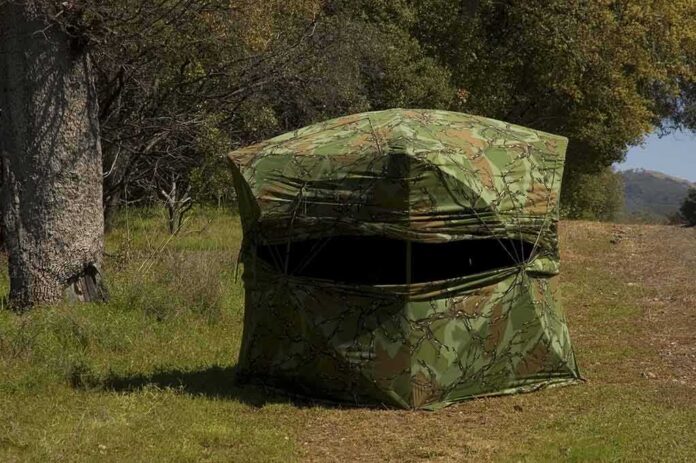
Police said Moorhead told investigators he was deer hunting from a ground blind when he saw movement in an open field and believed it was a deer. He fired his rifle and hit Soto, who was walking across the field. Reports based on the police account say she was with other people when the shot was fired. The case remains an active criminal matter, and Moorhead is presumed innocent unless a court finds him guilty under Delaware law.
What Investigators Say Happened in the Field
Investigators described a scene where a hunter sat concealed at ground level and watched a field near Ellendale around dusk. They said Moorhead saw what he thought was game and pulled the trigger. The bullet struck Soto, who was moving through the same field. Troopers responded to the location and took Moorhead into custody after on-scene interviews and evidence checks. The sequence, as described by police, centers on target identification and the decision to fire.
The State Police booking listed manslaughter for “recklessly causing the death of another person.” That wording tracks how prosecutors often frame hunting deaths that follow a mistaken-identity shot. The law does not require intent to kill for a manslaughter charge tied to recklessness. It requires proof that the shooter’s conduct created a substantial and unjustifiable risk, and that the shooter ignored that risk. Police say the field conditions and the firing decision support the counts filed.
How Courts Treat Hunting Mistakes
Courts around the country have held that a hunting “accident” can still be a crime if the shot was reckless in context. Judges have explained that the key test is not whether the shooter meant to kill, but whether he fired without proper care for human life. Delaware’s high court has also made clear that “accident” is not a stand-alone legal defense in the state’s criminal code, which puts focus on the actual conduct and risk at the time of the shot.
🚨JUST IN: A 74-year-old hunter is charged with manslaughter after shooting a mother of five he said he mistook for a deer.
Walter Moorhead of Salisbury, Maryland, was hunting from a ground blind in Ellendale, Delaware, on Friday evening. Santos Maria Chilel Soto, 39, of… pic.twitter.com/BSLoKNhxhC
— David J Harris Jr (@DavidJHarrisJr) September 21, 2026
Legal guides and case opinions describe common factors: light conditions, target identification, backstop awareness, and whether other people were present in the line of fire. When a hunter fires at movement without positive identification, some courts have found that to be criminal negligence rather than mere carelessness. That standard helps explain why prosecutors bring charges in shootings that start with “I thought it was a deer,” even when there is no intent to harm.
Why This Case Hits a Nerve
Families expect basic safety when they cross a field at dusk. Hunters expect others to follow bright clothing and posted rules. This case touches both expectations. Police say a split-second judgment ended a mother’s life and left five children without her. Many readers, left and right, will see another example of systems that talk about safety but struggle to enforce it before tragedy. Clear rules only matter if people follow them when it counts.
Hunting is part of life for many communities. It puts food on the table and keeps traditions alive. But every pull of a trigger carries a duty to be sure of the target and what is beyond it. Prosecutors say that duty was broken here. The court will test that claim against Delaware law on recklessness. For now, the official record shows an arrest, felony charges, and a family grieving a preventable death, based on what investigators have reported so far.
What Comes Next in Delaware
Prosecutors will present evidence to show Moorhead acted recklessly when he fired. Defense lawyers may stress conditions in the field and argue that the shot was an understandable error rather than a crime. A judge will weigh pretrial motions on the charges and evidence, including the firearm count tied to the shooting. If the case goes to trial, jurors will hear how Delaware defines recklessness and decide whether the facts meet that legal line beyond a reasonable doubt.
Regardless of the verdict, safety groups will likely point to basic steps: always identify the full body of your target, watch the backdrop, and stop if you are unsure. Those steps sound simple. They save lives when followed. They also honor both public access and the hunting traditions many families value. In Ellendale, one missed step now stands at the center of a criminal case and a community’s loss.
Sources:
foxnews.com, nytimes.com, abcnews.com, yahoo.com, scocal.stanford.edu