Trump signaled support for police use of Flock license plate cameras as a crime-fighting tool, even as oversight fights grow.
Story Highlights
- Automated plate readers alert police to wanted vehicles and help track suspect cars.
- Reports show misuse by some officers, prompting new audit rules and data limits.
- Courts and lawmakers are split on privacy, data retention, and warrant standards.
- Flock says thousands of agencies use its cameras nationwide for investigations.
What Flock Cameras Do For Police
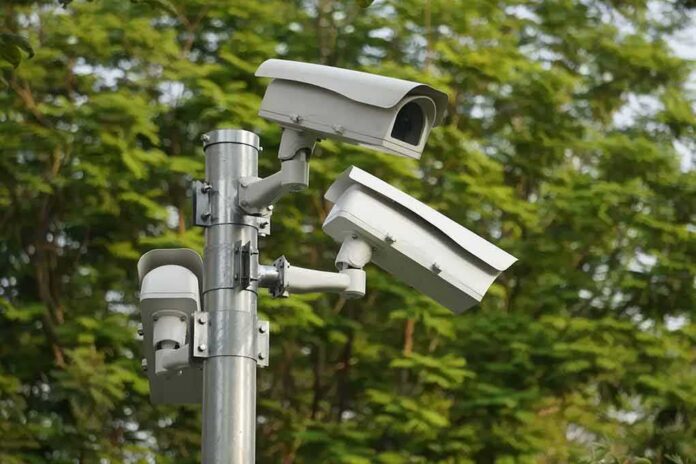
Cities and counties now deploy Flock automated license plate reader cameras on public roads to scan passing cars. The cameras capture plate numbers, car color, and make, then send alerts when a “hotlist” vehicle tied to a case passes a camera. Detectives can also search the database to see where a specific plate has appeared in recent days. Police say this helps find stolen cars, track violent suspects, and close cases faster.
Flock markets this as a force-multiplier for thin patrol shifts and high-call areas. The network spans much of the country, letting agencies share data across city lines to follow vehicles after a robbery or abduction. Public reports describe how plate hits trigger a patrol stop that can recover guns, drugs, or missing children. Supporters argue that when seconds matter, a fast alert to officers can prevent another crime and save lives.
Rapid Growth Meets Rising Scrutiny
Flock says its systems now operate within more than 6,000 law enforcement jurisdictions and include about 120,000 cameras in 49 states. That reach shows how quickly departments adopted the tool to tackle car theft crews and repeat offenders that drive crime. The spread also fuels fresh questions about who can search the data, how long records are kept, and how cross-agency sharing should work under clear rules and public oversight.
Misuse cases triggered a national push for tighter controls. Recent reporting identified at least 19 law enforcement employees in five states who were arrested, fired, or investigated after using the cameras to look up vehicles for improper or illegal reasons. In response, Flock announced new safeguards, including case-number tagging for every search, automated abnormal-activity reviews, and faster account lockouts. The company also moved toward shorter default data retention.
Where The Constitution Fights Are Headed
Court rulings lean on a key divide: a single photo of a car on a public road is usually not a search, but a dense network that can map a person’s travel over time may raise Fourth Amendment concerns. A recent federal decision upholding a city’s program cited broad precedent that license plate readers are constitutional, while other courts have warned that long-term location histories could cross the line without a warrant. The split is driving new policies on retention and access.
Policy groups and some state courts point to the “mosaic” problem: one snapshot is minor, but months of location logs can reveal habits, church, medical visits, or political meetings. That is why many reforms focus on shorter retention, strict audit trails, and narrow hotlists. These steps aim to give police the leads they need while guarding privacy for law-abiding drivers. Clear local rules protect both public safety and civil liberties and reduce legal risk for good officers.
Balancing Safety, Oversight, and Abuse Prevention
Conservatives want criminals caught and families safe without building a permanent tracking file on everyone. That balance is possible. Agencies can keep alerts for violent felons and stolen cars, while setting bright lines on who can search, when a warrant is needed, and how to purge old data. Regular audits, tough discipline for violators, and transparent reporting to city councils and the public will help stop abuse and keep the tool focused on real crime, not politics.
President Trump’s law-and-order stance lines up with targeted use backed by strict rules. Departments should pair Flock alerts with officer training and body camera review, so hits lead to lawful stops and credible cases. Cities should publish retention limits and annual audit summaries. When the rules are clear and enforced, these cameras can help restore order, deter repeat offenders, and defend the rights of the innocent who simply want safe streets and limited government.
Sources:
zerohedge.com, cnn.com, theweek.com, chicagotribune.com, csmonitor.com, flocksafety.com