A sweeping courtroom push could strip citizens of their power to sue polluters, shifting control to Washington lawyers and benching local communities.
Story Highlights
- Justice Department argues only the Executive Branch can decide if pollution laws are enforced.
- Congress created citizen suits in major laws like the Clean Water Act to backstop weak enforcement.
- Supreme Court left broad citizen-suit authority in place by denying review in 2025.
- Debate centers on separation of powers and who holds real accountability when agencies do not act.
What the Justice Department Is Arguing in Court
Harvard’s Environmental and Energy Law Program reports that the Department of Justice intervened in an active case and said that if the federal government declines to enforce the Clean Air Act, then no one else may do so either. The filing casts citizen enforcement as unconstitutional because it intrudes on executive power to decide when and how to prosecute violations. The government also claims a statutory “right of dismissal” that could let it end entire citizen cases.
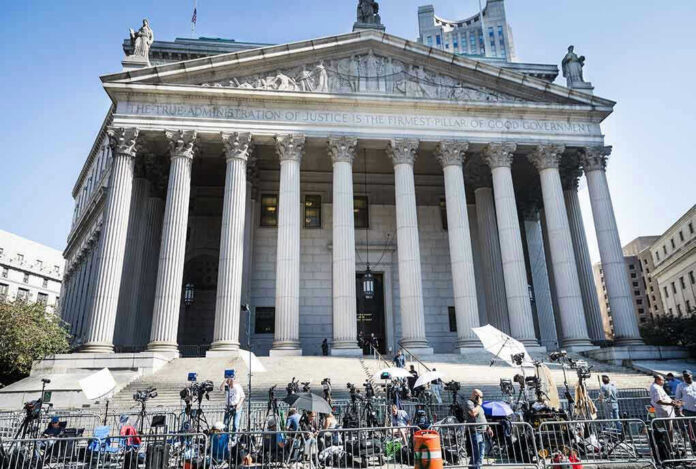
The Associated Press says four cases are moving ahead, backed by right-leaning legal groups and a prominent technology company, with the administration arguing that only the president and agencies can decide enforcement priorities. That framing presents a direct clash: Congress gave people a role to enforce the law, while the Executive Branch now seeks a veto over that role. Courts will decide whether that view fits the Constitution or rewrites Congress’s design.
What Congress Wrote and Courts Have Allowed
Congress placed citizen-suit provisions in many environmental laws. The Clean Water Act lets “any citizen” sue alleged violators in federal court after proper notice, and allows courts to order compliance and civil penalties paid to the United States. In 2025, the Supreme Court declined to hear two appeals that aimed to narrow citizen suits, leaving a broad scope of authority in place in those circuits. Earlier rulings also recognized the right to bring suits under the Clean Water Act.
Legal scholars explain that these suits serve as a backstop when agencies fail to act. Citizen suits deter violations by enabling injunctions, civil fines, and recovery of attorney fees in defined cases. They also can force agencies to carry out nondiscretionary duties set by statute. Supporters argue this is not freelancing. It is a tool Congress gave the people to uphold the law when government lacks resources or declines to pursue a case.
Why This Fight Matters to Accountability and Limited Government
Supporters of the Justice Department’s view say the Constitution places enforcement in the Executive Branch and that private lawsuits can confuse national priorities. That concern resonates with those who want clear lines of authority. But the counterpoint is simple: Congress passed laws that let citizens act when government does not. Blocking that role could leave families and small towns with no recourse when a bad actor cuts corners and government looks away.
For conservatives who value local control, the stakes are concrete. Citizen suits do not invent new rules; they enforce laws already on the books. They also require notice and standing, which prevents fishing expeditions. When the Supreme Court refused to restrict citizen suits in 2025, it left that safety valve in place while debate continues. The core question now is whether Washington can claim a blanket veto over those cases, even when Congress said citizens may proceed.
What Comes Next and What to Watch
Courts will sort out whether the Department of Justice can dismiss citizen suits based on Article Two theories or specific statutory text. If judges accept a broad veto, agencies will hold exclusive control over pollution cases, and private enforcement will shrink fast. If judges reject it, citizen suits will continue to serve as a check on nonenforcement, as Congress designed under laws like the Clean Water Act.
Congress passed environmental protection laws that gave enforcement to executive branch but also to citizens through the courts—citizen suit provisions. Citizens can sue federal agencies that fail to enforce laws.
The 🤡 wants to end this. https://t.co/mvBH7BVoZs
— Janae Steville (@StevilleJanae) August 5, 2026
Conservatives should track three signals. First, look for rulings on the claimed government dismissal power. Second, watch whether courts separate valid standing limits from a sweeping constitutional bar. Third, note whether Congress’s text—giving citizens a role—remains the guide. The balance here is classic: keep power close to the people while respecting constitutional lines. The outcome will shape local leverage against real-world harms for years.
Sources:
youtube.com, lawreview.colorado.edu, elpc.org, eelp.law.harvard.edu, theconversation.com, facebook.com