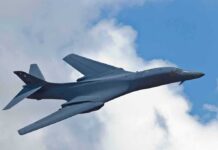
A suspected drone shut Vilnius Airport and launched a NATO fighter, but it turned out to be birds.
Story Snapshot
- Vilnius Airport paused flights after a radar track suggested a drone, triggering a NATO jet scramble.
- A visual check by the fighter confirmed the object was a flock of birds, ending the alert within about 38 minutes.
- Lithuania’s crisis center said bird and drone radar marks can look similar, explaining the caution-first response.
- Officials applied alerts to Vilnius city and nearby districts; residents received emergency notices as the alert lifted.
Rapid Airport Shutdown After Suspected Drone Track
Authorities in Lithuania closed Vilnius Airport on Sunday after radar showed what looked like a drone. Leaders acted fast, paused flights, and requested help from the North Atlantic Treaty Organization (NATO). At least one fighter jet launched to check the sky and protect the air corridor. The move followed standard air-policing steps used across Europe when a track looks unusual or unsafe. Officials said safety for travelers and residents required an immediate pause while they verified the contact.
Reports said the alert stretched across Vilnius city and its surrounding districts, including Trakai and Elektrenai. Local warnings asked people to take cover until the situation cleared. The pause did not last long. Timelines from officials and media placed the closure at a little over half an hour. Flights resumed after the visual check confirmed no hostile craft was in the area, and controllers reopened the runway to normal operations soon after.
NATO Fighter’s Visual ID Ends The Scare
A NATO fighter launched from the Baltic air policing posture to get eyes on the contact. The pilot reached the area and performed a visual check to see what radar could not. The target was not a drone after all. It was a flock of birds moving together and reflecting the radar in a way that can mimic a small unmanned aircraft. Once the pilot confirmed that fact, Lithuanian authorities stood down the alert and allowed aviation to restart at the main airport in the capital.
Lithuania’s National Crisis Management Centre explained why the radar picture caused concern. On first look, marks left by birds and small drones can appear similar. That is a known limit in many counter-drone and air-defense systems. Operators often choose caution until a fighter can confirm what is there. The fast decision to scramble and then to reopen matched that script. The protocol worked as designed: verify, then clear the sky and return to normal traffic.
Why Birds Can Fool Modern Radar
Technical studies show birds and small drones share size ranges and flight speeds that can overlap on radar, especially at low altitude. Their returns can look alike, and their motion can confuse automated filters. Research on radar micro-signals finds that flocks can create clusters that look like man-made objects. These facts explain why a short alert like this is not rare worldwide. It is a tradeoff between fast warnings and the risk of brief false positives in crowded airspace.
📌 Lithuania Raises Air Alert After Mistaking Birds for Drones
Lithuania briefly declared an air alert in Vilnius and surrounding districts, closed Vilnius Airport and scrambled fighter jets after radar detected what appeared to be drones.
The alert was lifted 38 minutes later… pic.twitter.com/K7hyXI4zIM
— Context 360 (@NewsContext360) September 14, 2026
NATO air-policing doctrine anticipates this kind of task. Allied radars flag an unusual track. Controllers scramble fighters to check visually and escort or clear as needed. When the object is harmless, the alert ends. When the object is unsafe, the fighters act. This rhythm protects the public without delay. The Lithuanian case followed that rhythm exactly, from radar cue to launch to identification and safe stand-down in under an hour.
What It Means For Security And Common Sense
Border states near Russia and Belarus keep a tight watch on the sky. That vigilance is wise when hostile drones are cheap and fast. Sunday’s event shows the system can move quickly and still reset once the facts are clear. For travelers, the delay was brief. For national defense, the drill was useful. It proved that alerts reach citizens, jets can launch at short notice, and leaders can reopen airspace once the threat is gone. That balance is what safety demands.
For Americans, this episode is a reminder. Strong borders, clear rules, and trained responders matter. Rapid alerts protect families and critical hubs. Swift verification prevents panic and needless shutdowns. The Lithuanian process, backed by NATO air policing, put safety first, then restored normal life fast. That is the kind of clear chain of command and measured response we expect from allies and want from our own agencies at home when real risks appear in busy skies.
Sources:
humanevents.com, reuters.com, english.nv.ua, usnews.com