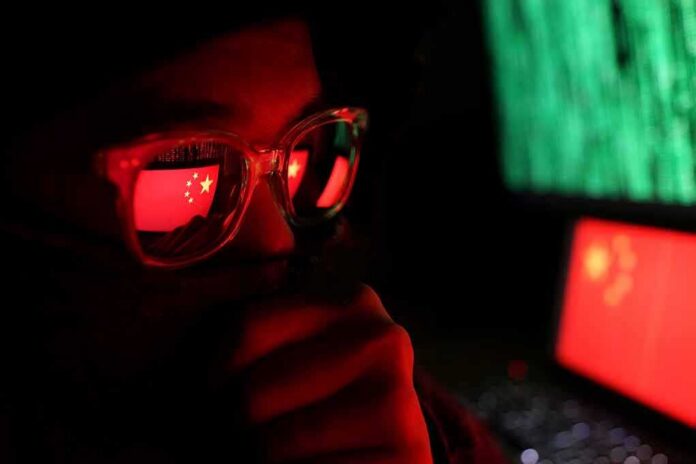
U.S. officials say Chinese satellite images aided Iran before the Jordan strike that killed three American troops, raising fresh alarms about Beijing’s role in targeting our forces.
Story Highlights
- Officials linked Chinese-sourced imagery to Iran’s strike on the Muwaffaq Salti Air Base in Jordan.
- The attack on July 17 killed three U.S. service members and wounded others, shocking military families.
- President Trump said China spies on the U.S. and the U.S. spies on China, tempering direct blame.
- The State Department earlier sanctioned China-based firms for supplying imagery that enabled Iranian attacks.
What Officials Linked To The Deadly Jordan Strike
U.S. officials told the Wall Street Journal that Tehran obtained high-resolution satellite images of Muwaffaq Salti Air Base from Chinese entities before and after the July 17 attack that killed three American troops in Jordan. The reporting says the imagery supported Iranian targeting of the base. The same accounts did not accuse Beijing’s government of direct command in the strike. The alleged link centers on commercial or quasi-commercial providers, which can deliver precise views on short notice.
Summaries of the reporting note that the officials stopped short of saying China’s state directly ran the operation. They still described a clear chain: Chinese-origin images, Iran’s planning cycle, and a lethal outcome for U.S. personnel at the base. The distinction matters for policy, but it changes little for grieving families. If an adversary buys images that help aim missiles or drones, the effect on our people on the ground is the same.
Trump’s Response And The Administration’s Posture
President Trump addressed the story by stating that China spies on the United States and the United States spies on China, framing this as normal intelligence practice rather than a direct Chinese handoff for the strike. He did not endorse claims of direct state involvement. His comments reflect a narrow, legal view of espionage norms. At the same time, his administration has taken action against foreign networks feeding Iran battlefield support through commercial data streams.
Months before this report, the Department of State announced sanctions on several China-based entities that supplied satellite imagery enabling Iran’s strikes on U.S. forces in the Middle East. Sanctions target the money, access, and tools that let Iran turn pixels into precision. This approach treats commercial space firms as part of a hostile supply chain when their products aid those who target Americans. It also signals to Beijing that “civil” imagery can carry real costs when misused.
Why Commercial Imagery Now Shapes Battlefields
Commercial Earth observation companies can capture and sell detailed images of airfields, force layouts, and logistics lines. The United States military law community and allied experts have tracked how this data now supports real-time targeting in modern wars. Open-market images, paired with basic analysis, can guide strikes against aircraft, barracks, and fuel points with deadly effect. The line between “public” space pictures and combat intelligence has blurred fast.
This shift lets hostile actors outsource parts of their spy agencies to the private market. They do not need a vast satellite fleet if they can order tasking from firms abroad and layer it with their own signals and human reporting. That is why a “commercial” label does not make the risk small. When pictures show runway activity, aircraft placement, or air defense posture, they can shave minutes off the enemy’s kill chain and raise the price paid by our troops.
What Comes Next For Deterrence And Accountability
Policy must now close the space between routine commerce and battlefield harm. Clear rules for sales to sanctioned buyers, tight export controls, and swift penalties can raise the cost of aiding Iran’s war machine. The administration’s sanctions aim to do that by cutting access and warning other vendors. Congress can back this with stronger enforcement tools, better end-use checks, and support for U.S. imaging firms that follow strict vetting.
Families who lost loved ones deserve firm, steady action. The United States should press partners to block resales to Iran and expose shell fronts that hide purchases. Washington should keep building resilience at forward bases, including camouflage, rapid decoys, and frequent dispersal, which reduce what satellites reveal. Precision starts with a picture; denying that picture saves lives. Strength abroad and discipline at home remain the surest way to keep our troops safe.
Sources:
humanevents.com, nypost.com, al-monitor.com, hoodline.com, asiatimes.com