
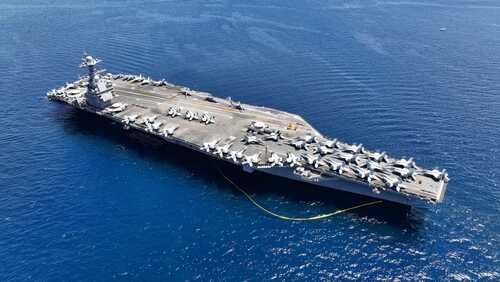
A new geopolitical conflict emerges as Venezuela’s decision to cancel energy agreements with Trinidad threatens regional stability.
Story Snapshot
- Venezuela terminates energy agreements with Trinidad following US warship arrival.
- Accusations of US-Trinidad collaboration provoke geopolitical tensions.
- Regional energy security and cooperation are jeopardized.
- Venezuela frames the issue as a defense of sovereignty against US influence.
Venezuela’s Decisive Move Against Trinidad
Venezuela has announced its intention to terminate its long-standing energy cooperation agreements with Trinidad and Tobago. This decision comes in response to Trinidad’s agreement to host a US warship for joint military exercises, which Venezuela perceives as a hostile act. The agreements, initially signed in 2015, were designed to enhance regional energy security through joint natural gas exploration in the maritime area between the two countries.
Venezuela’s Vice President and Oil Minister, Delcy Rodríguez, emphasized that the move was necessary to protect national sovereignty from foreign intervention. The Venezuelan government has accused Trinidad of aligning with US interventionist policies, further escalating tensions in the Caribbean. This development underscores the intricate link between energy diplomacy and military-geopolitical strategies in the region.
Venezuela has suspended a major gas deal with neighbouring Trinidad and Tobago, citing the island nation’s reception of a US warship https://t.co/E21iSRSMEY pic.twitter.com/4WgPCVLUUR
— Al Jazeera English (@AJEnglish) October 28, 2025
Implications for Regional Energy Security
The termination of these agreements poses significant risks to regional energy security and economic stability. Joint energy projects between Venezuela and Trinidad were expected to provide substantial benefits to both nations. However, the breakdown of cooperation could disrupt these projects, resulting in economic losses and increased diplomatic tensions. The long-term implications may include an erosion of trust in regional energy partnerships and a potential realignment of alliances.
Analysts warn that Venezuela’s decision to leverage energy diplomacy as a tool for geopolitical retaliation could set a concerning precedent. The move highlights the strategic importance of energy resources in regional power dynamics, with both economic and political ramifications for the broader Caribbean community.
Geopolitical Ramifications and Stakeholder Reactions
Venezuela’s decision has drawn varied reactions from key stakeholders. While Venezuelan officials frame the issue as a defense of sovereignty and regional peace, Trinidadian and US officials assert the necessity of security cooperation to combat narcotics trafficking. The US, maintaining significant military influence in the Caribbean, views military exercises as essential for regional stability.
As the situation unfolds, regional governments and organizations are closely monitoring developments. The escalating tensions underscore the delicate balance of power in the Caribbean, with potential consequences for regional cooperation and energy security. The unfolding dynamics may prompt further diplomatic maneuvers and realignment of regional alliances.
Watch the report: Maduro Suspends Oil and Energy Agreements with Trinidad After US Warship Arrives
Sources:
Venezuela Cancels Energy Ties With Trinidad and Tobago After US Warship Visit