Blue states are warning of “overreach” as a new White House order presses them to share mail-ballot data to keep noncitizens off federal voter rolls.
Story Snapshot
- The White House order asks states to indicate if they will submit voter lists tied to mail ballots sent through the Postal Service [3].
- Opponents say the order cites no clear statute that forces states to hand over data nationwide [3].
- Illinois signaled it will not require proof of citizenship despite the federal push [2].
- Federal law and court fights over proof-of-citizenship rules remain unsettled and contested [5][8].
What the New Federal Order Actually Seeks from States
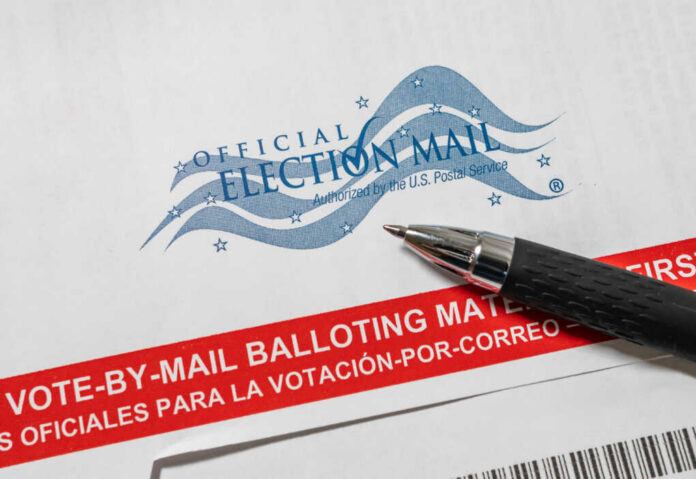
The White House order “Ensuring Citizenship Verification and Integrity in Federal Elections” asks each state to notify the federal government about mail-in and absentee processes and to indicate whether it will submit a list of eligible voters slated to receive ballots sent through the United States Postal Service [3]. The order links federal verification work with the mail system. It centers on who is eligible to receive a ballot and how to guard federal contests against illegal voting [3].
The directive’s text uses the language “should indicate,” which signals an expected practice rather than a clear legal command with penalties [3]. Supporters call the request common sense. They argue that if the federal mail carries ballots, the federal government should be able to check who is getting them. They also say accurate lists help stop ballots from going to wrong addresses or to people who are not citizens and cannot vote in federal races [3].
States Push Back, Citing Authority and Burden Concerns
Some states and advocates argue the order does not cite a specific statute that compels nationwide disclosure of mail-ballot lists or tracking data [3]. They frame it as federal pressure that could clash with state control over elections. Illinois has already said it will not require proof of citizenship for its April local elections, even after the executive order, showing how states may resist related verification measures on their own timelines [2]. That resistance sets up legal and political tests this year.
Long-running fights over proof-of-citizenship rules sit in the background. Voting groups point to federal law, including the National Voter Registration Act, to oppose extra documents at registration for federal elections [5]. Policy trackers also note that citizenship is already a requirement to vote, yet lawsuits over how states verify that rule keep returning to the courts [8]. This mix of state authority, federal interests, and court precedent will shape how far the new order goes in practice [5][8].
Election Integrity Versus Access: The Core Dispute
Supporters of tighter checks say clean voter lists protect every legal ballot. They note that all states already must keep rolls accurate by removing the dead, those who moved, or those with disqualifying felony convictions [1]. They argue that mail-in systems raise extra risks if lists are sloppy, because ballots travel through many hands. They see sharing lists tied to Postal Service delivery as a simple way to ensure only eligible voters receive ballots in federal races [1][3].
Opponents warn that new proof or data steps can block legal voters or cause delays. Research groups argue that document demands can burden many people who lack ready records, and they cite federal rules that they say limit such requirements for federal registration [5]. They also question whether the White House can require states to transmit detailed mail-ballot data without Congress passing a clear law. That legal gap may drive lawsuits if agencies try to enforce compliance this year [5][3].
What to Watch Before Ballots Go Out
States will soon choose how they answer the order’s notification process and whether they will share the requested lists. If many states comply, federal officials could match mail-ballot lists with federal records and flag problems early. If states refuse, the fight may shift to the courts over preemption, state authority, and the scope of federal election powers. Either way, list maintenance rules already on the books will remain the minimum standard nationwide [1][3].
For voters, the bottom line is simple. Only citizens can vote in federal elections, and every bad record weakens trust. The path to better lists runs through clear rules, clean data, and firm timelines. The new order pushes in that direction by tying eligibility checks to the federal mail stream. The pushback argues the order goes beyond current law. Expect court tests, state-by-state choices, and a fast clock as election mailings approach [3][2][5].
Sources:
[1] Web – Mail-In Voting Meets the Question California Hates: Who Has to Prove …
[2] Web – Documentary proof of citizenship for voting – Ballotpedia
[3] Web – Despite Trump order, Illinois won’t require voter proof of citizenship
[5] Web – The SAVE Act: How a Proof of Citizenship Requirement Would …
[8] Web – [PDF] understanding proof of citizenship requirements for voter …