
Italy’s prime minister condemned violent riots that injured dozens of officers while demanding a full, fair probe into a migrant’s death in custody.
Story Highlights
- Giorgia Meloni called for a rigorous investigation into Abderrahim Fakir’s death.
- Meloni said nothing justifies violence against police, after clashes in Bologna.
- Reports say at least dozens of officers were hurt during the unrest.
- Rights groups warn Europe is tightening protest rules as governments stress order.
Meloni Backs Full Inquiry While Rejecting Street Violence
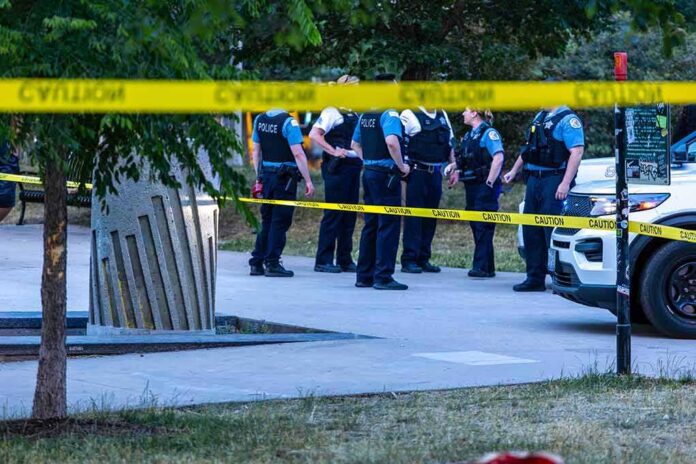
Italian Prime Minister Giorgia Meloni urged authorities to find the full truth about the death of Abderrahim Fakir, a Moroccan man who died during a police restraint in Bologna. She also condemned the street riots that followed, saying violence against police has no excuse. Her statement stressed two duties at once: a serious, unbiased investigation and clear support for law and order. Coverage noted that dozens of officers were injured as protests turned into clashes in the city’s streets.
Local reporting quoted Meloni calling events in Bologna “unacceptable” and pressing for responsibilities to be established “with the utmost rigor,” while warning against a “climate of hatred” targeting law enforcement. That framing separates the search for facts from those who escalate protests into assaults on the police. It sets a line that many Americans will recognize: demand accountability when someone dies in custody, but do not let agitators use tragedy as cover for mob rule or attacks on officers.
What Happened in Bologna and What Comes Next
Fakir died after police responded to a disturbance and used restraints during the incident, drawing anger and a quick wave of protests. Prosecutors in Bologna opened a manslaughter inquiry and placed two officers and four medical responders under investigation, a standard step to preserve evidence and test the facts. News reports say investigators will review video, witness accounts, and autopsy results to determine whether any crimes occurred and by whom, if any.
Television and international outlets reported that the unrest left many officers hurt and spread beyond a single rally point. The prime minister’s call aims to calm the streets while letting prosecutors do their job. That approach matches a basic rule in free societies: protect due process, defend peaceful assembly, and stop violence that endangers public servants and neighbors. The government’s stance also signals that injured officers deserve the same public concern as those who demand answers in a custody death.
A Wider European Pattern: Rights, Order, and Political Pressure
This case fits a broader European trend. Protests that start after a custody death often split into two fights: one over the death itself and one over street violence and policing. Governments lean toward restoring order. Rights groups warn against using “public order” as a shield to curb peaceful speech. Amnesty International says many European countries are tightening protest limits and expanding police powers, and urges lawmakers to protect peaceful assembly while punishing real violence.
Italy has seen repeated clashes tied to different causes, from foreign policy marches to anti-government actions. Meloni has kept a consistent line in those cases: support police, investigate alleged abuses, and denounce those who attack officers. That stance appeals to citizens who are tired of seeing public spaces turn dangerous and who respect the uniform, but it still leaves room for a fair probe when force is used. The balance is hard, but it is the only way to keep trust in both justice and security.
Why This Matters to American Readers
American readers have watched similar stories at home. A death in custody raises real questions that must be answered with facts, not spin. But when protests cross into violence, families, shop owners, and officers pay the price. Meloni’s message reflects a principle many conservatives hold: truth requires evidence, and liberty requires order. You can demand answers without torching your city or turning cops into villains for doing their jobs under stress.
No justification for Bologna riots after Moroccan man's death says Meloni. (ANSA) – ROME, JUL 21 – Premier Giorgia Meloni said Tuesday that there could be no justification for Monday's rioting in Bologna by protesters demonstrating about the case… #ANSA https://t.co/0spncFfZ49
— Ansa English News (@ansa_english) July 21, 2026
The coming weeks will tell us whether investigators find misconduct or confirm that proper steps were taken amid a fast-moving call. Either way, the standard is the same: the rule of law, not the rule of the mob. If officials prove the case with clear findings and hold the right people to account, public trust can grow. If agitators keep pushing street violence, they will only harm the cause of transparency they claim to support.
Sources:
lifesitenews.com, ansa.it, youtube.com, theemuparadise.com, dw.com, statewatch.org