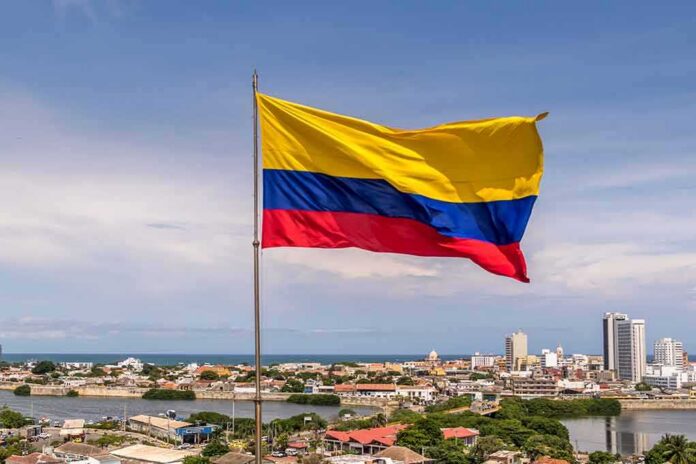
Amid collapsing concrete and dust, rescuers in Cali kept finding life at the ruined Torres del Limonar complex after the August 10 earthquake, proving perseverance still saves souls.
Story Snapshot
- Rescue teams and neighbors dug by hand and tunneled to reach survivors at Torres del Limonar.
- Volunteers delivered food and logistics support around the site to keep operations moving.
- At least two people were detected alive as tunnels advanced; multiple survivors were pulled out.
- Early counts varied as crews balanced listening, tunneling, and safety during a shifting operation.
Rescuers Race The Clock In Cali Rubble
Reuters video from Cali shows firefighters, trained crews, and neighbors racing to pull survivors from the Torres del Limonar rubble after the August 10 quake. Teams paused to call for silence so they could hear voices. Others cut hand tunnels to reach voids. The scene showed stretchers, cranes on standby, and lines of volunteers moving supplies. The focus stayed on life safety, with careful debris removal before heavy machines moved in.
BBC reporting from the site quoted a rescuer who said at least two people were detected alive as teams advanced tunnels to reach them. That account matched other field observations and video that captured cheers as survivors emerged and ambulances sped away. Crews balanced speed with stability. They used listening gear, canine search, and hand tools to avoid secondary collapse. That method buys time and preserves pockets where trapped people can breathe.
Community Volunteers Sustain The Search
The city of Cali reported that hundreds of volunteers supported the rescue effort with food and logistics at Torres del Limonar and other sites. That support kept crews in the field and reduced turnaround delays. Volunteers organized collection points, moved water and meals, and helped manage perimeters so medics and rescue teams could work. This civilian lift proved vital in the first days, when operations run nonstop and formal supply lines strain under demand.
Wire copy tied these scenes to specific extractions. Rescue workers, civilian volunteers, and local officials gathered outside the destroyed complex. Crowds cheered when a woman came out alive on a stretcher and left in an ambulance. Those moments show how organized teams and community help can work together under pressure. They also signal a living operation, not a recovery, as crews hold out for voices and signs of movement.
Confirmed Saves And Changing Counts
Local reporting identified one survivor, Juan Esteban Rebolledo, who was pulled out alive around 4:00 a.m. after a complex operation using trained staff, search dogs, and specialized tools. After that rescue, responders made visual contact with another woman beneath the rubble, suggesting more lives to reach if tunnels held and airways stayed open. These facts align with field claims of people detected alive during the same window.
The Irish Times stated more than 20 people were rescued from the apartment complex in the first 12 hours by local crews and residents, followed by three more later. In fast-moving disasters, numbers can shift as teams verify identities, track transfers, and separate rescues from recoveries. That pattern is normal in the first 72 hours of a collapse, when information flows from many fronts and command posts focus on saving lives first.
How Crews Work A Live-Collapse Zone
Field teams used a step-by-step approach that is standard for urban collapses. Search leaders mapped safe paths, then cut small entries toward likely survivable voids. Teams paused work to listen for taps or voices. Medics stood by to stabilize survivors at the edge of the debris. Hand tools, shoring, and careful lifts limited new falls. This blend of patience and speed can look slow on camera, but it saves trapped people who might be only feet away.
Colombian brother searches for survivor in earthquake rubble
Efraín Gallego searches for his brother and sister-in-law trapped in a collapsed building in Cali, Colombia, following a magnitude 7.4 earthquake. The Torres del Limonar building is one of over 50 destroyed structures…
— PiQ (@PiQMarkets) August 11, 2026
Reporters on scene described the same approach. A rescuer said tunnels were being made to reach at least two people confirmed alive. Video showed controlled movements and calls for quiet, which can feel agonizing to families but are vital to prevent a fatal shift. As hope rose with each contact, leaders kept rules tight to protect rescuers and victims alike. That discipline holds the line until cranes and heavy tools can safely finish the job.
Why This Matters To Us At Home
America sends help abroad after quakes, and we rely on strong partners when disaster hits our hemisphere. Stories like Cali’s prove that trained teams, clear command, and community grit still save lives. They also remind us why we invest in search-and-rescue skills, radios, and medical stockpiles instead of bloated bureaucracies. Real readiness is local, fast, and hands-on, not buried in paperwork. Lives depend on that common-sense focus when the ground moves.
Limits And What We Still Do Not Know
Some figures from early reports vary across outlets. Different sources list how many were trapped, detected, or rescued. Those shifts reflect ongoing verification, not a dispute over whether rescues happened. Formal incident logs, extraction rosters, and hospital intake records would confirm timelines and totals. Until those are released, the verified facts stand: crews kept finding life, volunteers kept them supplied, and multiple people made it out alive from Torres del Limonar.
Sources:
instagram.com, bbc.com, irishtimes.com, youtube.com, yahoo.com